
Notice: Function _load_textdomain_just_in_time was called incorrectly. Translation loading for the acf domain was triggered too early. This is usually an indicator for some code in the plugin or theme running too early. Translations should be loaded at the init action or later. Please see Debugging in WordPress for more information. (This message was added in version 6.7.0.) in /home/precisio/public_html/wp-includes/functions.php on line 6121
Trigeminal Neuralgia & Hemifacial Spasm Treatment Singapore

Trigeminal Neuralgia and Hemifacial Spasm: Comprehensive Treatment Guide

Living with facial pain or involuntary muscle spasms can be debilitating, affecting daily life, from eating and speaking to social interactions. Trigeminal neuralgia and hemifacial spasm are distinct neurological conditions that affect the facial nerves, causing significant discomfort and distress.

These conditions involve dysfunction of cranial nerves (the nerves that connect the brain directly to various parts of the head and face) and can impact quality of life.

Neurosurgery offers multiple treatment options for both conditions, ranging from medications to minimally invasive procedures and surgical interventions. Understanding these conditions and the available treatments is an important first step towardrelief and returning to normal daily activities.

doctor img
Dr Teo Kejia (张哿佳医生)

MBBS (SG) MRCS (Edin) IFAANS FAMS (Neuro Surg) FRCS Ed (Neuro Surg)

Trigeminal Neuralgia and Hemifacial Spasm d

What are Trigeminal Neuralgia and Hemifacial Spasm?

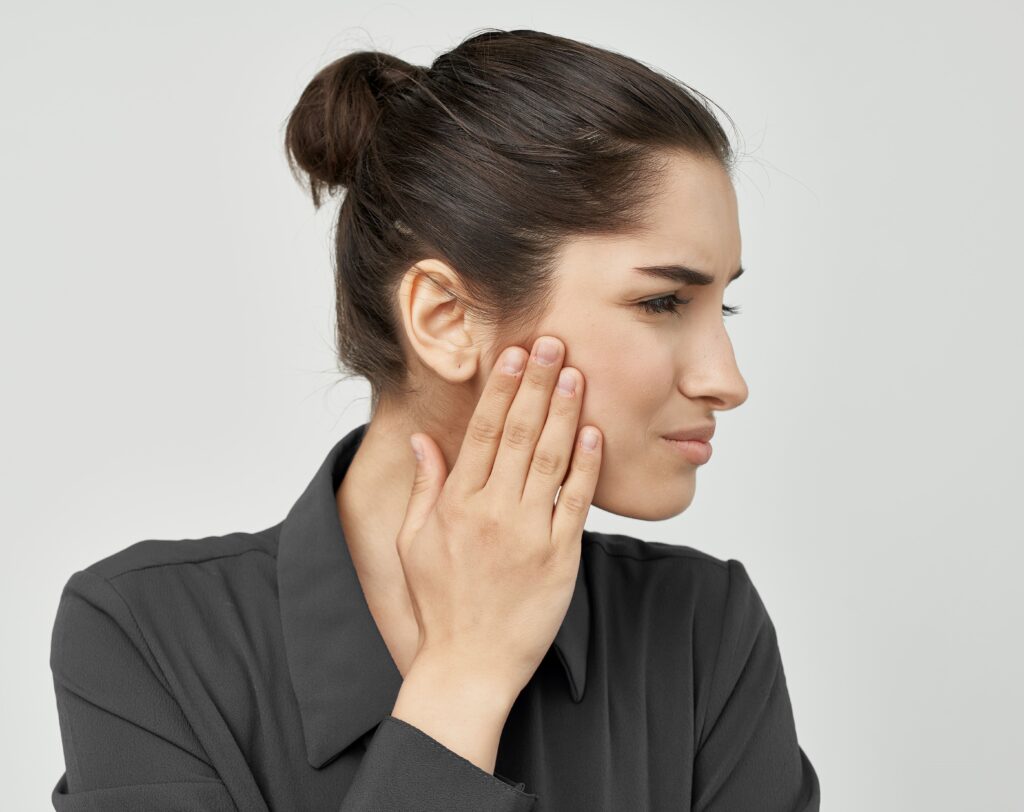
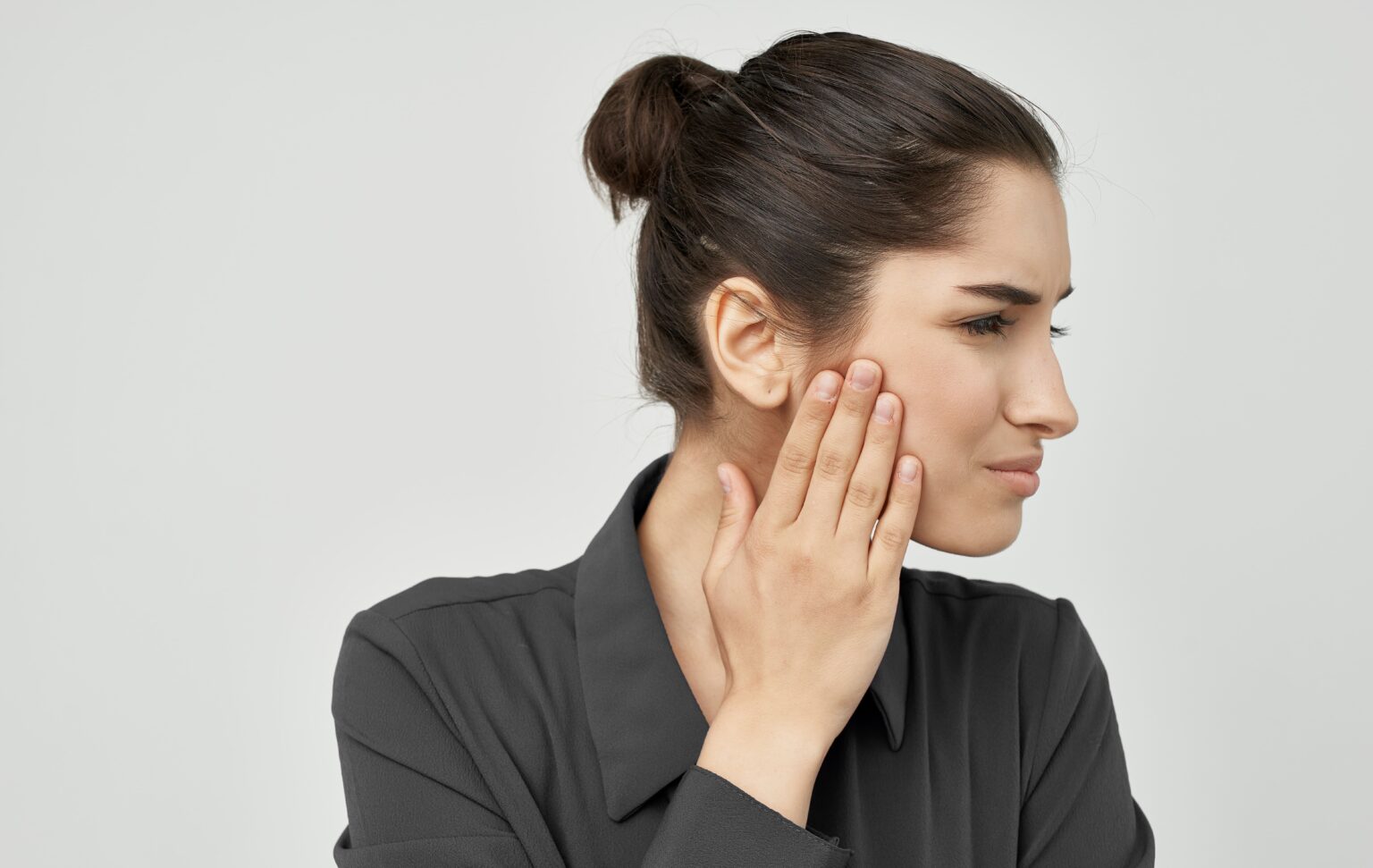
Trigeminal neuralgia (TN) is a chronic pain condition affecting the trigeminal nerve, which carries sensory signals from the face to the brain. It may cause sudden, severe, burning or shock-like facial pain. Episodes can last from seconds to minutes and usually affect one side of the face. Pain may be triggered by everyday activities, such as brushing teeth, chewing, or applying makeup.

Hemifacial spasm (HFS) is a neurological condition characterised by involuntary contractions of the muscles on one side of the face. These spasms often begin around the eye and may gradually spread to involve the entire half of the face. Unlike trigeminal neuralgia, which primarily causes pain, hemifacial spasm results in muscle twitching that can interfere with vision, speech, and facial expressions.

Both conditions are relatively uncommon. Hemifacial spasm is considered a rare condition and may affect individuals across different age groups and populations.


Types and Classifications

Trigeminal Neuralgia Types
Classical Trigeminal Neuralgia

This occurs when a blood vessel compresses the trigeminal nerve (the largest cranial nerve responsible for facial sensation) near the brainstem. Ongoing compression may cause damage to the nerve’s protective covering, known as the myelin sheath. This disruption can result in abnormal nerve signalling, which may lead to episodes of acute pain.

Secondary Trigeminal Neuralgia

This type results from an underlying medical condition. Possible causes include multiple sclerosis, tumours, or arteriovenous malformation ( tangles of abnormal blood vessels). Damage to the trigeminal nerve from these conditions may produce similar pain patterns but often requires different diagnostic evaluation and treatment approaches.

Idiopathic Trigeminal Neuralgia

When no clear cause is identified through imaging or clinical testing, the condition is classified as idiopathic (of unknown cause). Management focuses on symptom control and ongoing assessment.

Hemifacial Spasm Classifications
Primary Hemifacial Spasm

Primary Hemifacial Spasm is typically caused by vascular compression of the facial nerve (the nerve responsible for facial movement) at its exit from the brainstem. Pressure from a nearby blood vessel, often an artery, may trigger abnormal nerve activity, leading to involuntary facial muscle contractions.

Secondary Hemifacial Spasm

Secondary Hemifacial Spasm results from identifiable lesions, such as tumours, cysts, or vascular malformations affecting the facial nerve pathway. Management may involve addressing the underlying condition in addition to symptom control.

Causes of Trigeminal Neuralgia

  • Vascular compression at the nerve root (when an artery or vein presses against the trigeminal nerve)
  • Demyelinating diseases, such as multiple sclerosis (conditions that damage the protective coating around nerves)
  • Brain tumours or cysts compressing the nerve (abnormal growths that put pressure on the trigeminal nerve)
  • Arteriovenous malformations (abnormal tangles of blood vessels that may press on nearby nerves)
  • Facial trauma affecting nerve pathways (injury to the face that damages the trigeminal nerve)
  • Post-herpetic neuralgia following shingles (persistent nerve pain after a viral infection that can affect facial nerves)

Causes of Hemifacial Spasm

  • Vascular loop compression of the facial nerve (when a blood vessel presses against the nerve controlling facial muscles)
  • Bell’s palsy recovery complications (persistent nerve irritation following temporary facial paralysis)
  • Facial nerve injury or trauma (damage to the nerve due to accidents or surgical procedures)
  • Brainstem lesions or tumours (abnormal tissue or growths in the area where the facial nerve originates)
  • Vascular abnormalities near the facial nerve (unusual blood vessel formations that may irritate the nerve)
<br />
<b>Notice</b>:  Undefined index: title in <b>/home/precisio/public_html/wp-content/themes/precision-neurosurgery/gutenberg-blocks/repeater-side-by-side-image-content/template.php</b> on line <b>13</b><br />
“>
                                                                                </div>
                    </div>
                                                    <div class=

Risk Factors

  • Increasing age, as both conditions are more commonly seen in older adults
  • Female gender, as these conditions may occur more frequently in women
  • Hypertension (high blood pressure, which may contribute to blood vessel changes affecting nerves)
  • Family history of cranial nerve disorders
  • Previous facial trauma or surgery
  • Certain genetic predispositions, particularly in hemifacial spasm

Signs & Symptoms

Trigeminal Neuralgia Symptoms
During Pain Episodes
  • Sudden, severe, shock-like or stabbing pain on one side of the face
  • Pain lasting from seconds to a couple of minutes per episode
  • Multiple attacks occurring throughout the day
  • Pain triggered by light touch, chewing, speaking, or exposure to cold air
  • Pain following the distribution of the trigeminal nerve branches (the three main nerve pathways that provide sensation to different areas of the face)
Between Episodes
  • Complete absence of pain in classical cases
  • Weight loss due to difficulty eating

The pain typically follows specific patterns along the branches of the trigeminal nerve and commonly affects the jaw, cheek, or forehead regions.

Hemifacial Spasm Symptoms
During Spasms
  • Involuntary twitching that often starts around the eye
  • Progressive involvement of the cheek and mouth muscles
  • Forced eye closure during more severe spasms
  • Pulling of the mouth to one side
  • Difficulty with vision when eye muscles are affected
Between Spasms
  • Facial muscle fatigue
  • Mild weakness on the affected side of the face
  • Sleep disturbances caused by spasms occurring during sleep

Spasms may persist during sleep, a feature that helps distinguish hemifacial spasm from other facial movement disorders.

Experiencing these symptoms? A comprehensive diagnosis is the first step towards finding relief.

Schedule a consultation with our neurosurgeon to review ur symptoms and discuss personalised treatment options.

<br />
<b>Notice</b>:  Undefined index: title in <b>/home/precisio/public_html/wp-content/themes/precision-neurosurgery/gutenberg-blocks/repeater-side-by-side-image-content/template.php</b> on line <b>13</b><br />
“>
                                                                                </div>
                    </div>
                                                    <div class=

When to See a Doctor

Seek prompt medical attention if sudden, severe facial pain or uncontrollable facial spasms interfere with daily activities. Early consultation is important if pain or spasms progressively worsen, affecting eating or speaking, or become difficult to manage.

Red flag symptoms that require urgent evaluation include:

  • Facial numbness or weakness beyond the spasms
  • Hearing loss
  • Difficulty swallowing
  • Pain that doesn’t respond to over-the-counter medications

These signs may indicate more serious underlying conditions that need immediate investigation.

During your first consultation, our neurosurgeon will conduct a detailed neurological examination, review your medical history, and discuss symptom patterns and triggers. Questions may cover pain characteristics, timing, and actors that worsen or relieve symptoms. Imaging studies, such as MRI or CT scans, may be recommended to identify the underlying cause.

Early diagnosis and intervention can support better treatment outcomes. Appropriate management may also improve the quality of life for patients living with chronic pain or visible facial spasms. Identifying the cause is a critical step toward personalised treatment options.

Diagnosis & Testing Methods

  • Clinical Evaluation: The diagnostic process begins with a comprehensive neurological examination, which assesses facial sensation, muscle function, and reflexes. For trigeminal neuralgia, the healthcare professional maps the distribution of pain, while for hemifacial spasm, spasm patterns are observed. This assessment helps guide the initial diagnosis.

  • Magnetic Resonance Imaging (MRI): High-resolution MRI may be performed to visualise nerve compression. This imaging test uses magnetic fields and radio waves to produce detailed images. Special sequences, such as FIESTA or CISS, can show the relationship between blood vessels and cranial nerves, helping detect potential causes of nerve irritation or compression.

  • MR Angiography: MR Angiography provides detailed images of blood vessels around the cranial nerves without invasive procedures. It can detect vascular loops or other abnormal vessels that may press on nerves.

  • Electromyography (EMG): For hemifacial spasm, EMG records abnormal muscle activity to distinguish it from other movement disorders. Small electrodes (sensors) placed on facial muscles detect electrical signals of muscle spasms. 

Treatment Options Overview

Medical Management

Initial treatment usually begins with medications. For trigeminal neuralgia, anticonvulsants such as carbamazepine or oxcarbazepine may help stabilise nerve membranes and reduce abnormal electrical activity. Doses are carefully adjusted, and regular blood monitoring is required. Additional medications like baclofen or gabapentin may be considered if the response is incomplete. While many patients respond well initially, effectiveness can decrease over time.

Botulinum Toxin Injections

For hemifacial spasm, botulinum toxin injections are a common treatment. The neurotoxin temporarily weakens the affected facial muscles, reducing spasms for several months. Injections are performed in the clinic using fine needles at specific muscle sites. Some patients notice improvement within days to weeks. Repeat treatments are typically needed to maintain benefits, with many achieving long-term control.

Percutaneous Procedures

These minimally invasive techniques target the trigeminal nerve through a small needle inserted via the cheek. Options include:

  • Glycerol injection ( uses a chemical to reduce nerve signals)
  • Balloon compression ( gently presses the nerve with a small balloon)
  • Radiofrequency thermocoagulation (uses heat to interrupt pain signals)

These procedures are performed under sedation and usually require only a day of hospitalisation. Pain relief can be effective, though recurrence rates vary. The choice of procedure depends on individual patient factors and pain distribution.

Gamma Knife Radiosurgery

Gamma Knife is a non-invasive procedure using focused radiation beams to target the trigeminal and facial nerve, aiming to reduce abnormal nerve signals without open surgery. Local anaesthesia is used for frame placement, and the procedure typically takes several hours. Pain relief for trigeminal neuralgia develops gradually over weeks to months. Recurrence rates are lower than with percutaneous procedures, and treatment can be repeated if necessary.

Microvascular Decompression Surgery

This surgical treatment addresses the underlying cause by separating the compressing blood vessel from the affected nerve. Through a small opening behind the ear, a cushion is placed between the vessel and nerve, providing long-term relief without causing facial numbness. Hospitalisation usually lasts several days. While more invasive than other options, it can offer durable relief for suitable candidates.

Peripheral Nerve Procedures

In select cases, procedures targeting peripheral nerve branches may be considered:

  • Neurectomy (cutting small nerve branches to stop pain signals)
  • Nerve blocks (injections that temporarily interrupt nerve signals)

These options are less commonly performed but may benefit patients who cannot undergo other treatments or require temporary relief while awaiting definitive procedures.

Every patient’s condition is unique.

Consult our neurosurgeon to explore personalised treatment options designed to address your specific symptoms, health needs, and lifestyle goals.

Complications if Left Untreated

Without proper treatment, trigeminal neuralgia can lead to significant physical challenges. Fear of triggering pain attacks may cause food intake, resulting in weight loss and nutritional deficiencies. Difficulty maintaining oral hygiene can occur when brushing triggers pain.

Depression and anxiety may develop in some patients. Social isolation can occur as patients may withdraw from activities to avoid pain triggers. Some patients may develop medication dependency from self-treating with increasing doses of painkillers that may provide limited relief for nerve-related pain.

Hemifacial spasm, although not typically painful, can cause progressive facial muscle weakness and muscle wasting if untreated. Vision problems may be affected as spasms force the eye to close more frequently and forcefully. Over time, repeated muscle contractions may lead to facial asymmetry and contractures (permanent tightening of muscles).

Both conditions can affect work productivity and daily functioning. Nighttime symptoms may disrupt sleep, compounding physical difficulties. Timely treatment is important to prevent these complications and maintain quality of life.

Prevention

While these conditions cannot always be prevented, certain measures may help reduce risk or prevent worsening symptoms. Maintaining good cardiovascular health through regular exercise and blood pressure control may help reduce the risk of vascular compression (when blood vessels press against nerves). A diet rich in B vitamins may support nerve health and function.

Regular dental care may help prevent infections that could trigger or worsen trigeminal neuralgia. Protecting the face from cold wind and temperature extremes may help some patients avoid pain triggers.

For those with diagnosed conditions, adhering to prescribed medications and treatment schedules may help prevent symptom progression. Avoiding known triggers while maintaining normal activities as much as possible may help preserve quality of life. Regular follow-up appointments allow our doctor to adjust treatment before symptoms worsen.

Genetic counselling may benefit those with a family history of these conditions. Workplace modifications to accommodate treatment needs may support long-term management.

ask us anything

Frequently Asked Questions

Can trigeminal neuralgia and hemifacial spasm occur together?

While rare, some patients may experience both conditions. This can happen when the same blood vessel compresses adjacent cranial nerves (the nerves that control sensation and movement in the face). This is called painful tic convulsif and requires careful evaluation. Treatment may involve addressing both nerve compressions, often through microvascular decompression surgery, where the neurosurgeon carefully moves the blood vessel away from the compressed nerves. Detailed imaging is used to plan the surgical approach, and outcomes for simultaneous treatment can be favourable when both nerves are addressed.

How long does recovery take after microvascular decompression surgery?

Initial hospital recovery usually takes several days. Pain relief for trigeminal neuralgia often occurs during this period. Complete healing of the surgical site may take several weeks. Patients can typically return to light activities within a couple of weeks and resume normal activities in several more. Some temporary symptoms, such as mild headache, fatigue, or dizziness, may persist for a few weeks. Most patients achieve full benefit within a few months. Regular follow-up appointments help monitor healing and address any concerns.

Are these conditions hereditary?

Most cases of trigeminal neuralgia and hemifacial spasm are not hereditary. They usually occur spontaneously due to vascular compression or other acquired causes. However, rare familial cases have been reported, suggesting possible genetic susceptibility in some families. If multiple family members are affected, genetic consultation may be helpful. Research is ongoing to investigate genetic factors that might predispose to vascular compression syndromes.

What is the success rate of botulinum toxin for hemifacial spasm?

Botulinum toxin injections can reduce spasms in patients with hemifacial spasm. Improvement may be noticed within a couple of weeks after treatment, with effects lasting several months. The treatment can be repeated for continued benefit. Some patients may develop resistance after many years of treatment, though this is uncommon. Side effects are generally mild and temporary, such as slight facial weakness or drooping that typically resolves within weeks.

Can lifestyle changes help manage these conditions?

Lifestyle modifications can support symptom management. Dietary changes, such as eating softer foods during flares, may help prevent trigeminal neuralgia from triggering pain. Limiting caffeine and alcohol may also help manage hemifacial spasm. While lifestyle changes alone rarely eliminate symptoms, they complement medical treatment and support overall daily function.

Is surgery always necessary for these conditions?

Surgery is not always required. Many patients achieve good symptom control with conservative treatments. Trigeminal neuralgia responds to medications initially, though some patients eventually need procedural interventions. Botulinum toxin provides long-term management for hemifacial spasm in many cases. Surgery is usually considered when medical treatments fail, cause intolerable side effects, or when patients prefer a potentially permanent solution. Our neurosurgeon can determine the most appropriate approach based on symptom severity, treatment response, overall health and patient preferences.

What happens if the condition returns after treatment?

Recurrence is possible with any treatment. Medical therapy may lose effectiveness over time, requiring dose adjustments or medication changes. Botulinum toxin treatments can be repeated. After procedures such as glycerol injection or balloon compression, repeat treatments are possible if symptoms return. Even after microvascular decompression, some patients may experience symptom recurrence. Our neurosurgeon can discuss re-treatment options based on the initial treatment type and individual circumstances.

Can these conditions affect both sides of the face?

Bilateral involvement (affecting both sides of the face) is uncommon but possible. When it occurs, it’s usually not simultaneous; one side may develop symptoms months or years after the other. Bilateral trigeminal neuralgia may indicate underlying conditions such as multiple sclerosis (an autoimmune disease damaging the brain, spinal cord, and optic nerves ) and requires thorough investigation. Bilateral hemifacial spasm is extremely rare and may suggest another neurological condition. Treatment plans must carefully address both sides while minimising complications.

Conclusion

Trigeminal neuralgia and hemifacial spasm are complex neurological conditions, but effective management is possible with appropriate neurosurgical care. A range of treatment options is available, from medication-based therapy to minimally invasive procedures and surgical interventions. Comprehensive treatment begins with a diagnosis and an individualised assessment, followed by a detailed discussion with our neurosurgeon to determine the most suitable approach.

Advances in imaging and surgical techniques continue to improve outcomes for both conditions. Depending on symptom severity, overall health, and personal treatment goals, patients may achieve meaningful symptom control through medication, targeted procedures, or surgery.

With timely diagnosis and appropriate treatment, many patients are able to regain function, reduce symptoms, and return to daily activities with improved comfort and quality of life.

Take the First Step Towards Better Health

Living with trigeminal neuralgia or hemifacial spasm can be challenging, but you don’t have to face it alone. Consult our Senior Consultant Neurosurgeon to discuss diagnostic and treatment options for facial nerve disorders using evidence-based approaches.

doctor desktop w alpha doctor mobile w alpha

Dr Teo Kejia (张哿佳医生)

MBBS (SG)MRCS (Edin)FAMSFRCS EdIFAANS

Dr Teo Kejia is a Senior Consultant Neurosurgeon and Medical Director at Precision Neurosurgery, with more than 15 years of clinical experience.

Dr Teo has extensive knowledge and experience in the field of neurosurgery, with a particular focus on complex brain tumour procedures. He is adept in employing advanced surgical techniques, including brain mapping and awake brain surgery, especially for treating gliomas and glioblastomas. His expertise extends to neuro-oncology, encompassing both brain and spinal tumours, as well as neurovascular and skull base surgery.

Additionally, Dr Teo offers treatment for a range of neurological conditions, such as traumatic head injuries, intracerebral aneurysms, and degenerative spine disorders, which include neck and back pain. He is also proficient in managing ischemic and haemorrhagic strokes, hydrocephalus, trigeminal neuralgia, and hemifacial spasm.

Billing & insurance

Corporate & Personal Insurance Plans

For Singaporeans, Singapore Permanent Residents and Foreigners.
Please speak to our friendly clinic staff about using your insurance plans.

Make an Enquiry

Have a question or need more information? Please fill in the form below, and our team will assist you.

    Full Name*

    Email Address*

    Phone Number*

    Your Message*

    For Faster Response, Call us!

    +65‎ 6956‎ 6588