Navigating Brain Tumour Treatment in Singapore – How to Choose the Right Brain Surgeon
Our brains are at the core of everything we do—our thoughts, memories, movements, and even our emo
acf domain was triggered too early. This is usually an indicator for some code in the plugin or theme running too early. Translations should be loaded at the init action or later. Please see Debugging in WordPress for more information. (This message was added in version 6.7.0.) in /home/precisio/public_html/wp-includes/functions.php on line 6121
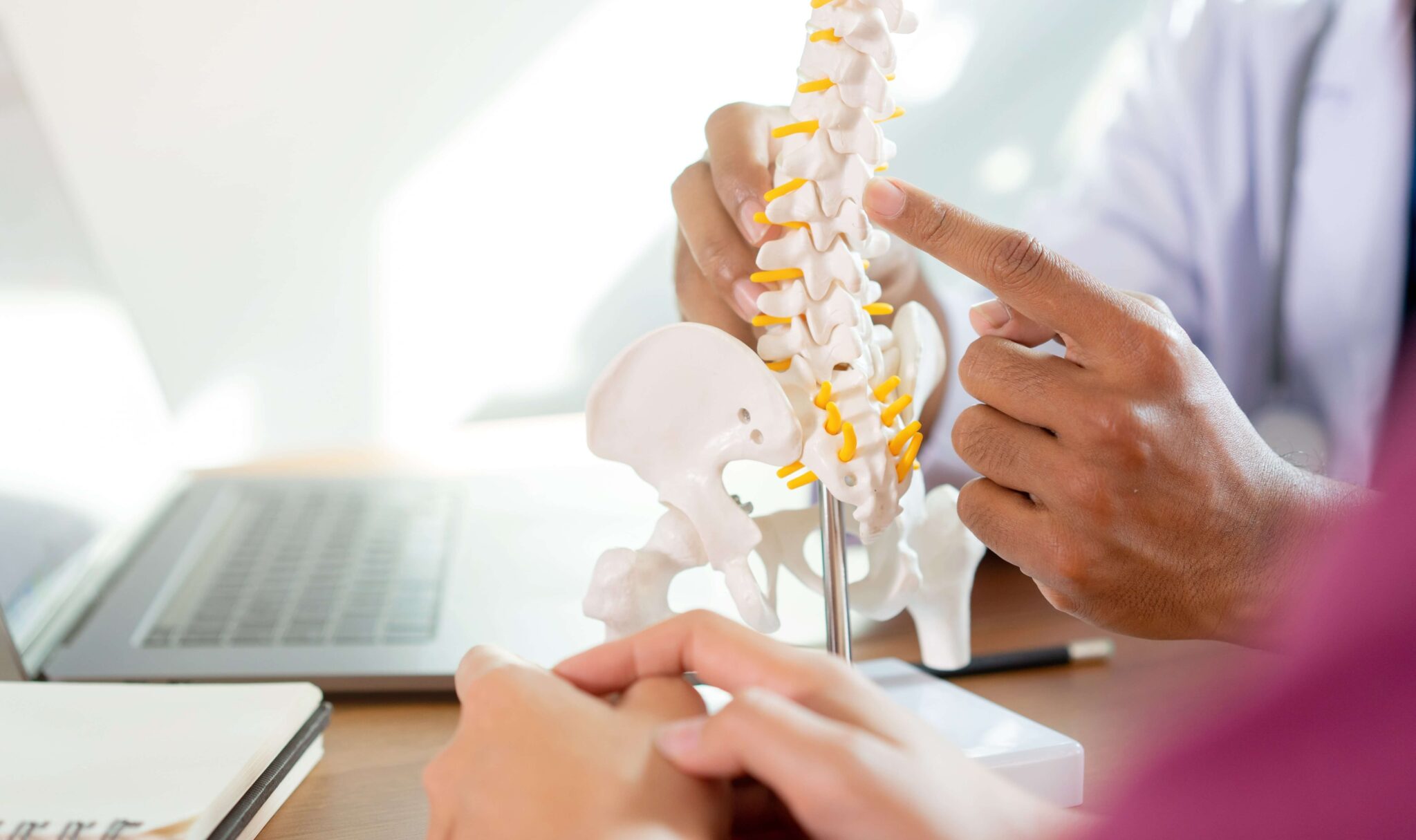
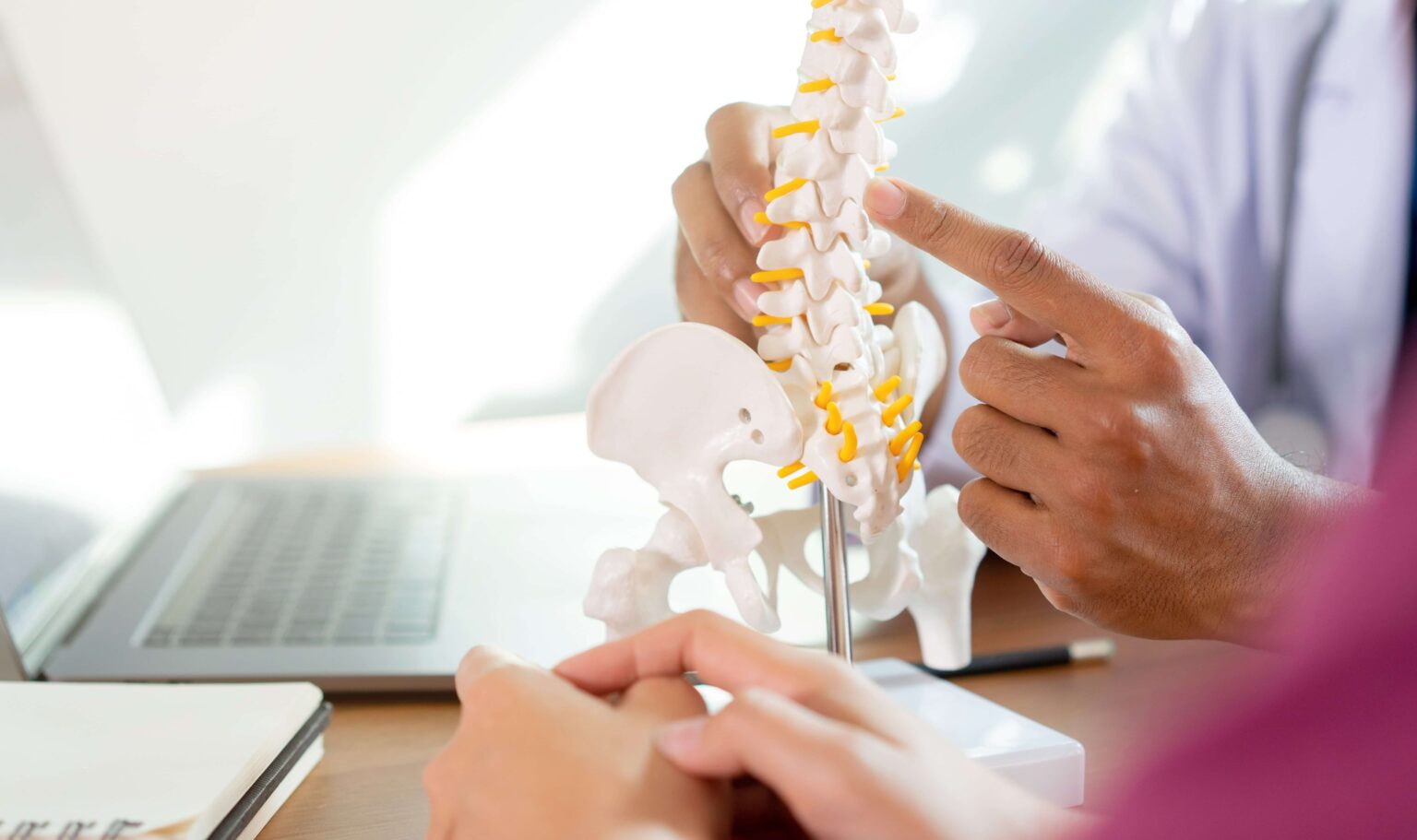
Degenerative spine conditions refer to disorders that occur when there is a gradual deterioration of the spine, commonly due to wear and tear. Furthermore, degenerative spine conditions encompass conditions that affect the intervertebral discs, facet joints, and other spinal structures. These conditions can be debilitating, impacting mobility, comfort, and overall quality of life. Some common degenerative spine conditions include:
While some discomfort may be manageable with conservative measures such as physical therapy and medication, certain symptoms may signal the need for specialised intervention.

Recognising these red flags is crucial for timely diagnosis and appropriate management. Here are key indicators that should prompt a visit to a neurosurgical specialist.
Chronic back or neck pain that persists despite conservative treatments such as rest, physical therapy, and anti-inflammatory medications warrants evaluation by a neurosurgeon. Pain that radiates into the arms or legs, especially if accompanied by numbness, tingling, or weakness, may indicate nerve compression or spinal cord involvement requiring further assessment if
If you experience difficulty walking, frequent stumbling during quick movements, or loss of balance, it could indicate spinal cord compression affecting motor function. Neurological symptoms such as weakness or clumsiness in the arms or legs may also be present, suggesting nerve impingement requiring neurosurgical evaluation.
Gradual onset or progressive numbness, weakness, or loss of sensation in the arms, hands, legs, or feet may be indicative of nerve compression or spinal cord injury. These symptoms should be thoroughly assessed by a neurosurgeon to determine the underlying cause and appropriate treatment plan.

Excess body weight places additional strain on the spine, increasing the risk of disc degeneration and other spinal conditions. Maintaining a healthy weight through a balanced diet and regular exercise can help alleviate pressure on the spine and reduce the risk of developing degenerative spine conditions.
Regular physical activity is essential for keeping the muscles surrounding the spine strong and flexible. Incorporate low-impact exercises such as walking, swimming, yoga, or Pilates into your routine to improve spinal stability, flexibility, and overall health.
Drinking an adequate amount of water helps keep the intervertebral discs hydrated and healthy. Dehydration can contribute to disc degeneration and increase the risk of developing spinal conditions. Aim to drink plenty of water throughout the day to maintain optimal spinal health.
Smoking is a significant risk factor for degenerative spine conditions as it contributes to reduced blood flow to the spinal discs, accelerates disc degeneration, and impairs the body’s ability to heal. Nicotine and other harmful chemicals in cigarettes can weaken spinal tissues, increase inflammation, and exacerbate spine-related pain. Quitting smoking is helpful to preserve spinal health and reduce the risk of developing degenerative spine conditions.
Having the correct posture can help decrease the progress of developing degenerative spine conditions. Poor posture adds pressure to the spinal discs, joints and muscles, leading to further wear and tear. For instance, when lifting heavy objects, use proper lifting techniques to avoid straining the spine. Bend at the knees, keep your back straight, and lift with your legs rather than your back. Avoid twisting your spine while lifting and carry heavy loads close to your body to reduce strain.
Although facing degenerative spine conditions is part of the natural ageing process, you need not face these conditions alone. Here at Precision Neurosurgery, we offer a wide range of services — consultations and treatments — that encompasses different conditions that involve the brain, nerves and certain spinal diseases so that you may be en route to recovery.
If you or a loved one is experiencing back and neck pains that hinders with daily activities, don’t hesitate to reach out to us here. Early detection can help prevent further deterioration with the appropriate treatment plans.
Consult with Dr Teo for a comprehensive evaluation and a personalised treatment plan.


Dr Teo Kejia is a Senior Consultant Neurosurgeon and Medical Director at Precision Neurosurgery, with more than 15 years of clinical experience.
Dr Teo has extensive knowledge and experience in the field of neurosurgery, with a particular focus on complex brain tumour procedures. He is adept in employing advanced surgical techniques, including brain mapping and awake brain surgery, especially for treating gliomas and glioblastomas. His expertise extends to neuro-oncology, encompassing both brain and spinal tumours, as well as neurovascular and skull base surgery.
Additionally, Dr Teo offers treatment for a range of neurological conditions, such as traumatic head injuries, intracerebral aneurysms, and degenerative spine disorders, which include neck and back pain. He is also proficient in managing ischemic and haemorrhagic strokes, hydrocephalus, trigeminal neuralgia, and hemifacial spasm.
Have a question or need more information? Please fill in the form below, and our team will assist you.
Our brains are at the core of everything we do—our thoughts, memories, movements, and even our emo
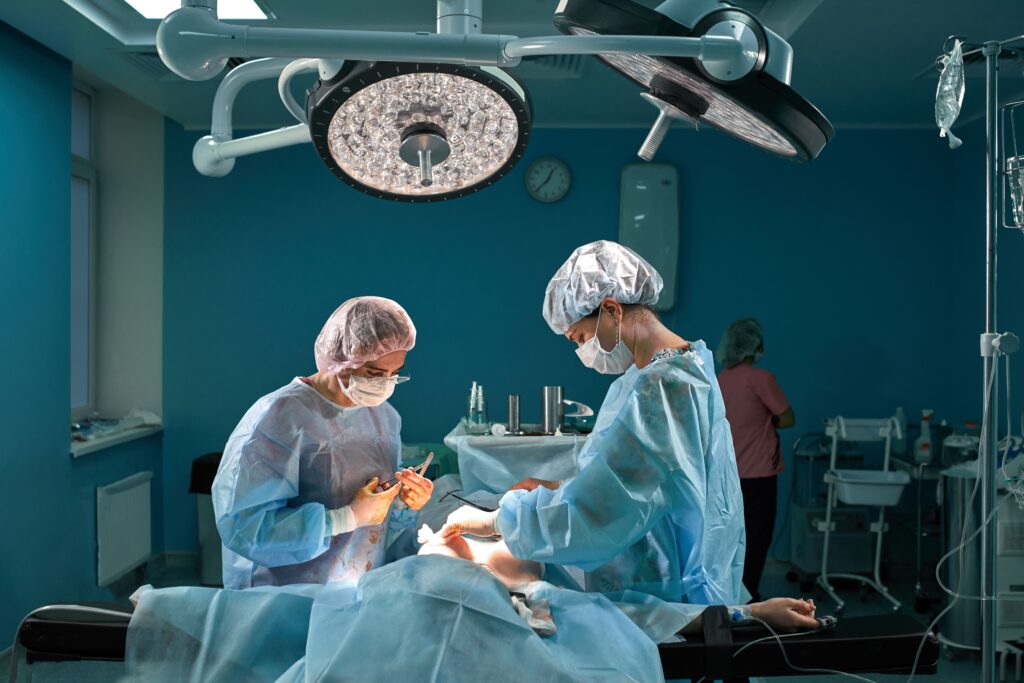
Beyond conventional surgical treatments, awake brain surgery presents the intersection of precision,
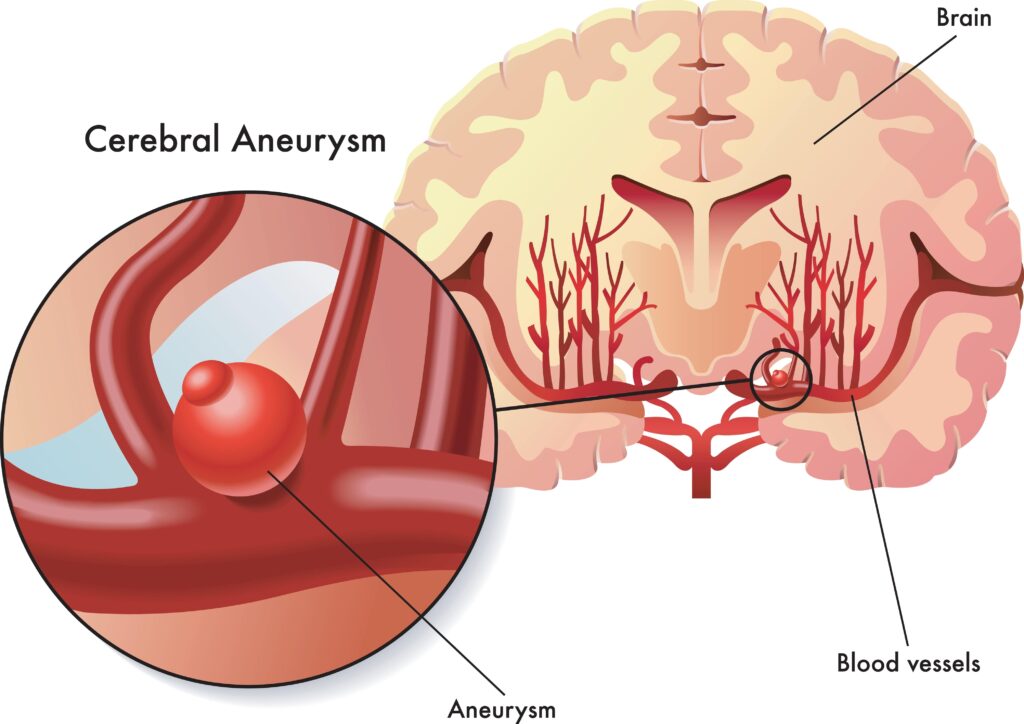
Brain aneurysms can severely impact lifestyle and is best to be treated at the earliest sign. There
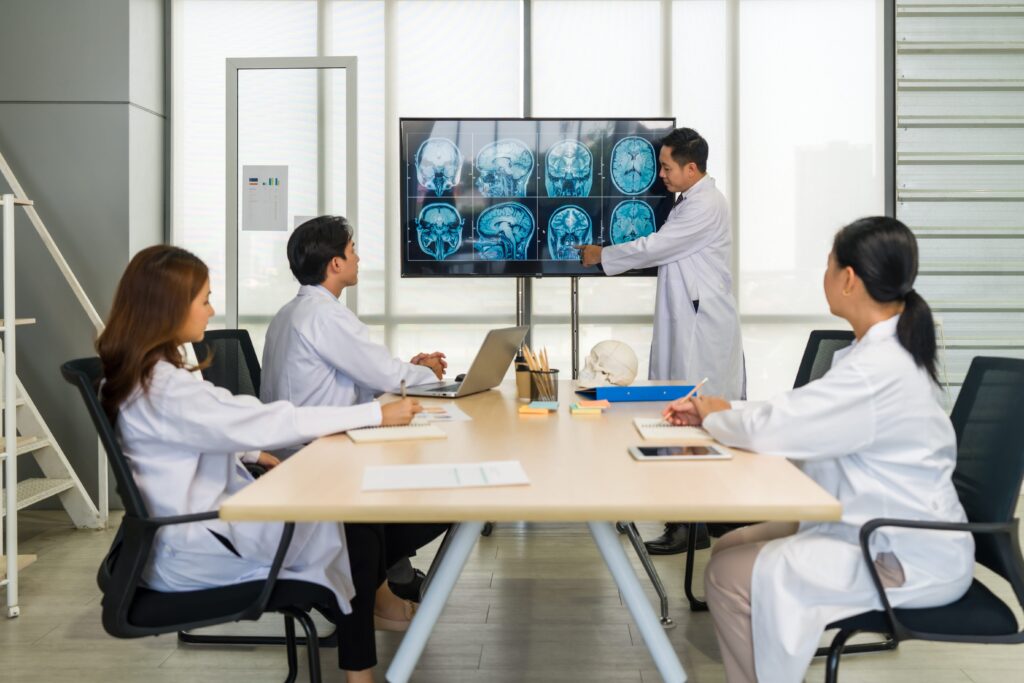
Living with a brain tumour can be a daunting journey filled with uncertainty and questions. From und

While occasional headaches are common and often not a cause for concern, frequent headaches accompan

Head injuries, commonly referred to as traumatic brain injuries (TBI), refer to a traumatic experien
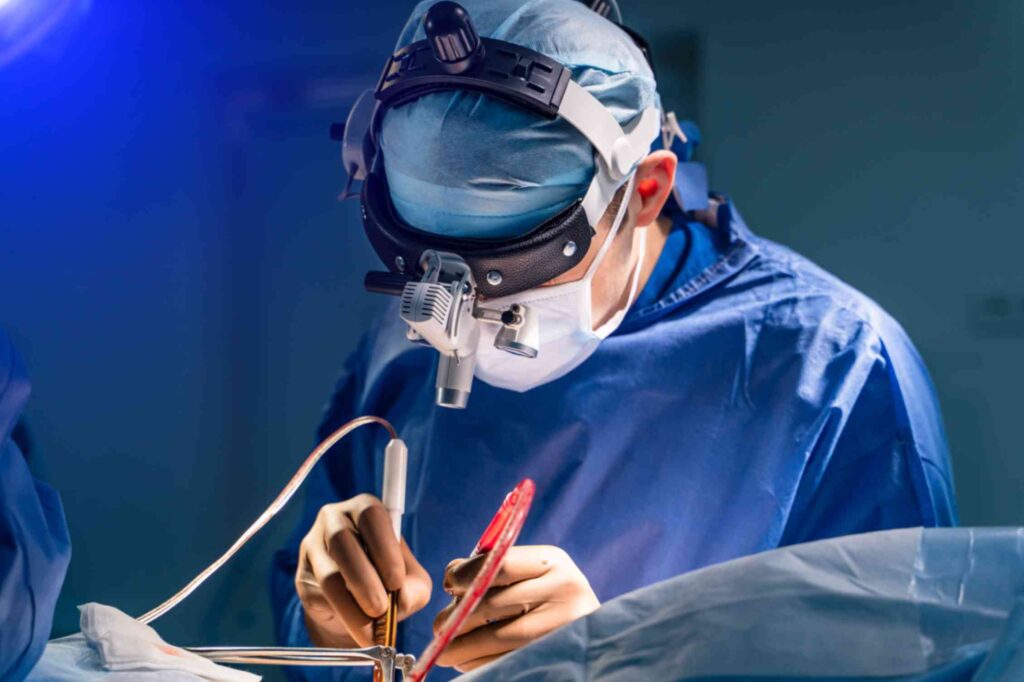
Neurological irregularities can impact your life subtly and can be easily shrugged off as tiredness