

Spine Tumours: Comprehensive Treatment at Precision Neurosurgery Singapore

Discovering a spine tumour can be concerning. These growths in or around the spinal column require specialised expertise for accurate diagnosis and management. At Precision Neurosurgery, our neurosurgeon has experience in evaluating spine tumours using modern diagnostic techniques.

Spine tumours can affect quality of life if left untreated. Modern neurosurgical techniques provide a range of treatment options, which may be suitable depending on the patient’s specific tumour type, location, size, and overall health. Early detection and timely intervention may help improve outcomes and quality of life.

doctor img
Dr Teo Kejia (张哿佳医生)

MBBS (SG) MRCS (Edin) FAMS (Neuro Surg) FRCS Ed (Neuro Surg) IFAANS

Spine Tumours Spine Tumour Specialist In Singapore

What is a Spine Tumour?

A spine tumour is an abnormal growth of cells within or surrounding the spinal cord and vertebral column (the stack of bones that make up the spine). These masses can develop in the bones of the spine (vertebrae), within the spinal cord itself, or in the protective membranes covering the spinal cord. Spine tumours may be benign (non-cancerous, meaning they don’t spread to other parts of the body) or malignant (cancerous, meaning they can spread and invade other tissues). Each type requires different treatment approaches.

The spine’s complex anatomy means tumours can affect various structures, including nerve roots (which branch out from the spinal cord to other parts of the body), blood vessels, and surrounding soft tissues. Spine tumours are part of the group of central nervous system tumours (tumours affecting the brain and spinal cord). They can occur at any age, although certain types are more common in specific age groups. Understanding the nature and location of a spine tumour is important in planning appropriate management.

Types of Spine Tumours

Spine tumours are classified by location and origin. This classification can influence treatment decisions and prognosis.

Primary Spine Tumours

Primary tumours originate within the spine itself. They are less common than metastatic tumours, which spread from cancers elsewhere in the body. Benign primary tumours include osteoid osteomas, giant cell tumours, and haemangiomas. These usually grow slowly, and intervention may be considered if they cause symptoms. Malignant primary tumours such as chordomas, chondrosarcomas, and osteosarcomas may grow more aggressively, and timely management may be required depending on the individual case.

Metastatic (Secondary) Spine Tumours

Metastatic tumours affect the spine but originate from cancers elsewhere in the body. Common primary sources include lung, breast, prostate, kidney, and thyroid cancers. These tumours often involve the vertebral bodies (the main weight-bearing sections of the spine) and can lead to compression fractures or spinal instability. The thoracic spine (mid-back) is the most commonly affected region, followed by the lumbar (lower back) and cervical (neck) regions.

Intradural Tumours

Intradural tumours develop within the protective covering of the spinal cord, called the dura mater (a tough membrane surrounding the spinal cord). These are further divided into:

  • Intramedullary tumours: Grow within the spinal cord tissue itself, such as astrocytomas and ependymomas.
  • Extramedullary tumours: Grow outside the spinal cord but within the protective covering, including meningiomas and nerve sheath tumours.

Each subtype has distinct characteristics, which may influence assessment and treatment planning.

Causes

The exact cause of most primary spine tumours remains unknown. Genetic mutations, which are changes in DNA that may lead to abnormal cell growth, can contribute to tumour development. Some tumours arise from embryonic tissue remnants —tissues left over from development before birth that usually do not form into normal structures.

Metastatic spine tumours occur when cancer cells spread from primary cancer sites elsewhere in the body through the bloodstream or lymphatic system. The lymphatic system is the body’s network of vessels and organs that help fight infection.

Risk Factors

  • A previous history of cancer, which may increase the risk of metastatic spine tumours
  • Genetic conditions such as neurofibromatosis (a condition causing tumours to grow on nerves) and Von Hippel-Lindau disease (an inherited disorder that can cause tumours and cysts in various organs)
  • A family history of spine tumours or specific genetic syndromes
  • Previous radiation exposure to the spine
  • A weakened immune system due to disease or medications
  • Age, with certain tumour types more common in specific age groups
  • Gender, as some tumour types may occur more frequently in males and females

Signs & Symptoms

Early Stage
  • Persistent back pain that doesn’t improve with rest
  • Pain that worsens at night or in the early morning
  • Localised tenderness over the affected spine area
  • Mild weakness or numbness in the arms or legs (e.g., tingling sensations, or reduced strength when gripping objects or walking)
  • Changes in posture or spinal alignment
Advanced Stage
  • Severe, persistent pain radiating to the arms or legs
  • Progressive muscle weakness affecting mobility (e.g., difficulty lifting objects, climbing stairs, maintaining balance)
  • Loss of sensation below the level of the tumour
  • Difficulty with balance and coordination
  • Bowel or bladder dysfunction (difficulty controlling urination or bowel movements)
  • Paralysis in severe cases
Late Stage
  • Complete loss of function below the level of the tumour
  • Significant spinal deformity or instability
  • Widespread pain caused by nerve compression
  • Systemic General symptoms of malignancy (e.g., weight loss, fatigue)
  • Multiple neurological deficits

Experiencing these symptoms?

Consider consulting our Senior Consultant Neurosurgeon for proper evaluation and diagnosis.

When to See a Doctor

Seek urgent medical attention if you experience sudden, severe back pain accompanied by neurological symptoms. These may include weakness, numbness, or loss of bowel or bladder control. Such signs could indicate spinal cord compression, which requires immediate evaluation. Progressive symptoms that continue to worsen despite rest or conservative treatment also warrant specialist assessment.

Consult a healthcare professional if back pain persists for several weeks, particularly if associated with unexplained weight loss, a history of cancer, night pain that disrupts sleep, or pain that does not respond to standard medication. Any new neurological symptoms, even mild ones, should be assessed promptly.

During your first consultation, our neurosurgeon will conduct a thorough neurological examination and review your medical history. You can expect questions about symptom onset, progression, and factors that relieve or worsen your pain. This initial assessment helps determine the appropriate diagnostic tests and guides the treatment plan tailored to your condition.

Diagnosis & Testing Methods

Accurate diagnosis of spine tumours involves a combination of imaging studies and, in certain cases, tissue sampling.

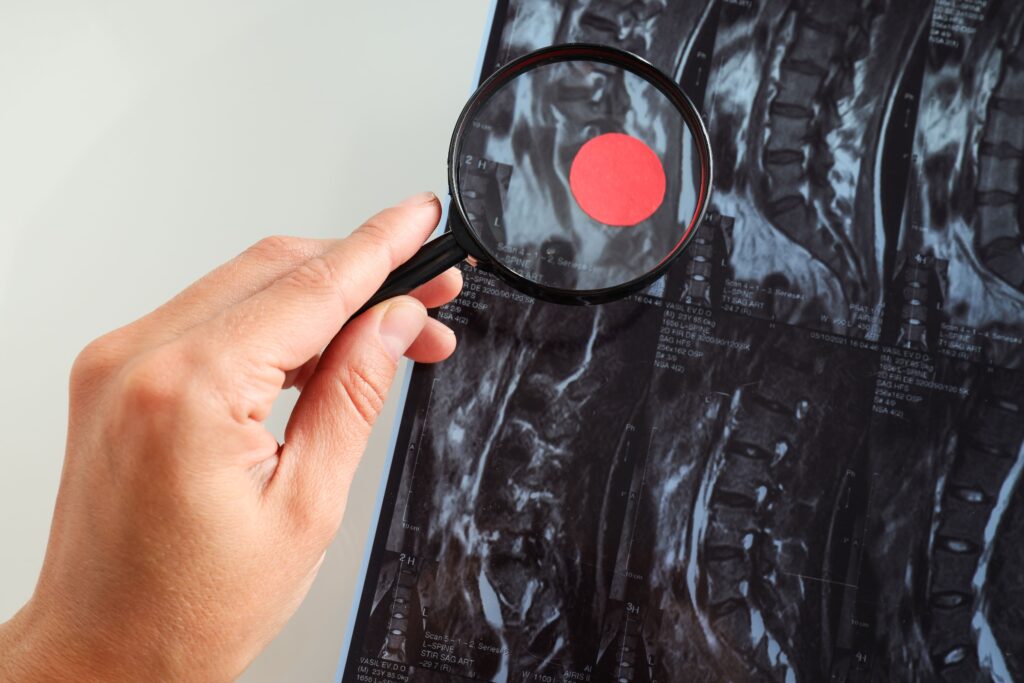
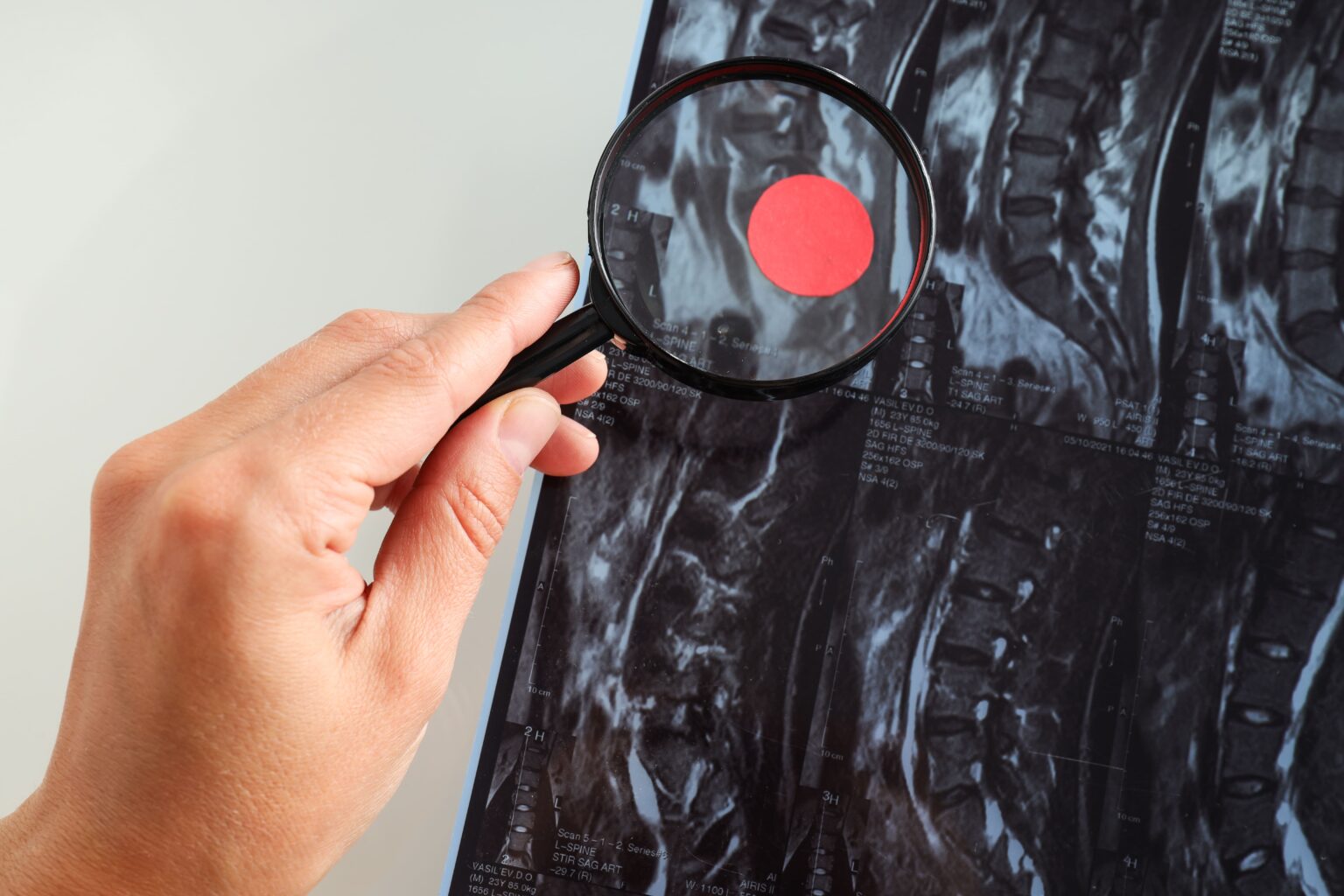
  • Magnetic Resonance Imaging (MRI) with contrast is the primary imaging tool used to visualise spine tumours. This non-invasive scan provides detailed images of soft tissues, the spinal cord, and nerve roots. MRI helps identify the tumour type, its location, and the extent of involvement.

  • Computed Tomography (CT) scans offer detailed imaging of the bones in the spine. They are useful for evaluating vertebral integrity, planning surgical approaches, and detecting calcifications within tumours. In some cases, CT-guided biopsies are performed, where a needle is precisely guided using imaging to collect a small tissue sample.

  • Positron Emission Tomography (PET) scans can help identify metastatic tumours and determine whether a spine tumour is primary or secondary. This whole-body scan may reveal other tumour sites that influence treatment planning. Blood tests, including tumour markers and inflammatory indicators, provide additional information to support the diagnosis.

  • Biopsy procedures may be necessary to confirm the tumour type. Needle biopsies use a thin needle to remove a small tissue sample, while open biopsies involve a small surgical incision to access the tumour. The tissue sample is analysed to determine the tumour type, grade, and relevant characteristics, which helps guide appropriate treatment decisions.

Treatment Options Overview

Conservative Management

For small, asymptomatic benign tumours, careful observation with regular MRI monitoring may be suitable. This approach involves scheduled imaging to track tumour growth. Pain management using medications, physical therapy, and lifestyle modifications can help control symptoms in selected cases. Our neurosurgeon will discuss the criteria for transitioning from observation to active treatment if the tumour shows growth or causes new symptoms.

Radiation Therapy

Radiation techniques offer targeted tumour treatment whilst aiming to minimise exposure to surrounding healthy tissue. Stereotactic radiosurgery delivers highly focused radiation beams in one or a few sessions and is commonly used for small to medium-sized tumours. Conventional radiation therapy delivered over multiple sessions may be recommended for larger tumours or those located near critical structures such as the spinal cord or central nerves. Radiation therapy may be used as a primary treatment for selected tumour types or as an adjunct following surgery to help reduce the risk of tumour recurrence.

Chemotherapy

Systemic chemotherapy plays a role in treating certain malignant spine tumours, particularly those originating from blood cancers or chemosensitive tumours. Targeted therapy drugs, which act on specific tumour characteristics, may be used for selected tumour types. Intrathecal chemotherapy (delivery of medication directly into the cerebrospinal fluid) may be used for tumours involving the meninges, the protective membranes that surround the spinal cord.

Minimally Invasive Procedures

Vertebroplasty and kyphoplasty are procedures used to stabilise vertebrae weakened by tumours. They may help relieve pain and reduce the risk of fractures by injecting bone cement through small incisions. Percutaneous ablation techniques, such as radiofrequency ablation or cryotherapy, may be used in selected cases to treat small tumours without open surgery. Endoscopic spine surgery allows tumour removal through small incisions and may be associated with shorter recovery times while aiming to preserve spinal stability.

Traditional Surgery

Open surgical resection remains a treatment option for many spine tumours requiring complete removal. Advances in surgical techniques, including intraoperative neurophysiological monitoring (real-time monitoring of nerve signals during surgery to help protect nerve function), aim to preserve neurological function during tumour removal. Spinal reconstruction using implants may be necessary to maintain stability after extensive tumour resection. The surgical approach depends on tumour location, size, and relationship to critical structures, such as the spinal cord and major blood vessels.

Combination Therapy

Spine tumours may be managed using a multimodal approach that combines surgery, radiation therapy, and chemotherapy. This integrated strategy aims to control tumour growth whilst preserving function and quality of life. The sequence and combination of treatments are carefully planned based on tumour type, location, behaviour, and individual health factors. Treatment responses and outcomes vary between individuals, so care plans are tailored to each situation.

Every patient’s condition is unique.

Consult our qualified neurosurgeon to discuss your specific situation and the treatment approaches that may be suitable for you.

Complications if Left Untreated

Untreated spine tumours can gradually compress the spinal cord and nerve roots (the bundles of nerves branching from the spinal cord), potentially leading to neurological changes. Early mild weakness may progress to a significant loss of movement or sensation below the tumour level. If compression persists, these changes can become difficult to reverse, even with later treatment.

Tumours affecting the vertebrae can weaken the spine, causing instability and pathological fractures (bone breaks caused by disease rather than injury). These fractures may lead to sudden severe pain, spinal cord compression, and changes in posture, breathing, or overall mobility. Quality of life may decline as pain increases and movement becomes limited.

Malignant (cancerous) tumours may continue to grow and spread to other parts of the spine or body. Delaying treatment can limit available options and may require more extensive procedures. Early detection and intervention increase the range of treatment strategies and may improve outcomes.

Prevention

While most spine tumours cannot be prevented, certain measures may help reduce risk or enable early detection. Regular cancer screening can help identify primary cancers before they spread to the spine. Following recommended screening guidelines for breast, prostate, lung, and colorectal cancers may be beneficial.

Maintaining good bone health through adequate calcium, vitamin D, and weight-bearing exercise may help bones resist tumour invasion. Weight-bearing exercise includes activities where your feet and legs support your weight, such as walking or dancing. Avoiding unnecessary radiation exposure and following safety protocols in occupational settings may reduce environmental risk factors. Genetic counselling may benefit individuals with family histories of tumour syndromes.

For those with previous cancer diagnoses, regular follow-up imaging can help detect spine metastases early. Consult our neurosurgeon promptly if you experience new back pain or neurological symptoms, such as numbness, tingling, weakness, or difficulty walking.

Additionally, lifestyle factors may support overall cancer prevention, including not smoking, maintaining a healthy weight, and staying physically active.

ask us anything

Frequently Asked Questions

Are all spine tumours cancerous?

No, many spine tumours are benign. Examples include meningiomas (tumours in the protective membranes around the spinal cord), schwannomas (tumours from nerve coverings), and haemangiomas (abnormal collections of blood vessels). Even benign tumours can cause problems if they press on the spinal cord or nerves. Malignant tumours may be primary (originating in the spine) or metastatic (spreading from cancer elsewhere in the body). Imaging tests and, in some cases, tissue sampling may help determine tumour type. Treatment decisions are based on whether the tumour is benign or malignant, its location, and how it affects surrounding structures.

How long is the recovery after spine tumour surgery?

Recovery time depends on the type of surgery, tumour location, and individual health factors. Minimally invasive procedures often allow patients to return home within a few days, with gradual resumption of activities over several weeks. Traditional open surgery may require several days of hospitalisation and several months of recovery. Physical therapy usually begins shortly after surgery to help restore strength and function. Full recovery, including return to normal activities, can take several months or longer for more extensive surgeries. Our neurosurgeon can provide a recovery timeline based on your specific procedure and overall health.

Can spine tumours come back after treatment?

Recurrence risk depends on the tumour type, how completely it was removed, and the tumour’s behaviour. Benign tumours that are fully removed typically have low recurrence rates. Malignant tumours carry a higher risk of recurrence, especially if complete removal wasn’t possible due to location near critical structures. Regular follow-up MRI scans help monitor for recurrence. Initially, scans are done more frequently, and intervals may be extended if the tumour remains stable. Additional treatment after surgery, such as radiation or chemotherapy, may sometimes be recommended to reduce the chance of recurrence. Our neurosurgeon can discuss your specific recurrence risk and monitoring plan.

Will I need radiation therapy after surgery?

Not all patients require radiation after surgery. The decision depends on the tumour type, resection margins (the edge of normal tissue left around a tumour after surgery), and pathology results of the removed tissue. Complete removal of benign tumours usually doesn’t require radiation. Malignant tumours, or tumours that could not be fully removed, may benefit from postoperative radiation therapy to eliminate residual tumour cells. Modern radiation techniques aim to focus treatment on the tumour while protecting surrounding healthy tissue.

What activities should I avoid with a spine tumour?

Activity restrictions depend on the location of the tumour, spinal stability, and symptoms. High-impact activities such as running, jumping, heavy lifting, or contact sports may need to be avoided until cleared by a healthcare professional. Safer options for maintaining fitness often include walking or swimming. Physical therapy can guide exercises that maintain strength while reducing rthe riskof injury. Restrictions may be gradually lifted as recovery progresses.

How often will I need follow-up scans?

The frequency of follow-up scans depends on tumour type, treatment received, and individual risk factors. MRI scans, which provide detailed images of the spine, are often done regularly during the first two years after treatment. If the tumour remains stable, scan intervals may be extended. Benign tumours that are fully removed may require less frequent monitoring, while malignant tumours or those treated with radiation may require closer surveillance. Blood tests may also be used in some cases. Lifelong monitoring is often recommended, although the interval between checks may increase over time. Our neurosurgeon can establish a surveillance schedule based on your specific situation and current guidelines.

Conclusion

Living with a spine tumour diagnosis can feel overwhelming, but understanding your condition may help you make informed treatment decisions. Modern neurosurgical techniques offer a range of options, from minimally invasive procedures to more complex reconstructive surgeries. Early diagnosis and appropriate treatment may help improve outcomes and quality of life.

Each treatment plan is tailored to the tumour type, location, and individual circumstances. Outcomes vary between patients based on overall health and tumour characteristics. With proper treatment and follow-up care, many patients with spine tumours are able to return to active and fulfilling lives.

Take the First Step Towards Better Health

Living with a spine tumour can be challenging, but you don’t have to face it alone. Consult our Senior Consultant Neurosurgeon to discuss your diagnosis and explore treatment options appropriate for your individual circumstances.

doctor desktop w alpha doctor mobile w alpha

Dr Teo Kejia 张哿佳医生

MBBS (SG)MRCS (Edin)FAMSFRCS EdIFAANS

Dr Teo Kejia is an experienced Senior Consultant Neurosurgeon and Director at Precision Neurosurgery.

Dr Teo has extensive knowledge and experience in the field of neurosurgery, with a particular focus on complex brain tumour procedures. He is adept in employing advanced surgical techniques, including brain mapping and awake brain surgery, especially for treating gliomas and glioblastomas. His expertise extends to neuro-oncology, encompassing both brain and spinal tumours, as well as neurovascular and skull base surgery.

Additionally, Dr Teo offers treatment for a range of neurological conditions, such as traumatic head injuries, intracerebral aneurysms, and degenerative spine disorders, which include neck and back pain. He is also proficient in managing ischemic and haemorrhagic strokes, hydrocephalus, trigeminal neuralgia, and hemifacial spasm.

Corporate & Personal Insurance Plans

For Singaporeans, Singapore Permanent Residents and Foreigners.

Please speak to our friendly clinic staff about using your insurance plans.

Make an Enquiry

Got Questions? Please fill in the enquiry form below and we look forward to addressing your question.

    Full Name*

    Email Address*

    Phone Number*

    Your Message*

    For Faster Response, Call us!

    +65‎ 6956‎ 6588