

Notice: Function _load_textdomain_just_in_time was called incorrectly. Translation loading for the acf domain was triggered too early. This is usually an indicator for some code in the plugin or theme running too early. Translations should be loaded at the init action or later. Please see Debugging in WordPress for more information. (This message was added in version 6.7.0.) in /home/precisio/public_html/wp-includes/functions.php on line 6121
Spinal Fusion Surgery Singapore | Dr Teo Kejia

Spinal Fusion Surgery in Singapore | By Dr Teo Kejia

Living with chronic back pain or spinal instability can significantly affect your daily activities, work, and overall quality of life. When conservative treatments such as physiotherapy, medications, and spinal injections no longer provide sufficient relief, spinal fusion surgery may be considered as a treatment option.

This guide explains what spinal fusion surgery involves, who may benefit from the procedure, and what to expect during treatment and recovery. Whether you’re exploring surgical options for the first time or seeking a second opinion, this information is designed to help you make informed decisions about your spinal health.

doctor img
Dr Teo Kejia (张哿佳医生)

MBBS (SG) MRCS (Edin) IFAANS FAMS (Neuro Surg) FRCS Ed (Neuro Surg)

pexels cottonbro 5723884   Edited

What is Spinal Fusion Surgery?

Spinal fusion surgery is a procedure that permanently joins two or more vertebrae (the individual small bones that stack together to form your backbone) to eliminate movement between them. By stabilising the affected segment of the spine, the surgery aims to reduce pain caused by abnormal motion and prevent further damage to surrounding spinal structures.

During the procedure, the neurosurgeon places bone graft material between the affected vertebrae. This graft may come from your own bone, a donor source, or a synthetic substitute. Over time, the bone graft heals and fuses the vertebrae into a single solid unit, providing long-term stability to the spine.

Conditions Treated With Spinal Fusion

Spinal fusion surgery may be recommended for a range of spinal conditions, including:

  • Degenerative disc disease (wear and tear of the cushioning discs between vertebrae)

  • Spondylolisthesis (when one vertebra slips forward over another)

  • Spinal stenosis (narrowing of the spinal canal that puts pressure on nerves)

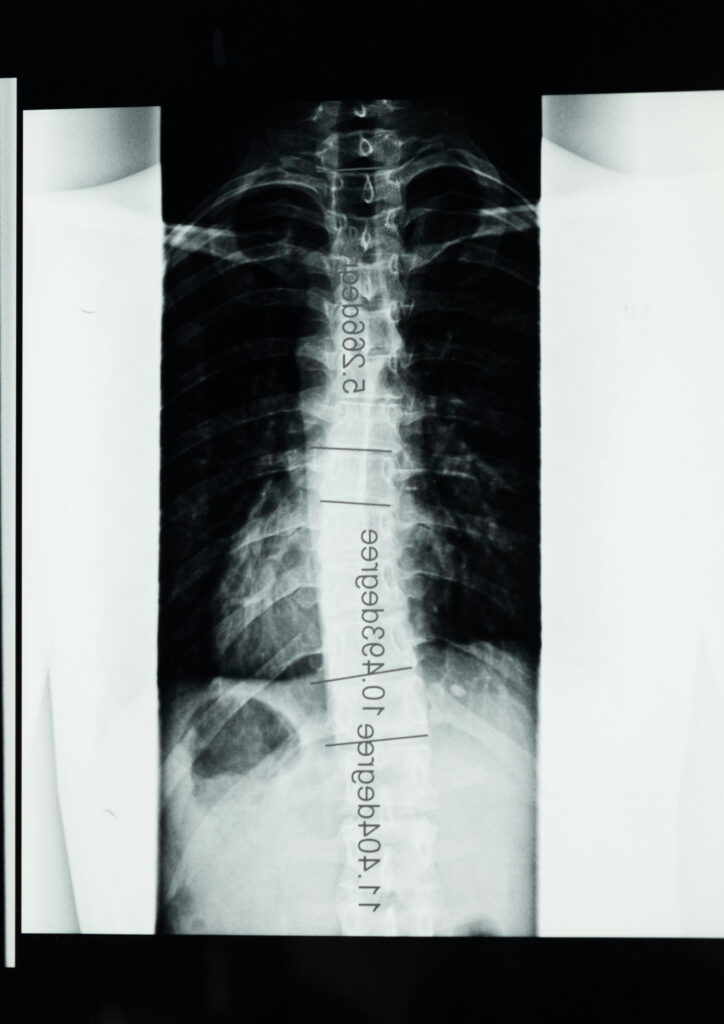
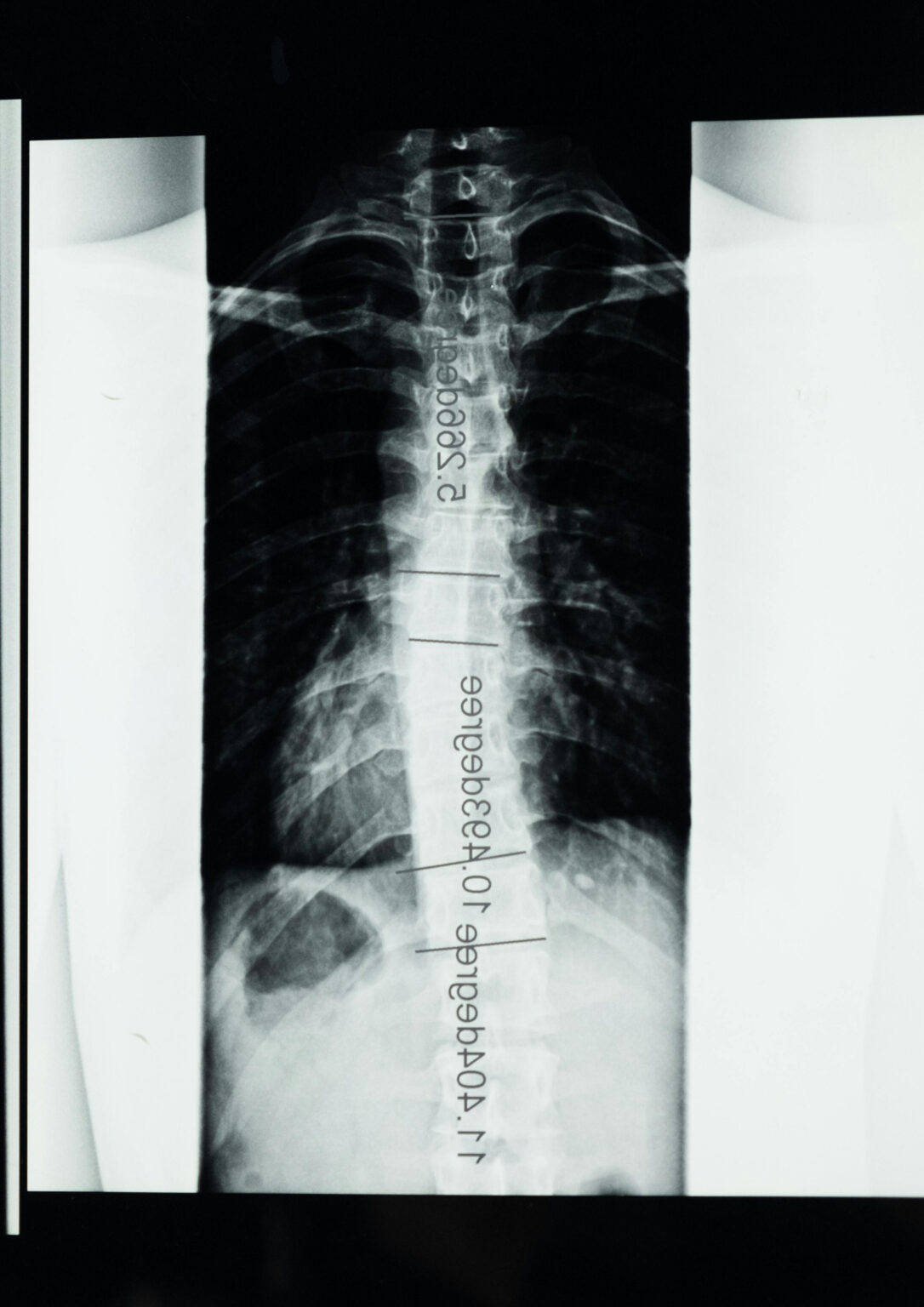
  • Scoliosis (abnormal sideways curvature of the spine)

  • Fractured vertebrae

  • Spinal tumours

The procedure can be performed in different regions of the spine, including the cervical (neck), thoracic (mid-back), or lumbar (lower back) spine, depending on the location of the problem. Spinal fusion surgery may help reduce pain and improve stability and function in carefully selected patients. Outcomes vary depending on the underlying condition, overall health, and the specific surgical approach used. The neurosurgeon will assess your individual situation and discuss whether spinal fusion is appropriate for you, along with the expected benefits and potential risks.

Ideal Candidates

Spinal fusion surgery may be appropriate for patients who meet one or more of the following criteria:

  • Persistent back or neck pain that has not improved after several months of conservative treatment, such as physiotherapy, pain medications, or lifestyle modifications
  • Structural spinal abnormalities confirmed on imaging studies (MRI, CT scans, or X-ray)
  • Symptoms that correlate with imaging findings, meaning the pain source matches the spinal problem
  • Spinal instability causing neurological symptoms, such as weakness, numbness, or pain radiating down the arms or legs
  • Degenerative disc disease with documented disc collapse and associated pain
  • Spondylolisthesis with symptomatic vertebral slippage
  • Spinal deformities, such as scoliosis, that require correction and stabilisation
  • Failed previous spinal surgery, where revision with fusion is required
  • Adequate overall health to tolerate surgery and general anaesthesia
  • Realistic expectations regarding pain relief and functional improvement
  • Willingness to commit to post-operative rehabilitation, including physiotherapy and activity modifications

Contraindications

Certain conditions may make spinal fusion unsuitable or require treatment to be delayed:

  • Active spinal infection or systemic infection
  • Severe osteoporosis, which may compromise implant fixation (weak or brittle bones)
  • Poorly controlled diabetes affects wound healing
  • Active smoking significantly reduces bone healing and fusion rates
  • Morbid obesity, which increases surgical and anaesthetic risks
  • Bleeding disorders or anticoagulant (blood-thinning medication) use that cannot be safely paused
  • Significant heart or lung disease that increases anaesthetic risk
  • Psychological conditions that may affect post-operative recovery or compliance
  • Unrealistic expectations, such as the complete elimination of all pain
  • Pain primarily from non-structural causes, where fusion is unlikely to address the source of symptoms

A thorough evaluation by a neurosurgeon is essential to determine whether spinal fusion surgery is appropriate. This assessment typically includes:

  • A detailed medical history
  • A comprehensive physical examination
  • Review of imaging studies
  • Discussion of your symptoms,
  • treatment goals, and expected outcomes

Our surgeon will use this information to recommend a treatment plan tailored to your specific condition and overall health profile.

Treatment Techniques & Approaches

Posterior Lumbar Fusion

This traditional approach accesses the spine through an incision in the back. The surgeon works alongside the spinal canal to place bone graft material (to promote fusion) and instrumentation such as screws and rods to stabilise the spine. Posterior fusion allows direct visualisation of the spinal cord and nerves; it can address multiple spinal levels; it is commonly combined with decompression procedures, such as laminectomy, to relieve pressure on nerves.

Anterior Lumbar Interbody Fusion (ALIF)

ALIF approaches the lumbar spine through the abdomen, allowing access to the disc space from the front. The damaged disc is removed and replaced with a large interbody cage filled with bone graft. Potential advantages of ALIF include preservation of back muscles, restoration of disc height and spinal alignment, and reduced post-operative back muscle pain compared to posterior approaches in selected patients.

Lateral Lumbar Interbody Fusion (LLIF/XLIF)

This minimally invasive technique accesses the spine through a small incision on the side of the body. The surgeon passes through the psoas muscle (a large muscle in the lower back and pelvis) to reach the disc space. LLIF allows placement of a large interbody cage whilst avoiding major blood vessels at the front of the spine. It is often associated with reduced blood loss and shorter hospital stays.

Transforaminal Lumbar Interbody Fusion (TLIF)

TLIF is performed through a single incision in the back and combines posterior stabilisation with interbody fusion. The surgeon accesses the disc space through the neural foramen (the opening where spinal nerves exit), removes the damaged disc, and inserts an interbody cage packed with bone graft.

Pedicle screws and rods provide additional stability while fusion occurs.

Minimally Invasive Spinal Fusion

Advances in surgical techniques allow spinal fusion to be performed through smaller incisions using specialised instruments and tubular retractors. Minimally invasive approaches may reduce muscle damage, blood loss, post-operative pain, and shorten hospital stay and recovery time. These techniques require specialised expertise and may not be suitable for all spinal conditions.

Technology & Equipment Used

Modern spinal fusion surgery incorporates advanced technology to improve precision and safety:

  • Pedicle screws and rods: Titanium or cobalt-chrome implants provide immediate spinal stability
  • Interbody cages: PEEK (polyetheretherketone, a strong medical-grade plastic) or titanium devices maintain disc height and support bone fusion
  • Bone graft materials: Autograft (the patient’s own bone), allograft (donor bone), or synthetic substitutes
  • Intraoperative navigation: Computer-assisted systems to enhance implant placement accuracy
  • Intraoperative neuromonitoring: Continuous monitoring of nerve function during surgery

Considering your options?

Every spine is different. Our neurosurgeon evaluates your symptoms, imaging studies, and overall health to recommend a surgical approach tailored to your condition and recovery goals.

The Treatment Process

Pre-Treatment Preparation

Careful preparation helps reduce surgical risks and supports a smoother recovery after spinal fusion surgery:

Medical Optimisation

  • Blood tests, ECG ( a test that checks your heart’s electrical activity), and chest X-ray
  • Medical clearance from relevant specialists for patients with chronic conditions
  • Optimisation of conditions such as diabetes and high blood pressure
  • Review and adjustment of medications as advised, especially blood thinners

Lifestyle Modifications

  • Stop smoking several weeks before surgery, as smoking interferes with bone healing
  • Weight optimisation is recommended by the surgeon
  • Begin pre-operative exercises if prescribed
  • Arrange assistance at home for the early recovery period

The Day Before Surgery

  • Follow fasting instructions (usually no food or drink after midnight)
  • Shower with antiseptic soap as directed
  • Home preparation for recovery (safe bathroom access, appropriate sleeping reminders)
  • Organise transportation and post-discharge support
During the Procedure

Spinal fusion surgery is performed under general anaesthesia, meaning the patient remains fully unconscious throughout the operation.

  • Positioning and Preparation: The surgical team positions the patient according to the planned approach—face down for posterior surgery, supine for anterior surgery, or lateral for side-approach techniques. The surgical area is thoroughly cleaned and prepared.
  • The Surgical Procedure: The duration of spinal fusion surgery varies depending on the complexity of the condition and the number of spinal levels involved, and typically lasts several hours. The surgeon begins by making the planned incision and carefully exposing the affected vertebrae. When indicated, decompression is performed by removing bone spurs or disc material that is compressing nearby nerves. The damaged disc material between the vertebrae is then removed, and the bone surfaces are prepared to encourage fusion. Bone graft material is placed in and around the disc space, and stabilising instrumentation—such as metal screws, rods, or cages—is positioned to support the spine while fusion occurs. Once the surgical objectives are achieved, the incision is closed in layers and covered with a sterile dressing.
  • Intraoperative Neuromonitoring: Specialised equipment continuously monitors spinal cord and nerve function during surgery. Any changes are immediately communicated to the surgical team, allowing adjustments to reduce the risk of neurological injury.
Immediate Post-Treatment

Recovery Room

Following surgery, the patient is monitored in the recovery area. Vital signs, pain levels, and neurological function (including movement and sensation) are closely observed. Pain relief is initially provided through intravenous (IV) medication.

Hospital Stay

Hospitalisation typically lasts several days. During this period:

  • Early mobilisation is encouraged, often beginning on the first post-operative day with assistance
  • Pain management is adjusted using a combination of medications
  • A spinal brace may be prescribed, depending on the procedure performed
  • Wound care is performed, and surgical drains are removed when appropriate

Discharge Planning

Prior to discharge, clear instructions are provided regarding wound care, medications, activity restrictions, and warning signs that require medical attention. Follow-up appointments are scheduled to monitor recovery and surgical outcomes.

Recovery & Aftercare


First 24-48 hours The initial period after spinal fusion surgery focuses on pain management and early mobilisation:

Pain Management

  • Moderate to significant discomfort is common after spinal surgery
  • Pain medication is administered regularly and tailored to clinical needs
  • Ice packs may reduce swelling at the surgical site
  • Position changes and early walking can help alleviate discomfort


Activity Guidelines

  • Short-distance walking with assistance is encouraged
  • Avoid bending, twisting, or lifting
  • Use the log-roll technique (moving the body as a single unit, keeping the spine straight) when getting in and out of bed
  • Sitting should be limited to short intervals with appropriate back support


Warning Signs

Immediate medical attention is indicated for:

  • Fever above 38°C
  • Increasing redness, swelling, or drainage from the wound
  • New or worsening leg weakness or numbness
  • Loss of bladder or bowel control
  • Severe headache, which may indicate a cerebrospinal fluid (CSF) leak
 

First Week

Daily Care

  • Keep the surgical wound clean and dry
  • Follow wound care instructions provided at discharge
  • Continue prescribed medications, including pain relief and any blood clot prevention
  • Walking distance can be gradually increased each day
  • Wear any prescribed spinal brace as directed


Follow-Up

The first post-operative appointment usually occurs within one to three weeks for wound assessment and staple or suture removal.


Activity Resumption

  • Walking remains the primary form of exercise
  • Prolonged sitting is discouraged
  • Driving should be avoided while taking opioid pain medications
  • Heavy lifting is not advised
  • Sleeping on the back or side with pillow support is recommended.
Long-Term Recovery Weeks 2-6

  • Pain and stiffness gradually decrease
  • Walking endurance improves
  • Gentle stretching exercises may begin if approved
  • Sedentary work (desk-based) can often be resumed
  • Driving may resume when opioid medications are no longer required


Months 2-3

  • Physiotherapy may commence for core strengthening and flexibility
  • Light activities can be gradually resumed
  • Physical jobs may require several months off work
  • Bone fusion (where the vertebrae join into a solid structure) continues


Months 3-12

  • Bone fusion typically solidifies over several months, with complete maturation taking up to a year
  • Progressive return to normal activities is encouraged
  • Imaging, such as X-rays or CT scans, may be performed to assess fusion progress
  • Maximum improvement in function and pain relief is usually achieved within 12 months

Post-operative support

Consult with Dr Teo Kejia to discuss your individual recovery plan and expectations throughout the post-operative journey.

Benefits of Spinal Fusion Surgery

When performed for appropriate indications, spinal fusion surgery may offer several potential benefits:

  • Pain reduction

    Reduction in chronic back or neck pain by eliminating abnormal motion at the affected spinal segment

  • Improved stability

    Restoration of spinal stability in cases where instability contributes to pain or neurological symptoms, such as radiating pain, tingling, or muscle weakness

  • Prevention of progression

    Slowing or halting the progression of certain spinal conditions, including spondylolisthesis (forward slippage of one vertebra over another) and degenerative scoliosis (age-related spinal curvature)

  • Neurological improvement

    Relief of nerve compression symptoms, such as leg or arm pain, numbness, or weakness

  • Enhanced function

    Improved ability to perform daily activities, work-related tasks, and recreational activities

  • Reduced medication reliance

    Some patients may be able to reduce or discontinue long-term pain medication use following successful fusion

  • Deformity correction

    Improvement in spinal alignment in conditions such as scoliosis (sideways curvature of the spine) or kyphosis (forward rounding of the spine)

  • Long-lasting outcomes

    Once solid fusion is achieved, the stabilising effect is generally permanent

  • Quality of life improvement

    Improved sleep quality, mobility, and overall well-being associated with reduced chronic pain

Clinical outcomes vary among individuals, and complete pain resolution cannot be guaranteed. Expected benefits depend on the underlying condition, overall health status, and adherence to post-operative rehabilitation. A thorough discussion with the surgeon helps establish realistic expectations and appropriate treatment goals.

Common Side Effects

As with any surgical procedure, spinal fusion surgery is associated with certain expected effects that are usually temporary:

  • Post-operative pain: Discomfort at the surgical site is common and typically managed with medication, gradually improving over several weeks
  • Stiffness: Reduced flexibility at the fused spinal segment is expected and permanent; overall impact varies depending on individual adaptation and the number of levels fused
  • Muscle soreness: Surrounding back muscles may feel tight or sore during the healing phase, usually resolving over weeks to months
  • Fatigue: Increased tiredness is common during the early recovery period as the body heals
  • Constipation: Pain medications may contribute to constipation, which is typically managed with stool softeners, hydration, and dietary adjustments
  • Bruising and swelling: Localised swelling or bruising around the surgical site is common and usually settles over a short period

Rare Complications

Although uncommon, more serious complications may occur:

  • Infection: May develop at the surgical site or deeper tissues and can require antibiotic treatment or additional surgery
  • Blood clots: Deep vein thrombosis (blood clots in the leg veins) or pulmonary embolism (clots travelling to the lungs) can occur; preventive measures are routinely implemented
  • Nerve injury: There is a risk of new or worsening weakness, numbness, or sensory changes; intraoperative neuromonitoring (real-time nerve function monitoring during surgery) helps reduce this risk
  • Pseudarthrosis (non-union): Failure of the vertebrae to fuse fully may occur in some cases and can necessitate revision surgery
  • Hardware problems: Loosening or breakage of screws or rods may occur and may require further intervention
  • Adjacent segment disease: Increased mechanical stress on spinal levels above or below the fused segment may lead to degeneration over time
  • Dural tear: A tear in the protective covering of the spinal cord may cause CSF leakage; this is usually identified and repaired during surgery

Multiple measures are taken to minimise these risks, including careful patient selection, meticulous surgical technique, intraoperative monitoring, appropriate antibiotic use, and blood clot prevention strategies. Patient-related factors such as smoking status and control of chronic medical conditions (e.g., diabetes) may influence complication rates and overall outcomes.

Cost Considerations

The cost of spinal fusion surgery in Singapore varies depending on several factors:

  • Number of spinal levels: Single-level fusion (involving one spinal segment) generally costs less than multi-level procedures (involving multiple segments)
  • Surgical approach: Different techniques require varying operative time, equipment, and resources
  • Implant selection: The type and quantity of screws, rods, and interbody cages (devices used to stabilise the spine) influence overall cost
  • Hospital choice: Fee structures vary between private hospitals and facilities
  • Length of hospital stay: Extended hospitalisation increases total costs
  • Additional procedures: Combined decompression (procedures performed to relieve pressure on spinal nerves) or other adjunctive interventions add to the overall expense
  • Professional fees: Surgeon fees vary based on case complexity and experience
  • Anaesthesia fees: Dependent on the duration and complexity of the procedure
  • Post-operative care: Costs related to rehabilitation, bracing, and follow-up consultations

A comprehensive cost estimate typically includes surgeon fees, anaesthesia services, hospital charges, implants, and standard post-operative care. Additional expenses may arise from pre-operative investigations, physiotherapy, and any supportive devices required during recovery.

During consultation with our neurosurgeon, a detailed cost estimate can be provided based on the individual treatment plan and clinical needs.

ask us anything

Frequently Asked Questions

How long does spinal fusion surgery take?

The duration of spinal fusion surgery depends on case complexity. A single-level fusion (joining one pair of vertebrae) typically takes several hours. Multi-level fusions (involving multiple vertebrae) or revision surgeries ( procedures performed to address prior spinal operations) may require longer operative times. Our surgeon can provide a more accurate estimate based on the planned procedure. Surgical time includes patient positioning, the operation itself, and closure, with additional time in the recovery area before returning to the ward.

Will I lose flexibility after spinal fusion?

Yes, motion at the fused spinal segment is permanently limited because the vertebrae are joined. Outcomes vary based on the patient’s overall health and the number of fused segments. Remaining spinal levels usually compensate for most movements. Many patients experience a trade-off of reduced pain for slightly decreased flexibility. Our surgeon will discuss the expected functional impact based on the individual’s condition.

When can I return to work after spinal fusion surgery?

Return to work depends on the type of work and recovery progress. Patients with sedentary, desk-based roles may return within several weeks, though prolonged sitting should be avoided initially. Those with physically demanding jobs typically require several months before resuming full duties. Our surgeon may recommend a gradual return or modified responsibilities during recovery.

Is spinal fusion surgery painful?

Post-operative pain is normal after major spinal surgery. Pain is managed using a combination of medications. Discomfort is often significant during the first few days but typically improves over subsequent weeks. Most patients experience reduced pain medication use within several weeks, with the long-term goal of alleviating chronic pain that led to surgery.

What is the success rate of spinal fusion surgery?

Outcomes vary depending on the reason for surgery, patient factors, and the definition of success. Many appropriately selected patients experience significant pain relief and functional improvement. Factors influencing outcomes include:

  • Careful patient selection
  • Smoking status
  • Diabetes control
  • Compliance with post-operative instructions
  • Realistic expectations
Can spinal fusion surgery be performed minimally invasive?

Yes, many spinal fusion procedures can be performed using minimally invasive techniques through smaller incisions. These approaches use specialised instruments and tubular retractors (tube-shaped devices that create a working channel) to access the spine while reducing muscle damage. Benefits may include less blood loss, lower post-operative pain, and shorter hospital stays. Our neurosurgeon will determine whether a minimally invasive approach is appropriate for the patient’s condition.

What happens if the fusion does not heal?

Non-union, or pseudarthrosis, can occur in some cases. Risk factors include smoking, diabetes, multi-level fusion, and poor nutrition. Persistent or recurrent pain may be a symptom. Diagnosis is confirmed with imaging studies such as X-rays or CT scans. If pseudarthrosis causes significant symptoms, revision surgery may be considered. Prevention focuses on optimising medical conditions and following post-operative activity guidelines. The surgeon will determine the most suitable management strategy.

Will I need to wear a brace after surgery?

Brace requirements vary depending on the type of fusion and the surgeon’s approach. Some patients use a lumbar support brace to limit motion and protect the healing fusion. Others with strong instrumentation (screws and rods) may not require a brace. Our neurosurgeon will provide instructions on whether a brace is needed and the duration of its use.

Conclusion

Spinal fusion surgery represents one treatment option for patients with chronic spinal conditions that have not responded to conservative measures such as physiotherapy, pain medication, or injections. By permanently stabilising painful spinal segments, this procedure can provide pain relief and functional improvement for suitable candidates, supporting a return to daily and recreational activities.

Outcomes vary among patients and depend on factors such as overall health, appropriate patient selection, surgical technique, and adherence to post-operative rehabilitation. Spinal fusion involves a significant recovery period and carries inherent surgical risks. For many patients, the potential benefits of reduced pain and improved spinal stability make it a reasonable treatment consideration.

Patients experiencing persistent back or neck pain despite non-surgical treatment may benefit from consultation with a neurosurgeon. A clinical assessment can help determine whether spinal fusion surgery is appropriate and provide personalised recommendations based on individual clinical circumstances.

Ready to Take the Next Step?

Patients considering spinal fusion surgery may benefit from consultation with our neurosurgeon, who provides care from initial assessment to post-operative recovery.

doctor desktop w alpha doctor mobile w alpha

Dr Teo Kejia (张哿佳医生)

MBBS (SG)MRCS (Edin)FAMSFRCS EdIFAANS

Dr Teo Kejia is a Senior Consultant Neurosurgeon and Medical Director at Precision Neurosurgery, with more than 15 years of clinical experience.

Dr Teo has extensive knowledge and experience in the field of neurosurgery, with a particular focus on complex brain tumour procedures. He is adept in employing advanced surgical techniques, including brain mapping and awake brain surgery, especially for treating gliomas and glioblastomas. His expertise extends to neuro-oncology, encompassing both brain and spinal tumours, as well as neurovascular and skull base surgery.

Additionally, Dr Teo offers treatment for a range of neurological conditions, such as traumatic head injuries, intracerebral aneurysms, and degenerative spine disorders, which include neck and back pain. He is also proficient in managing ischemic and haemorrhagic strokes, hydrocephalus, trigeminal neuralgia, and hemifacial spasm.

Make an Enquiry

Have a question or need more information? Please fill in the form below, and our team will assist you.

    Full Name*

    Email Address*

    Phone Number*

    Your Message*

    For Faster Response, Call us!

    +65‎ 6956‎ 6588


    Billing & insurance

    Corporate & Personal Insurance Plans

    For Singaporeans, Singapore Permanent Residents and Foreigners.
    Please speak to our friendly clinic staff about using your insurance plans.