Skull Base and Pituitary Surgery in Singapore: A Comprehensive Clinical Guide

The skull base is one of the most complex anatomical regions in the human body, acting as the floor of the cranial cavity where the brain sits. It is the interface where the brain meets the nasal cavity, the ears, and the spinal column. This region contains a high density of vital structures, including the carotid arteries, the brainstem, and the cranial nerves responsible for vision, hearing, balance, and facial movement.

When conditions such as tumours, vascular abnormalities, or infections affect this area, they require specialised surgical expertise. Skull base surgery in Singapore has evolved into a highly technical field, combining neurosurgical skill with modern technology to address complex conditions. Whether through minimally invasive endoscopic techniques or traditional open surgery, the goal is to manage the pathology while aiming to preserve the patient’s essential neurological functions and quality of life.

doctor img
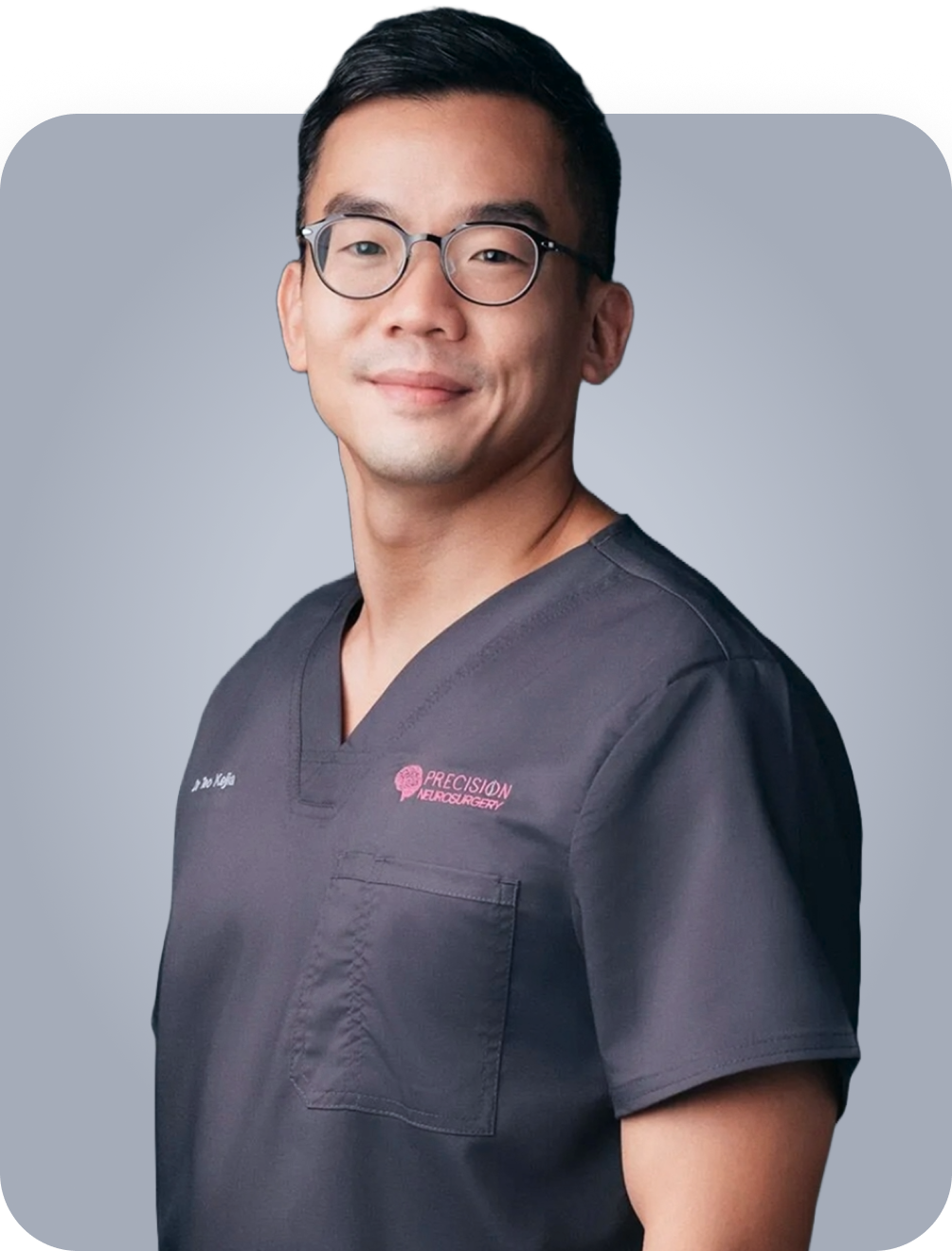
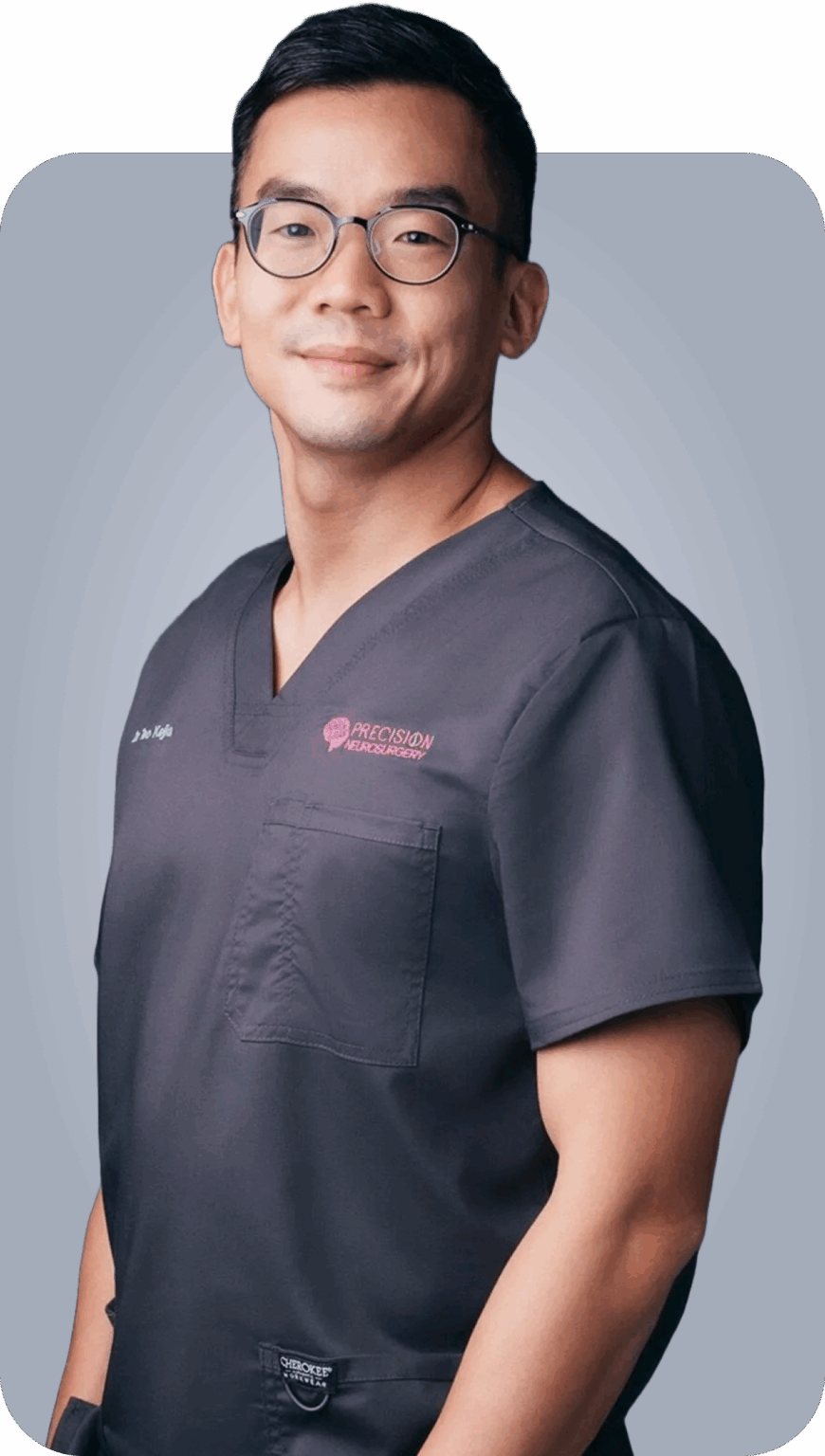
Dr Teo Kejia (张哿佳医生)

MBBS (SG) MRCS (Edin) FAMS (Neuro Surg) FRCS Ed (Neuro Surg) IFAANS

doctors examining brain tomography image in team 2026 01 08 00 15 14 utc Skull Base and Pituitary Surgery in Singapore: A Comprehensive Clinical Guide

What is Skull Base and Pituitary Surgery?

Skull base surgery refers to a collection of specialised procedures used to access the underside of the brain and the foundation of the skull. Historically, this area was difficult to reach without significant disruption to the brain. However, modern neurosurgery provides various pathways to treat lesions in these deep-seated locations.

The pituitary gland, often called the “master gland,” is located in a small pocket at the skull base known as the sella turcica, directly behind the bridge of the nose. Because of its location, surgery on the pituitary gland is considered a form of skull base surgery.

These procedures are generally used to:

  • Remove or debulk benign or malignant tumours.
  • Address vascular malformations such as aneurysms or AVMs.
  • Repair defects in the skull base that cause cerebrospinal fluid (CSF) leaks.
  • Treat infections of the bone (osteomyelitis) at the base of the skull.
Types of Skull Base and Pituitary Tumours

Tumours in this region are often classified by their location within the skull base, as the anatomical neighbourhood dictates the surgical approach.

Anterior Skull Base Tumours

These are located at the front of the skull base, near the eye sockets and the roof of the nasal cavity.

  • Meningiomas: Tumours arising from the protective membranes of the brain.
  • Esthesioneuroblastomas: Rare tumours starting in the olfactory (smell) nerves.
  • Sinonasal Cancers: Conditions that may invade the skull base from the nasal passages.
Central Skull Base (Sellar) Tumours

This region is dominated by the pituitary gland.

  • Pituitary Adenomas: The most common tumours in this area. They may be “functioning” (producing excess hormones) or “non-functioning.”
  • Craniopharyngiomas: Benign but complex tumours that grow near the pituitary stalk.
  • Chordomas: Rare, slow-growing bone tumours arising from remnants of the embryonic notochord.
Posterior Skull Base Tumours

These are found at the back of the skull, near the brainstem and cerebellum.

  • Acoustic Neuromas (Vestibular Schwannomas): Tumours on the nerve responsible for hearing and balance.
  • Glomus Tumours: Highly vascular growths near the base of the skull and neck.

Potential Candidates

Surgery may be considered for:

  • Symptomatic Patients: Those experiencing vision loss, double vision, or facial numbness caused by tumour pressure.
  • Hormonal Imbalance: Patients with functioning pituitary tumours (e.g., those causing Acromegaly or Cushing’s Disease) that require surgical removal to normalise hormone levels.
  • Progressive Growth: Small, benign tumours that show evidence of enlargement over time on MRI scans.
  • CSF Leak Repair: Individuals with a clear fluid discharge from the nose or ear due to a skull base defect.

Contraindications and Considerations

Certain factors may make surgery less suitable or require a shift in approach:

  • Severe Medical Fragility: Patients with advanced heart or lung disease who may not tolerate long periods of anaesthesia.
  • Invasive Malignancies: When a tumour has extensively involved major blood vessels or the brainstem in a way that cannot be safely navigated.
  • Functional Status: If the patient’s baseline health suggests they may not be able to participate in the recovery and rehabilitation process.

The decision to undergo skull base surgery involves a detailed assessment of the tumour’s characteristics and the patient’s overall health.

Treatment Techniques and Approaches

Neurosurgeons in Singapore utilise various “corridors” to reach the skull base, aiming to minimise the retraction of the brain.

Endoscopic Endonasal Approach (EEA)

This is a minimally invasive technique that has changed the management of many skull base conditions.

  • The Process: The surgeon uses high-definition endoscopes (thin tubes with cameras) inserted through the nostrils. No external incisions are made.
  • The Benefit: It provides a direct line of sight to the pituitary gland and central skull base. This approach may result in less post-operative pain and a shorter hospital stay for suitable candidates.
Microscopic Transsphenoidal Surgery

This is a long-standing technique often used for pituitary tumours. The surgeon works through a small incision under the upper lip or inside the nose using an operating microscope for three-dimensional visualisation.

Open Skull Base Surgery (Craniotomy)

For larger tumours or those located at the side or back of the skull, a craniotomy may be required.

  • Technique: A section of the skull bone is temporarily removed. Specialised “skull base approaches” are used to reach the bottom of the brain while minimising the need to move (retract) healthy brain tissue.
  • Utility: This approach is often used for tumours like acoustic neuromas or large meningiomas.
Stereotactic Radiosurgery

In some cases, physical surgery is combined with targeted radiation (such as Gamma Knife). This can be used to treat any small “remnants” of a tumour that were too risky to remove during surgery.

Wondering which approach might be suitable for your specific condition?

A neurosurgeon can evaluate your scans and discuss the available techniques.

The Surgical Process


Pre-Surgical Preparation A thorough diagnostic workup is essential for planning these complex surgeries:

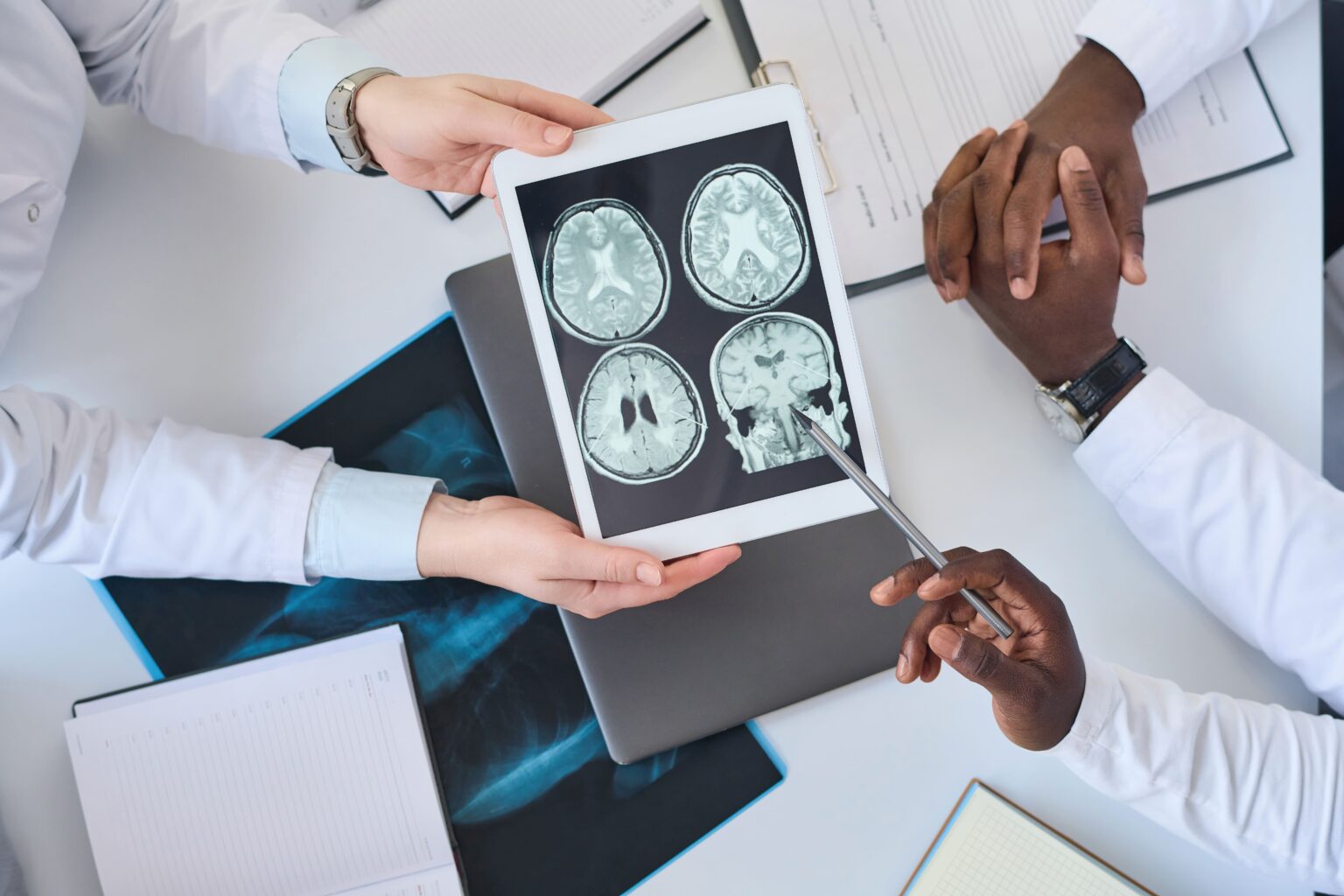
  • High-Resolution Imaging: MRI and CT scans are used to create a 3D map of the tumour’s relationship to nerves and arteries.
  • Hormone Profiles: Blood tests check for pituitary deficiencies or excesses.
  • Specialist Assessments: Patients may see an ENT surgeon (for nasal approaches), an ophthalmologist (to check vision), and an endocrinologist (to manage hormones).
 During the Surgery
The surgery is performed under general anaesthesia. For many skull base procedures, intraoperative neurophysiological monitoring is used. This involves a specialist tracking nerve signals in real-time. If the surgeon is working near the hearing nerve or the facial nerve, the equipment provides an alert if the nerve is being stressed, allowing the surgeon to adjust their technique and protect the nerve.
Immediate Post-Treatment After surgery, patients are typically monitored in a High Dependency or Neurosurgical Intensive Care Unit. The medical team focuses on:

  • Neurological Checks: Frequent testing of vision, speech, and limb movement.
  • Fluid Balance: Monitoring for “Diabetes Insipidus,” a temporary condition where the body produces too much urine due to pituitary irritation.
  • Nasal Care: For endonasal surgeries, patients are advised on how to care for the nasal passages and are typically told to avoid blowing their nose.

Recovery and Aftercare

Immediate Recovery (The First Week)

Hospital stays for skull base surgery usually range from 3 to 7 days. During this time, the focus is on pain management and ensuring no cerebrospinal fluid (CSF) is leaking from the nose or the incision site.

The First Month at Home

Patients are advised to take it slow.

  • Activity: Most patients can walk around and do light housework but must avoid heavy lifting or straining, which can increase pressure inside the head.
  • Medications: Steroids may be used to reduce brain swelling, and hormone replacements may be necessary if the pituitary gland was affected.
  • Follow-up: The first post-operative scan is usually scheduled within a few weeks to assess the extent of the tumour removal.
Long-term Recovery

Complete healing of the skull base can take several months. Ongoing care with an endocrinologist is often necessary for pituitary patients. For those with posterior skull base surgery, balance rehabilitation or physical therapy may be helpful in regaining full mobility.

Risks and Potential Complications

Skull base surgery involves navigating near some of the most sensitive areas of the body. While technology and technique have improved safety, potential risks include:

  • Cerebrospinal Fluid (CSF) Leak: If the repair at the skull base does not seal perfectly, brain fluid can leak through the nose. This may require a minor second procedure to reinforce the seal.

  • Hormonal Changes: Temporary or permanent loss of some pituitary functions.

  • Cranial Nerve Injury: Potential impact on vision, hearing, facial sensation, or swallowing, depending on the tumour’s location.

  • General Risks: Infection (meningitis), bleeding, or reactions to anaesthesia.

Cost Considerations

The cost of skull base surgery can be influenced by several factors:

  • Complexity: Longer, more complex surgeries involving multiple specialists (e.g., both a neurosurgeon and an ENT surgeon) may incur higher costs.
  • Equipment: The use of surgical navigation, endoscopes, and intraoperative monitoring.
  • Hospitalisation: The length of stay in the ICU or High Dependency unit.
    Patients are encouraged to utilise financial counselling services to understand their insurance coverage and payment options.
ask us anything

Frequently Asked Questions

Are all pituitary tumours cancerous?

Most pituitary tumours are benign adenomas. They do not spread to other parts of the body, but they can be serious because of their location near the optic nerves.

How long is the recovery after endoscopic nasal surgery?

Most patients return to light activity within 2 weeks, though complete healing of the nasal passages and skull base takes about 6 to 8 weeks.

Will I need to take hormone medication forever?

This depends on whether the normal pituitary gland was affected. Some patients require temporary supplements, while others may need long-term replacement therapy.

Can these tumours grow back?

Recurrence is possible, which is why regular follow-up MRI scans are essential. If a tumour returns, it can often be managed with further surgery or targeted radiation.

Conclusion

Skull base and pituitary surgery in Singapore represents a balance of surgical expertise and advanced technology. Whether using minimally invasive endonasal routes or traditional open pathways, the focus is on achieving the surgical goal while protecting the vital structures that reside at the foundation of the brain. Early diagnosis and a multidisciplinary approach are key to managing these complex conditions effectively.

Ready to Take the Next Step?

If you have been diagnosed with a skull base or pituitary lesion, a consultation with a neurosurgeon can help clarify your options and the recommended care plan for your condition.

doctor desktop w alpha doctor mobile w alpha

Dr Teo Kejia 张哿佳医生

MBBS (SG)MRCS (Edin)FAMSFRCS EdIFAANS

Dr Teo Kejia is an experienced Senior Consultant Neurosurgeon and Director at Precision Neurosurgery.

Dr Teo has extensive knowledge and experience in the field of neurosurgery, with a particular focus on complex brain tumour procedures. He is adept in employing advanced surgical techniques, including brain mapping and awake brain surgery, especially for treating gliomas and glioblastomas. His expertise extends to neuro-oncology, encompassing both brain and spinal tumours, as well as neurovascular and skull base surgery.

Additionally, Dr Teo offers treatment for a range of neurological conditions, such as traumatic head injuries, intracerebral aneurysms, and degenerative spine disorders, which include neck and back pain. He is also proficient in managing ischemic and haemorrhagic strokes, hydrocephalus, trigeminal neuralgia, and hemifacial spasm.

Make an Enquiry

Got Questions? Please fill in the enquiry form below and we look forward to addressing your question.

    Full Name*

    Email Address*

    Phone Number*

    Your Message*

    For Faster Response, Call us!

    +65‎ 6956‎ 6588

    Corporate & Personal Insurance Plans

    For Singaporeans, Singapore Permanent Residents and Foreigners.

    Please speak to our friendly clinic staff about using your insurance plans.