



Neurosurgical Care for Spine & Nerve Conditions in Singapore

Spinal conditions can affect not only movement, but also nerve function, coordination, and quality of life. Symptoms such as persistent back or neck pain, radiating arm or leg pain, numbness, or weakness may indicate compression or irritation of spinal nerves or the spinal cord.

Neurosurgery focuses on the diagnosis and management of conditions involving the brain, spine, spinal cord, and peripheral nerves. A neurosurgical assessment emphasises identifying whether symptoms arise from nerve or spinal cord involvement and determining the most appropriate treatment, which may include observation, rehabilitation, injections, or surgery when clinically indicated.

doctor img
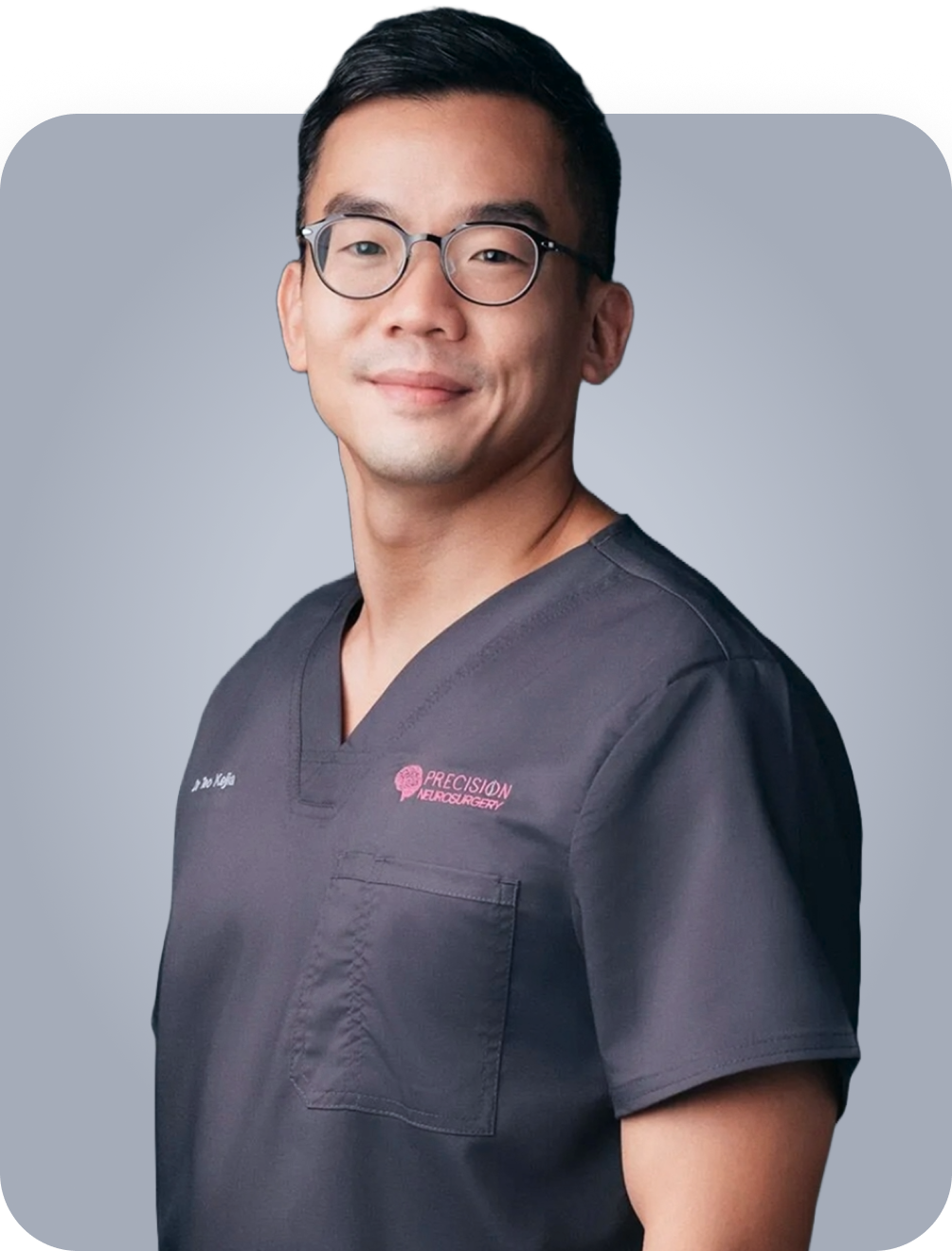
Dr Teo Kejia (张哿佳医生)

MBBS (SG) MRCS (Edin) FAMS (Neuro Surg) FRCS Ed (Neuro Surg) IFAANS

pexels ivan s 4989189 (1) Neurosurgical Care for Spine & Nerve Conditions in Singapore

When is a Neurological Assessment Helpful?

A neurosurgical consultation may be appropriate when spine symptoms involve:

  • Persistent or progressive nerve-related pain
  • Weakness, numbness, or altered sensation in the limbs
  • Coordination or balance difficulties
  • Imaging showing nerve or spinal cord compression
  • Symptoms that do not improve with initial conservative care
  • Consideration of spinal surgery or complex decision-making

Neurosurgeons are trained to manage both non-surgical and surgical pathways, with surgery considered only when benefits outweigh risks.

Spine & Nerve Conditions Commonly Assessed by Neurosurgeons

Degenerative and Compressive Conditions
  • Cervical, thoracic, and lumbar disc herniation
  • Spinal canal stenosis affecting nerve roots or the spinal cord
  • Degenerative spondylolisthesis with neurological symptoms
  • Facet-related pain with nerve involvement
Nerve-Related Syndromes
  • Sciatica and lumbar radiculopathy
  • Cervical radiculopathy causing arm symptoms
  • Myelopathy (spinal cord compression)
  • Cauda equina syndrome (medical emergency)
Structural & Complex Conditions
  • Adult spinal deformity with neurological impact
  • Spine tumours affecting neural structures
  • Traumatic spine injuries with nerve compromise
  • Post-surgical or recurrent nerve compression

Clinical Assessment

This may include:

  • MRI scans to assess discs, nerves, and the spinal cord

  • CT scans for bone anatomy and trauma

  • Dynamic X-rays for stability assessment

  • Neurophysiological tests (EMG / nerve conduction) in selected cases

Imaging findings are interpreted in a clinical context, as not all abnormalities require intervention.

Concerned about nerve compression or ongoing spine symptoms?

A neurosurgical evaluation can help clarify whether your symptoms are nerve-related and determine appropriate management options.

Treatment Options Overview

Conservative Management

Many spine conditions improve without surgery. Neurosurgeons may recommend:

  • Structured physiotherapy programmes
  • Activity modification and ergonomic strategies
  • Medications where appropriate
  • Image-guided spinal injections in selected cases
Surgical Interventions

Surgery is considered when there is:

  • Progressive neurological deficit
  • Persistent symptoms with correlating imaging findings
  • Spinal instability or significant neural compression
  • Emergency conditions (e.g. cauda equina syndrome)

Procedures may include:

  • Microdiscectomy
  • Decompression surgery
  • Stabilisation or fusion in selected cases
  • Minimally invasive or endoscopic techniques, when appropriate

Surgical recommendations are made after careful discussion of potential benefits, limitations, and risks.

Follow-up and Long Term Care

Post follow-up focuses on:

  • Neurological recovery and symptom monitoring
  • Imaging review when indicated
  • Coordination with rehabilitation services
  • Guidance on return to work and daily activities
  • Recovery timelines vary depending on the condition and
  • treatment approach.
Physiotherapy and Exercise

Rehabilitation can play a role in spine care. Initial therapy may focus on pain control and gentle mobilisation. Progressive strengthening can target the core muscles that support the spine. Flexibility exercises may help restore range of motion, whilst postural training might help prevent recurrence.

Neurosurgeons may work with physiotherapists to develop exercise programmes that match each recovery stage. Home exercise programmes can help maintain progress between supervised sessions. Activity-specific training may prepare patients for return to work and recreation.

Long-term Spine Health

Treatment may extend beyond symptom management. Lifestyle modifications that may be important for long-term spine health include:

  • Ergonomic education
  • Weight management strategies
  • Regular exercise habits

Patients may learn proper lifting techniques and positions for daily activities.

Periodic reassessment might help identify developing problems before they become symptomatic. Healthcare providers may offer guidance on managing age-related changes and preventing future injuries.

Urgent Symptoms Requiring Immediate Attention

When to See a Neurosurgeon

Certain symptoms warrant prompt evaluation at a spine clinic:

  • Severe, unrelenting pain not responding to rest or medications
  • Progressive weakness in arms or legs, such as difficulty lifting objects, walking, or gripping items
  • Loss of bowel or bladder control
  • Numbness in the groin area (saddle anaesthesia—loss of sensation in the area that would touch a saddle when sitting)
  • Fever with back pain suggesting infection
  • Significant trauma with spine pain, such as a fall, car accident, or sports injury

Early consultation at a spine clinic may improve outcomes. Timely intervention may help prevent progression of the condition and support treatment response.

ask us anything

Frequently Asked Questions

When should I see a neurosurgeon for spine problems?

A neurosurgical consultation may be appropriate if you have persistent back or neck pain that does not improve with initial treatment, or if symptoms involve nerve-related features such as numbness, tingling, weakness, or radiating pain into the arms or legs. Urgent assessment is required for symptoms such as progressive weakness, loss of bowel or bladder control, or numbness in the groin area.

Does seeing a neurosurgeon mean I will need surgery

Not necessarily. Many patients who consult a neurosurgeon do not require surgery. A neurosurgical assessment aims to determine the cause of symptoms and whether conservative management is appropriate. Surgery is considered only when potential benefits outweigh risks and when non-surgical options have been insufficient or are not suitable.

What symptoms suggest nerve or spinal cord compression?

Symptoms that may indicate nerve or spinal cord involvement include:

  • Radiating arm or leg pain
  • Numbness or tingling
  • Muscle weakness
  • Difficulty with balance or coordination
  • Changes in reflexes

A clinical examination and imaging help determine whether these symptoms are spine-related.

How do I know if my spine problem requires surgery?

Neurosurgeons typically consider surgery when:

  • Conservative treatments fail to provide adequate relief after several months
  • Neurological symptoms progressively worsen
  • Structural instability threatens spinal cord or nerve function

Our surgeon will carefully evaluate surgical indications based on your individual situation, including the severity of symptoms, impact on quality of life, imaging findings, and overall health status. Emergency surgery may be necessary for conditions like cauda equina syndrome or progressive paralysis. Most spine conditions can be treated non-surgically. Neurosurgeons thoroughly discuss the risks and benefits of surgery, helping patients make informed decisions.

Conclusion

Living with spine problems doesn’t mean accepting chronic pain or limited mobility as permanent. Spine clinics in Singapore offer comprehensive evaluation and treatment for various spinal conditions, from common disc problems like herniated discs that press on nerves to complex deformities such as scoliosis or spinal misalignment. With a qualified neurosurgeon using established diagnostic and treatment methods, patients receive care tailored to their specific needs and goals.

Whether your symptoms just started or you’ve struggled with spine issues for years, professional evaluation can help identify treatment options you may not have considered. A multidisciplinary approach ensures every aspect of your spine health receives appropriate attention, including symptom management through pain management and mobility support, as well as long-term prevention strategies.

Ready to Take the Next Step?

If you’re experiencing back pain, neck discomfort, or other spine-related symptoms such as numbness, tingling, or difficulty moving, consult a neurosurgeon to understand your condition and explore treatment options. With experience in both conservative approaches, such as physiotherapy and medication, as well as surgical spine care, qualified healthcare professionals can provide personalised treatment throughout your recovery journey.

doctor desktop w alpha doctor mobile w alpha

Dr Teo Kejia 张哿佳医生

MBBS (SG)MRCS (Edin)FAMSFRCS EdIFAANS

Dr Teo Kejia is an experienced Senior Consultant Neurosurgeon and Director at Precision Neurosurgery.

Dr Teo has extensive knowledge and experience in the field of neurosurgery, with a particular focus on complex brain tumour procedures. He is adept in employing advanced surgical techniques, including brain mapping and awake brain surgery, especially for treating gliomas and glioblastomas. His expertise extends to neuro-oncology, encompassing both brain and spinal tumours, as well as neurovascular and skull base surgery.

Additionally, Dr Teo offers treatment for a range of neurological conditions, such as traumatic head injuries, intracerebral aneurysms, and degenerative spine disorders, which include neck and back pain. He is also proficient in managing ischemic and haemorrhagic strokes, hydrocephalus, trigeminal neuralgia, and hemifacial spasm.

Make an Enquiry

Got Questions? Please fill in the enquiry form below and we look forward to addressing your question.

    Full Name*

    Email Address*

    Phone Number*

    Your Message*

    For Faster Response, Call us!

    +65‎ 6956‎ 6588

    Corporate & Personal Insurance Plans

    For Singaporeans, Singapore Permanent Residents and Foreigners.

    Please speak to our friendly clinic staff about using your insurance plans.