Neurosurgeon and Brain Specialist Consultation in Singapore: A Comprehensive Clinical Guide

Navigating a neurological diagnosis can be a challenging experience for patients and their families. Conditions affecting the brain, spine, and peripheral nerves often manifest as life-altering symptoms such as persistent pain, loss of motor function, or sensory changes. Finding a suitable neurosurgeon in Singapore is a critical step in addressing these concerns through evidence-based assessment and management.

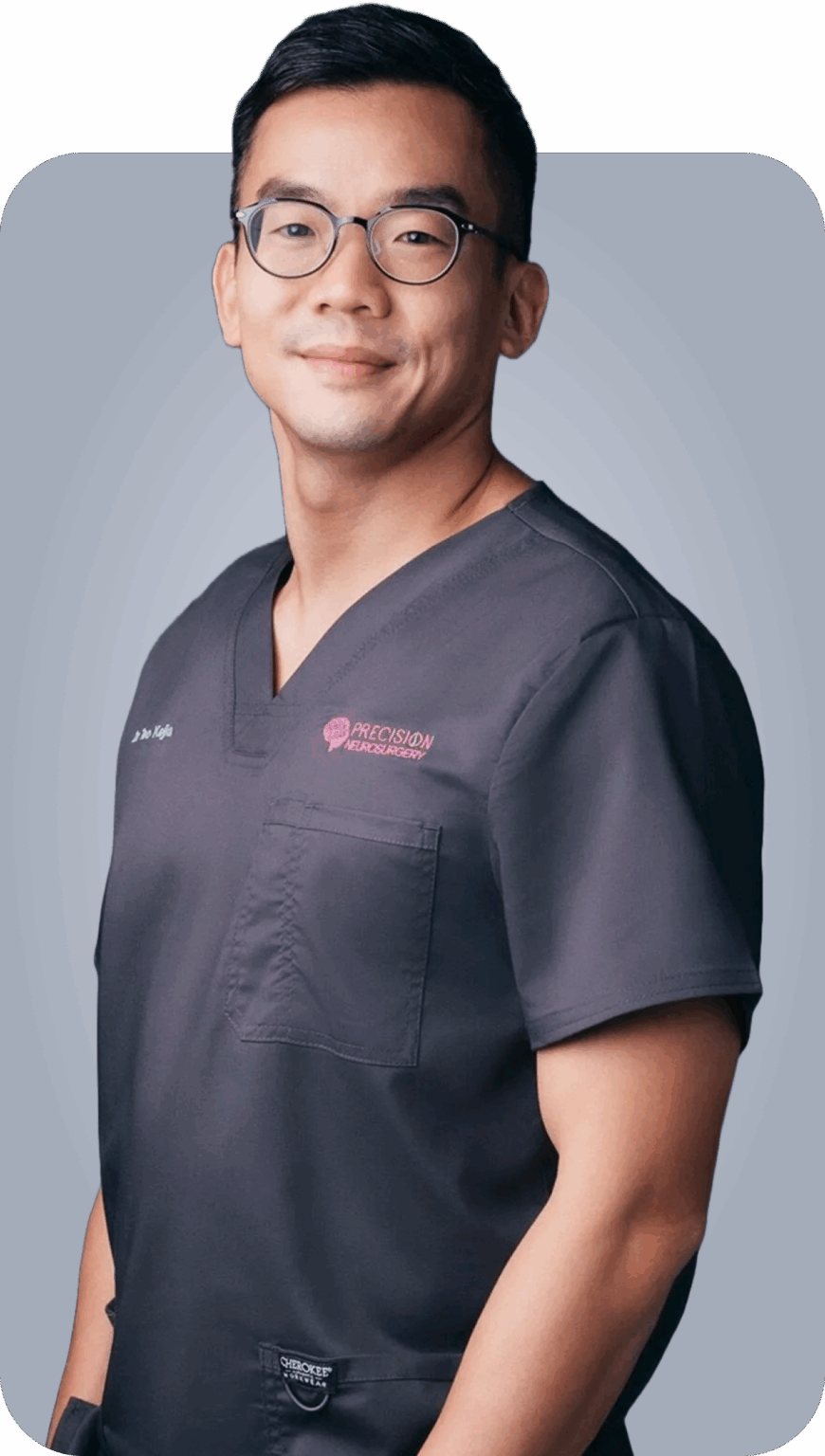
Dr Teo Kejia provides neurological surgical care for a wide spectrum of disorders. With a focus on both traditional open surgery and modern minimally invasive techniques, the goal of his practice is to offer personalised care pathways. This guide explores the field of neurosurgery, the conditions treated, the consultation process, and the recovery journey for patients in Singapore.

doctor img
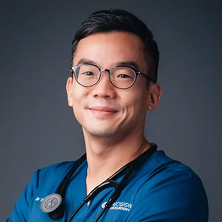
Dr Teo Kejia (张哿佳医生)

MBBS (SG) MRCS (Edin) FAMS (Neuro Surg) FRCS Ed (Neuro Surg) IFAANS

pexels shvetsa 4226216 Neurosurgeon and Brain Specialist Consultation in Singapore: A Comprehensive Clinical Guide

What is Neurosurgery?

Neurosurgery is a highly specialised branch of medicine dedicated to the surgical and non-surgical management of disorders affecting the central and peripheral nervous systems. This includes the brain, the spinal cord, and the network of nerves that communicate with the rest of the body.

A neurosurgeon in Singapore undergoes rigorous training, including medical school, a multi-year residency, and often sub-speciality fellowships. This training allows them to perform intricate procedures on delicate structures where precision is paramount. Modern neurosurgery is not only about the act of surgery itself but also involves advanced diagnostics and post-operative rehabilitation.

The field has evolved to prioritise the preservation of neurological function. Contemporary neurosurgeons often work alongside neurologists, oncologists, and radiologists to provide multidisciplinary care. In Singapore, this collaborative approach ensures that surgery is considered alongside other treatment modalities to support patient outcomes.
Conditions Managed by Dr Teo Kejia

The human nervous system is complex, and neurosurgical conditions can arise from trauma, congenital factors, or degenerative changes.

Brain Conditions

Dr Teo manages various intracranial disorders that may require surgical intervention or specialised monitoring:

  • Brain Tumours: This includes primary tumours like gliomas (which originate in the brain’s supportive tissue) and meningiomas (usually slow-growing tumours in the brain’s protective linings). It also includes metastatic tumours, which are cancers that have spread to the brain from other organs.
  • Cerebrovascular Conditions: These involve the blood vessels of the brain. Common conditions include aneurysms (a bulge in a blood vessel wall) and arteriovenous malformations (AVMs), which are abnormal tangles of vessels that can disrupt blood flow or cause bleeding.
  • Hydrocephalus: A condition where excess cerebrospinal fluid builds up in the brain’s cavities, potentially increasing intracranial pressure. This may affect both adults and children.
  • Functional Disorders: Conditions such as trigeminal neuralgia, which causes severe facial pain, or hemifacial spasms, are characterised by involuntary muscle twitching.
  • Traumatic Brain Injuries: Emergency and elective management of head trauma, including the removal of blood clots (haematomas) to relieve pressure on brain tissue.
Spinal Conditions

Spine surgery is a significant component of neurosurgical practice, addressing the vertebral column and the spinal cord:

  • Degenerative Disc Disease: As people age, the discs between vertebrae can wear down or herniate, potentially compressing nearby nerves and causing pain or weakness.
  • Spinal Stenosis: A narrowing of the spaces within the spine, which can put pressure on the nerves that travel through the spine.
  • Spinal Tumours: Abnormal growths that can occur within the spinal cord or on the bones of the spine.
  • Spinal Deformities: Conditions such as scoliosis (an abnormal curve of the spine) that may require corrective surgery.
  • Infections and Fractures: Management of conditions like discitis (disc infection) or vertebral fractures caused by trauma or osteoporosis.
Peripheral Nerve Conditions

Neurosurgery also covers the nerves outside the brain and spinal cord:

  • Nerve Entrapment: Conditions like carpal tunnel syndrome (wrist) or ulnar nerve entrapment (elbow), where nerves are compressed by surrounding tissue.
  • Peripheral Nerve Tumours: Growths that develop on the nerves in the arms or legs.
  • Nerve Injuries: Repair or reconstruction of nerves that have been damaged by trauma.

Clinical Neurological Assessment

The foundation of any neurosurgical consultation is the clinical examination. Dr Teo performs a systematic evaluation to understand how the nervous system is functioning:

  • Mental Status: Assessing cognitive functions like memory and orientation.
  • Cranial Nerves: Checking vision, eye movement, facial sensation, and hearing.
  • Motor System: Testing muscle strength and tone across the limbs.
  • Sensory System: Evaluating the patient’s ability to feel touch, temperature, and vibration.
  • Coordination and Gait: Observing balance and walking patterns.

Advanced Neuroimaging

Singapore’s medical facilities provide access to high-end imaging technologies that allow for a “virtual” view of the nervous system:

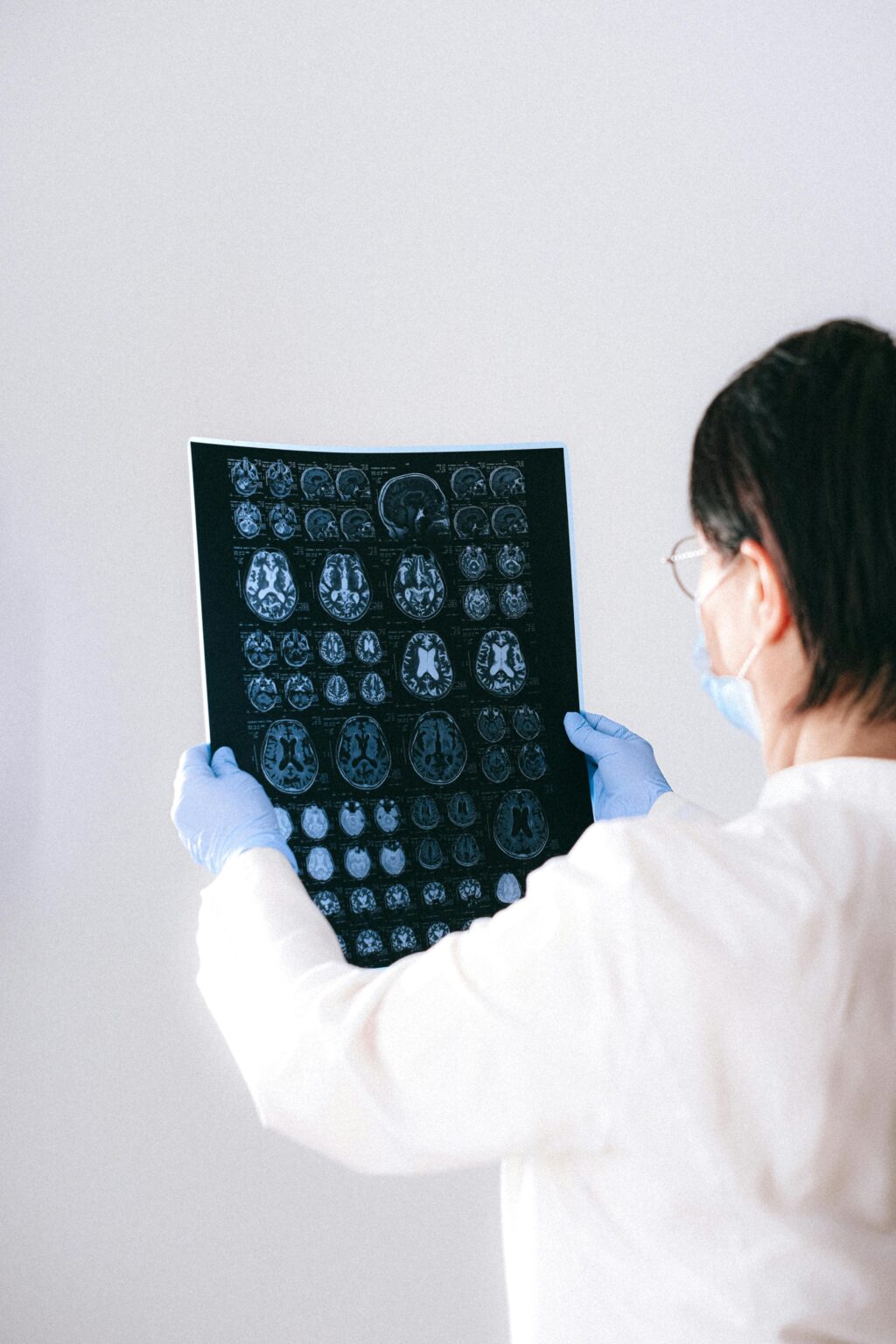
  • Magnetic Resonance Imaging (MRI): Uses magnetic fields to provide detailed images of soft tissues, which is essential for identifying tumours or inflammation.
  • Computed Tomography (CT) Scan: Often used in emergency settings to quickly identify bone fractures or acute bleeding in the brain.
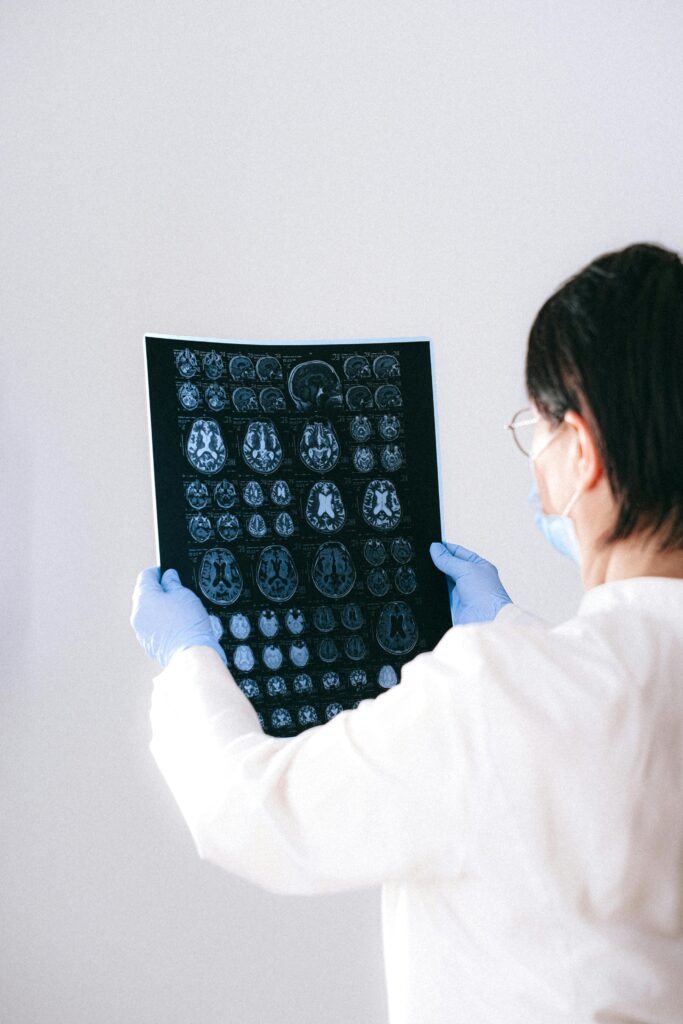
  • Functional MRI (fMRI): This technology maps brain activity by measuring blood flow, helping surgeons identify which areas of the brain control speech or movement before an operation.
  • Angiography: Specifically used to visualise the blood vessels in the brain or spine to detect aneurysms or malformations.

Neurosurgical Techniques & Approaches

Modern neurosurgery is characterised by a “minimally invasive” philosophy, aiming to achieve surgical goals with the least possible impact on healthy tissue.

Microscopic Neurosurgery

The use of high-powered surgical microscopes is standard for many procedures. This technology provides the illumination and magnification necessary to work on blood vessels or nerves that are only millimetres in diameter. This precision may help in preserving delicate neural structures during tumour removal or aneurysm clipping.

Minimally Invasive and Endoscopic Surgery
  • Endoscopic Surgery: A thin tube with a camera (endoscope) is inserted through a small opening. This is often used for pituitary gland tumours or certain types of hydrocephalus.
  • Keyhole Surgery: Small incisions are used instead of large openings, which may help reduce post-operative pain and lead to a faster recovery for suitable candidates.
  • Minimally Invasive Spine Surgery (MISS): Techniques that use tubular retractors to reach the spine with minimal disruption to the back muscles.
Computer-Assisted Navigation

Often described as “GPS for the brain,” intraoperative navigation systems use the patient’s pre-operative scans to guide the surgeon in real-time. This can be particularly useful for locating deep-seated tumours or ensuring the precise placement of spinal screws.

Awake Craniotomy

In cases where a tumour is located near the brain’s language or motor centres, an awake craniotomy may be performed. By keeping the patient conscious during the mapping phase, the surgeon can interact with the patient to ensure that critical functions are maintained throughout the procedure.

Considering neurosurgical treatment options?

Schedule a consultation to discuss approaches that may be suitable for your condition.

Consultation and Treatment Journey


Initial Consultation The first meeting with Dr Teo involves a detailed discussion of your symptoms, medical history, and lifestyle. This is the time to review any existing scans and perform a physical exam. Dr Teo will explain the diagnosis in plain language and discuss whether the condition requires surgery or if conservative management (such as medication or physiotherapy) is a viable first step.
 

Pre-Surgical Preparation

If surgery is required, the preparation phase ensures you are medically ready. This may include:

  • Pre-operative Blood Tests: To check for infections or clotting issues.
  • Cardiac Clearance: An assessment by a cardiologist to ensure your heart can safely handle anaesthesia.
  • Medication Review: You may be asked to stop certain medications, such as blood thinners, several days before the procedure.
  • Fasting Instructions: Standard protocols for surgery under anaesthesia.
Surgical Procedure On the day of surgery, a multidisciplinary team—including anaesthesiologists, nurses, and technicians—works together. Depending on the complexity, surgery can last from one hour to several hours. For many procedures, intraoperative neurophysiological monitoring is used to track the health of the brain or spinal cord in real-time during the operation.
Post-Operative Care After the procedure, you will be monitored in the recovery ward. For more complex cases, a stay in the Intensive Care Unit (ICU) or High Dependency (HD) ward may be necessary for close observation of your neurological status. The medical team will focus on pain management and early mobilisation, which can help prevent complications like blood clots.

Recovery & Aftercare

Recovery from neurosurgery is a gradual process that varies from patient to patient.

Immediate Recovery (The First Week)

In the first few days after surgery, the focus is on wound healing and monitoring for any neurological changes. You may experience some fatigue or mild discomfort at the surgical site. A physiotherapist will often visit you in the hospital to begin gentle exercises.

Intermediate Recovery (Weeks 2–6)

Once home, you will need to follow specific care instructions:

  • Incision Care: Keeping the surgical site dry and clean.
  • Activity Levels: Avoiding heavy lifting or strenuous exercise until cleared by your doctor.
  • Follow-up Appointments: These are essential to monitor your progress and remove any stitches or staples.
Long-term Rehabilitation

For some patients, the journey to full recovery involves rehabilitation to regain strength or function:

  • Physiotherapy: Focusing on mobility, balance, and strength.
  • Occupational Therapy: Helping patients return to daily tasks like dressing or cooking.
  • Speech Therapy: Necessary if the surgery affected the brain’s language centres.

Common Considerations

  • General Risks: These include infection, bleeding at the surgical site, and reactions to anaesthesia.
  • Temporary Symptoms: Swelling after surgery can lead to temporary numbness, weakness, or headaches as the brain or spine heals.

Specific Neurological Risks

  • Functional Changes: Depending on the location of the surgery, there may be changes in motor function or sensation.
  • Cerebrospinal Fluid (CSF) Leak: A rare occurrence where the fluid surrounding the brain escapes through the surgical site.
  • Seizures: Brain surgery can sometimes trigger seizures, which are often managed with temporary medication.

Cost Considerations in Singapore

The cost of neurosurgical care is influenced by the complexity of the condition and the technology required. Factors include:

  • Surgeon and Anaesthetist Fees

  • Hospital Facility Charges: Which vary between ward types and hospitals.

  • Operating Theatre Time and Specialised Equipment: Such as the use of surgical robots or navigation systems.

  • Implants: In spine surgery, this includes screws, plates, or cages.

Hospitals in Singapore provide financial counselling to help patients understand their estimated bills and explore insurance coverage, such as Integrated Shield Plans.

ask us anything

Frequently Asked Questions

When should I see a neurosurgeon?

A consultation is appropriate if you experience persistent neurological symptoms like chronic pain, unexplained weakness, numbness, or if a scan has identified a growth in the brain or spine.

Is neurosurgery always the first option?

No. Many conditions, such as certain herniated discs or small benign tumours, may be managed through observation, medication, or physiotherapy. Surgery is generally considered when conservative treatments are not suitable or if the condition is progressive.

How long will I stay in the hospital?

For minor procedures, you might go home the next day. For major brain or spine surgery, the stay typically ranges from three to seven days.

Will I need to take long-term medication after surgery?

This depends on your condition. Some patients may need temporary anti-seizure or anti-inflammatory medication, while others may not require any long-term drugs.

Can I drive after brain surgery?

Driving restrictions vary based on the type of surgery and whether you have experienced seizures. Your neurosurgeon will provide a timeline for when it is safe to return to driving.

Conclusion

Neurosurgical care in Singapore is built upon a foundation of clinical expertise and advanced technology. Whether you are dealing with a complex brain tumour, a debilitating spinal condition, or a peripheral nerve issue, Dr Teo Kejia provides a patient-centred approach focused on thorough evaluation and precise management.

Choosing the right care path is a collaborative process between the patient and the surgical team. By understanding the diagnostic steps, the surgical options, and the recovery process, you can move forward with greater confidence in your neurological health journey.

Ready to Take the Next Step?

If you are experiencing neurological symptoms or have been diagnosed with a condition that requires specialist evaluation, we are here to help. Schedule a consultation today to understand your options.

doctor desktop w alpha doctor mobile w alpha

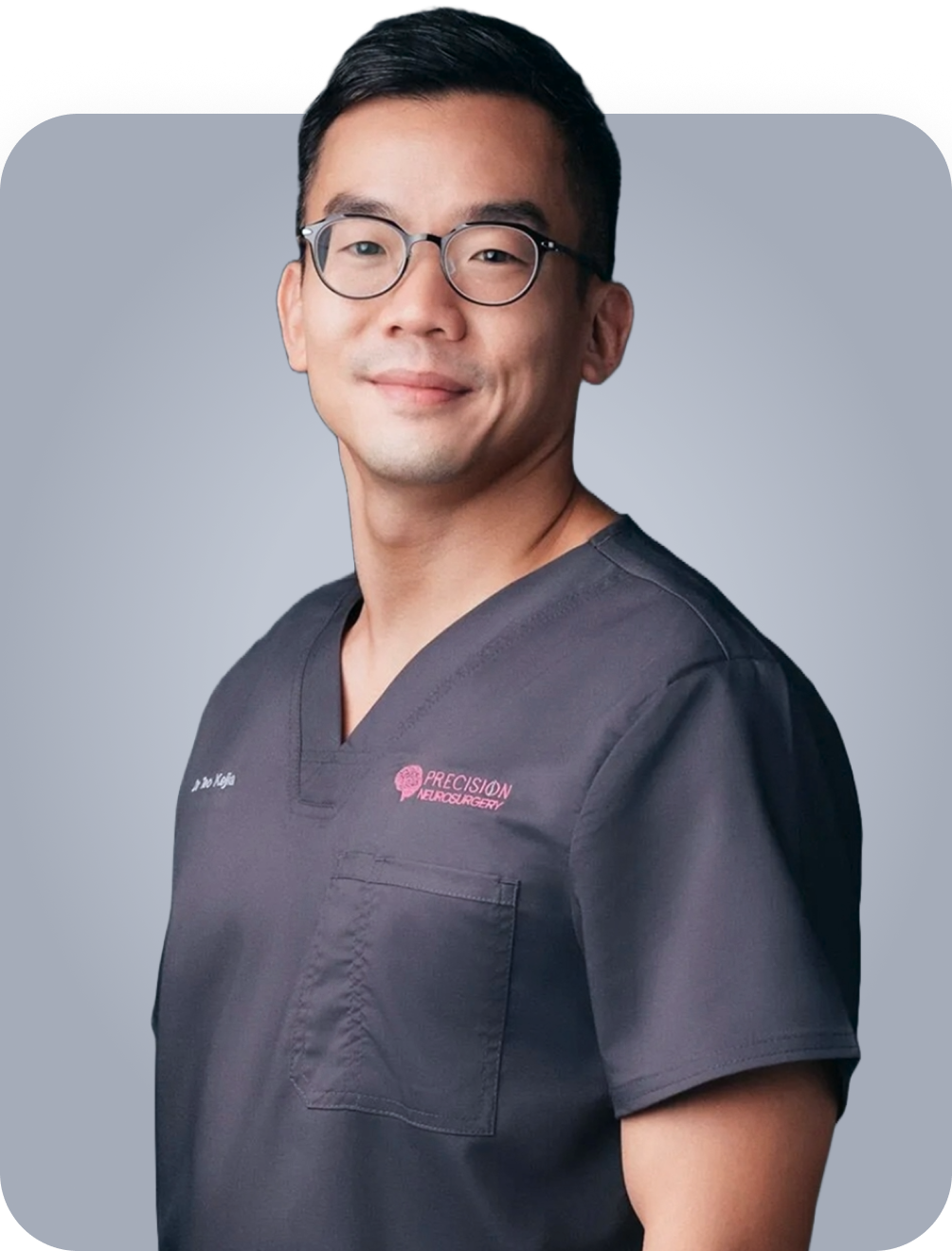
Dr Teo Kejia 张哿佳医生

MBBS (SG)MRCS (Edin)FAMSFRCS EdIFAANS

Dr Teo Kejia is an experienced Senior Consultant Neurosurgeon and Director at Precision Neurosurgery.

Dr Teo has extensive knowledge and experience in the field of neurosurgery, with a particular focus on complex brain tumour procedures. He is adept in employing advanced surgical techniques, including brain mapping and awake brain surgery, especially for treating gliomas and glioblastomas. His expertise extends to neuro-oncology, encompassing both brain and spinal tumours, as well as neurovascular and skull base surgery.

Additionally, Dr Teo offers treatment for a range of neurological conditions, such as traumatic head injuries, intracerebral aneurysms, and degenerative spine disorders, which include neck and back pain. He is also proficient in managing ischemic and haemorrhagic strokes, hydrocephalus, trigeminal neuralgia, and hemifacial spasm.

Make an Enquiry

Got Questions? Please fill in the enquiry form below and we look forward to addressing your question.

    Full Name*

    Email Address*

    Phone Number*

    Your Message*

    For Faster Response, Call us!

    +65‎ 6956‎ 6588

    Corporate & Personal Insurance Plans

    For Singaporeans, Singapore Permanent Residents and Foreigners.

    Please speak to our friendly clinic staff about using your insurance plans.