Suffering From Degenerative Spine Conditions? Your Guide to Seeing a Spine Specialist in Singapore
Degenerative spine conditions refer to disorders that occur when there is a gradual deterioration of
acf domain was triggered too early. This is usually an indicator for some code in the plugin or theme running too early. Translations should be loaded at the init action or later. Please see Debugging in WordPress for more information. (This message was added in version 6.7.0.) in /home/precisio/public_html/wp-includes/functions.php on line 6121
Our brains are at the core of everything we do—our thoughts, memories, movements, and even our emotions. Hence, it can be overwhelming. when something goes wrong with the brain Brain tumours, whether benign or malignant, can disrupt this delicate balance and present serious health risks. However, early diagnosis and timely treatment can significantly improve the chances of a successful recovery.
A brain tumour is an abnormal growth of cells within the brain or surrounding tissues. These tumours can be classified as benign (non-cancerous) or malignant (cancerous). While benign tumours grow slowly and may not spread, they can still cause significant problems depending on their size and location. Malignant tumours, on the other hand, are more aggressive and can invade nearby tissues, making them more dangerous.
Regardless of whether a tumour is benign or malignant, its presence within the brain is a serious condition that requires expert attention. If left untreated, brain tumours can lead to irreversible damage or even death.
Brain tumours often cause a range of symptoms, which can vary depending on the tumour’s size, type, and location. Some common signs include:
While both benign and malignant brain tumours can have serious consequences, the treatment and outlook for each can differ significantly. Benign tumours are typically slower-growing and less likely to spread, but they can still be life-threatening if located in critical areas of the brain. Malignant tumours, being cancerous, often require more aggressive treatments such as surgery, radiation, or chemotherapy. The challenge with malignant tumours is that they can spread to other areas, making them harder to treat.
In either case, a skilled brain tumour surgeon in Singapore can guide you through the most appropriate treatment options, whether it’s surgery, radiation therapy, or a combination of both.
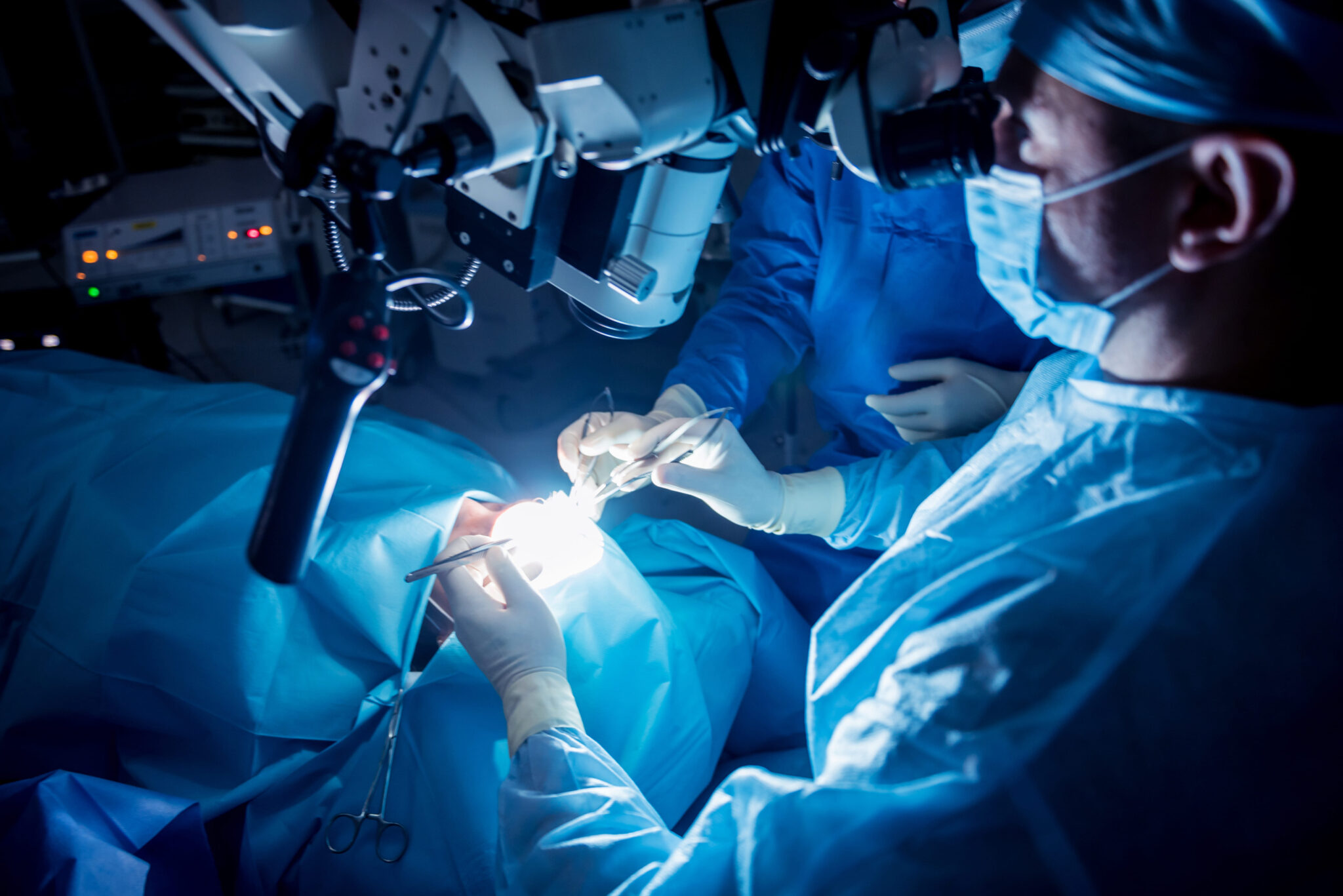
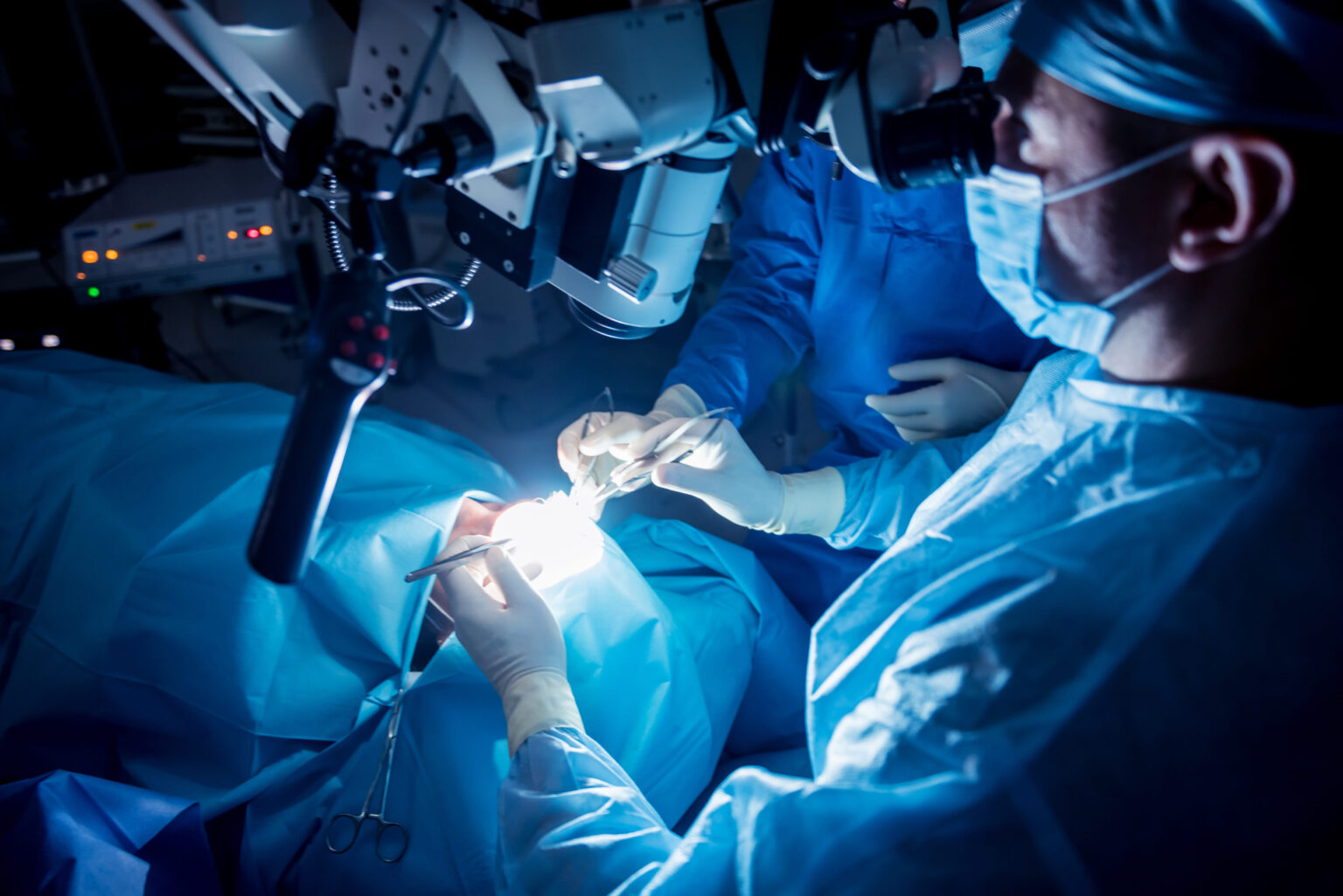
Brain surgery is among the most complex medical procedures due to the delicate and intricate structure of the brain. Successfully removing a brain tumour requires not only surgical skill but also a deep understanding of the brain’s functional anatomy. Advanced techniques such as awake brain surgery allow the surgeon to interact with the patient during the procedure, enabling real-time brain mapping. This ensures that critical areas responsible for speech, movement, and memory are preserved while achieving maximal tumour removal.
Choosing a neurosurgeon with substantial experience in brain tumour surgery is therefore essential—not only for achieving the best possible clinical outcome, but also for preserving the patient’s quality of life.
A misdiagnosis or delay in treatment can have dire consequences when dealing with brain tumours. Brain tumours, particularly malignant ones, can proliferate, and any delay in diagnosis or treatment can lead to further complications. Misdiagnosis is another major risk. Inaccurate assessments can delay effective treatment, potentially allowing the tumour to grow and invade other parts of the brain.
When choosing a brain tumour surgeon, it’s important to ensure they have specialised training and experience in treating brain tumours. Neurosurgeons who focus on brain tumours are more likely to be skilled at identifying the specific challenges that come with each case. The more experienced a surgeon is, the better they can manage complex cases and reduce the risks associated with surgery.
Brain tumour surgery often requires advanced technologies to ensure the best possible outcome. Tools like intraoperative MRI and stereotactic navigation help surgeons precisely map out the tumour’s location. These technologies allow surgeons to remove the tumour more accurately, minimising the risk of surrounding healthy tissue.
A good brain tumour surgeon will take a patient-centred approach, focusing on providing care tailored to your specific needs. They will take the time to explain the diagnosis, discuss all treatment options, and answer any questions you may have. Surgery can be a daunting experience, but a compassionate surgeon can make the process feel more manageable and reassure you every step of the way.
At Precision Neurosurgery, we understand that brain health is vital to your overall well-being. Our team, led by renowned brain tumour surgeon in Singapore, Dr. Teo Kejia, is dedicated to providing the highest standard of personalized care.
Dr. Teo’s commitment to individualized treatment ensures that every patient receives a plan tailored to their specific condition, maximizing the chances of the best possible outcome. Whether you require surgery or are exploring other treatment options, you will be supported every step of the way with compassion and expertise.
At Precision Neurosurgery, we focus on more than just the surgical procedure — we focus on treating the whole patient. From your initial consultation through post-operative recovery, our experienced team provides comprehensive care. We take the time to explain every step of your journey, empowering you to make informed decisions about your health.
Your first step will be a thorough consultation, where the surgeon will take a detailed medical history and conduct tests. Imaging technologies such as MRI or CT scans will be used to locate and assess the tumour. This step is crucial for creating an effective treatment plan tailored to your needs.
Once the tumour has been identified and assessed, your surgeon will explain the best course of action. You’ll be part of the decision-making process, whether it’s surgery, radiation, or another treatment. Dr. Teo and the team will ensure you are fully prepared for the procedure, answering any questions you may have.
After surgery, you will be carefully monitored in a hospital setting. Recovery times can vary, but most patients experience a relatively quick recovery due to the minimally invasive techniques employed. Your surgeon will provide a detailed post-operative care plan, ensuring a smooth transition back to normal life.

Experiencing Hip or Knee Pain?
Alleviate Pain with Trusted Orthopaedic Care
OrthoKau offers comprehensive, patient-centered care for a range of orthopaedic conditions.
Make An EnquiryIs brain tumour surgery safe?
Yes, brain tumour surgery is generally very safe when performed by an experienced and highly skilled surgeon. Technology advancements have made brain surgery more precise, reducing risks and improving outcomes.
How long is the recovery period?
Recovery times vary depending on the complexity of the surgery. However, many patients can expect to return to light activities within a few weeks, with a full recovery taking a few months.
What support is available after surgery?
We offer various support services after surgery, including follow-up consultations, physiotherapy, and emotional support. Our team is dedicated to helping you throughout your recovery journey.

If you or a loved one has been diagnosed with a brain tumour, choosing the right brain surgeon in Singapore is vital. With the right expertise and advanced technology, you can approach your treatment with confidence and trust that you’re in capable hands.
At Precision Neurosurgery, the team led by Dr Teo Kejia are here to help you navigate your brain tumour diagnosis and provide the best possible treatment to achieve a successful recovery.
Consult with Dr Teo for a comprehensive evaluation and a personalised treatment plan.
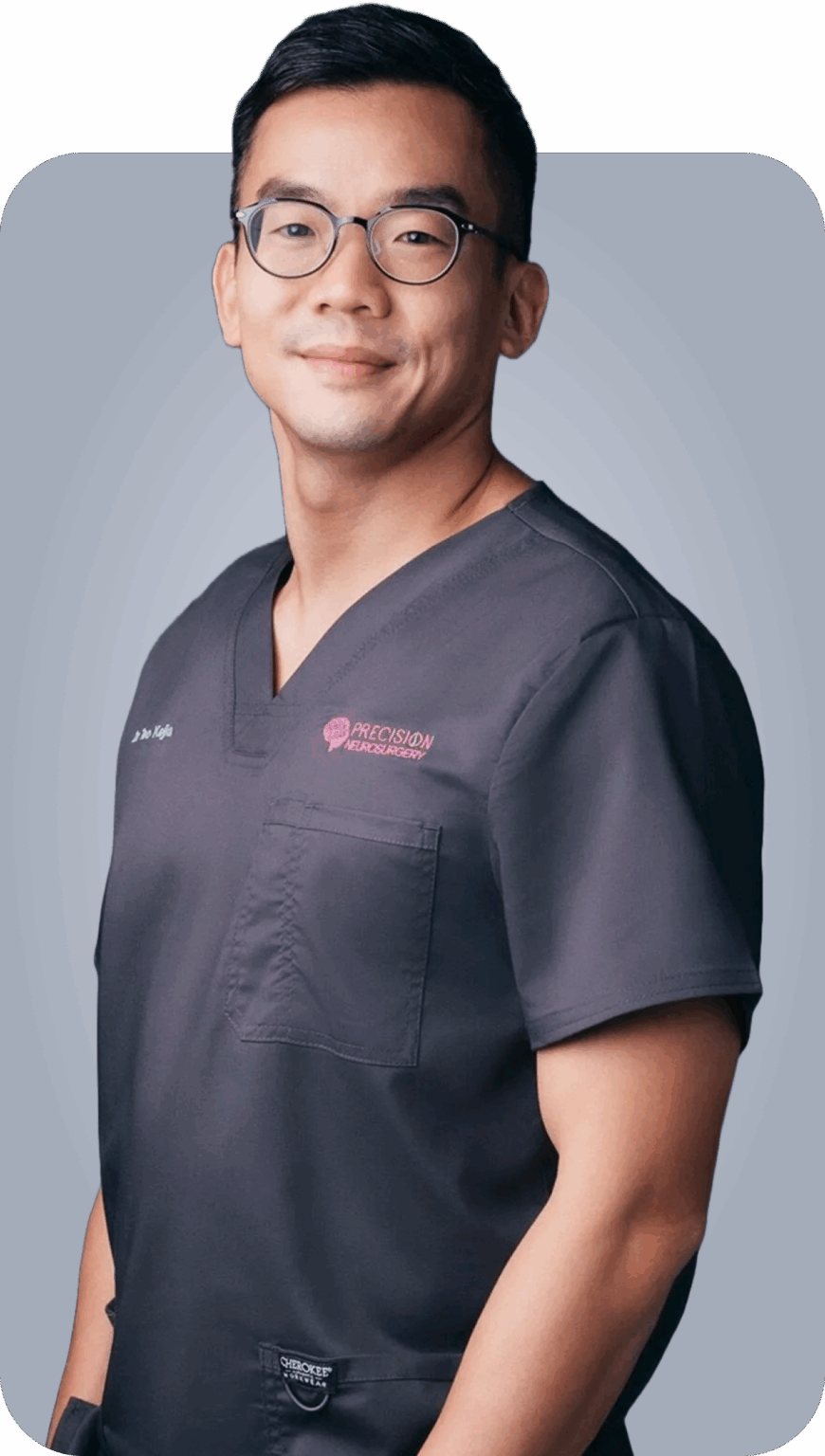
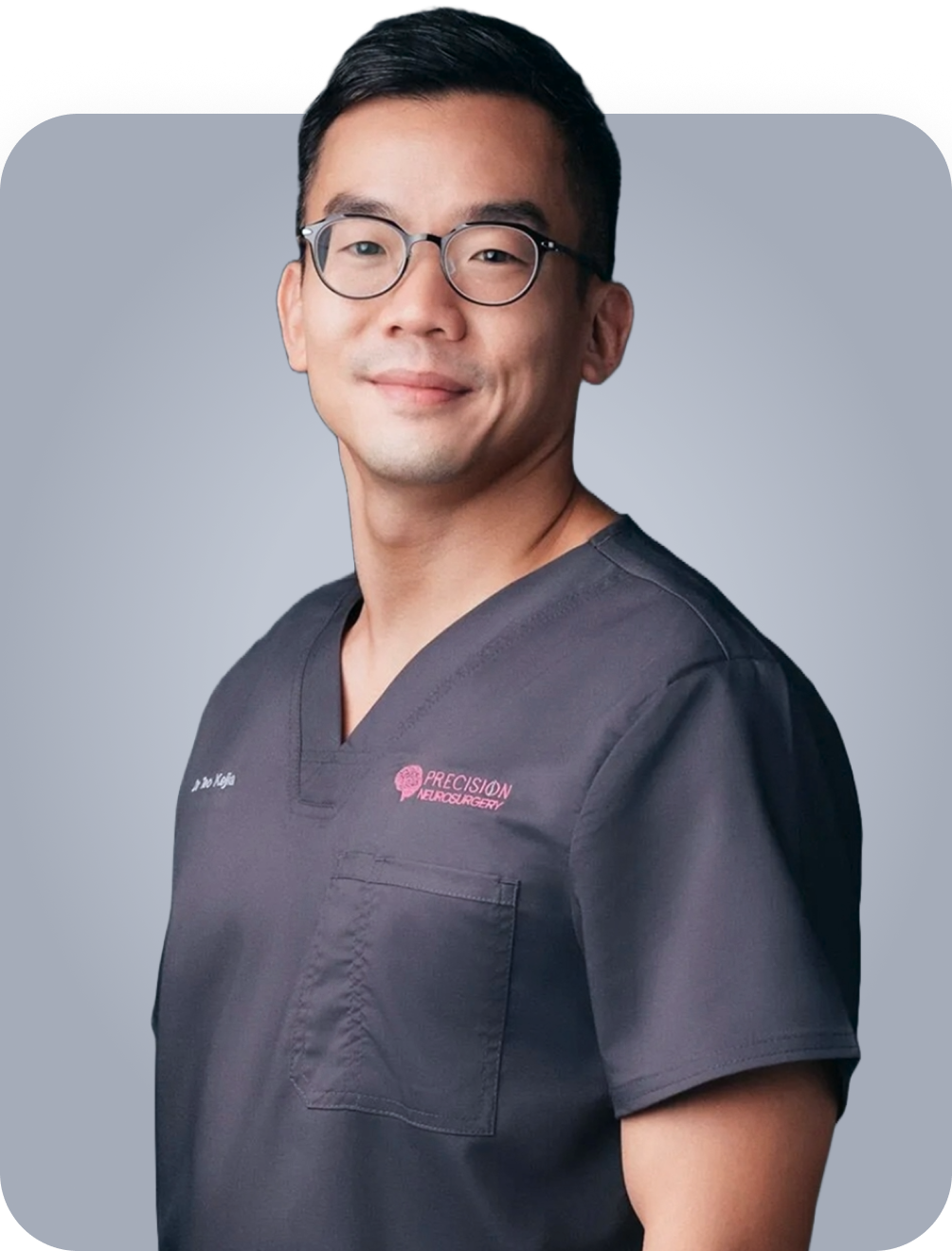
Dr Teo Kejia is a Senior Consultant Neurosurgeon and Medical Director at Precision Neurosurgery, with more than 15 years of clinical experience.
Dr Teo has extensive knowledge and experience in the field of neurosurgery, with a particular focus on complex brain tumour procedures. He is adept in employing advanced surgical techniques, including brain mapping and awake brain surgery, especially for treating gliomas and glioblastomas. His expertise extends to neuro-oncology, encompassing both brain and spinal tumours, as well as neurovascular and skull base surgery.
Additionally, Dr Teo offers treatment for a range of neurological conditions, such as traumatic head injuries, intracerebral aneurysms, and degenerative spine disorders, which include neck and back pain. He is also proficient in managing ischemic and haemorrhagic strokes, hydrocephalus, trigeminal neuralgia, and hemifacial spasm.
Have a question or need more information? Please fill in the form below, and our team will assist you.
Degenerative spine conditions refer to disorders that occur when there is a gradual deterioration of
Beyond conventional surgical treatments, awake brain surgery presents the intersection of precision,
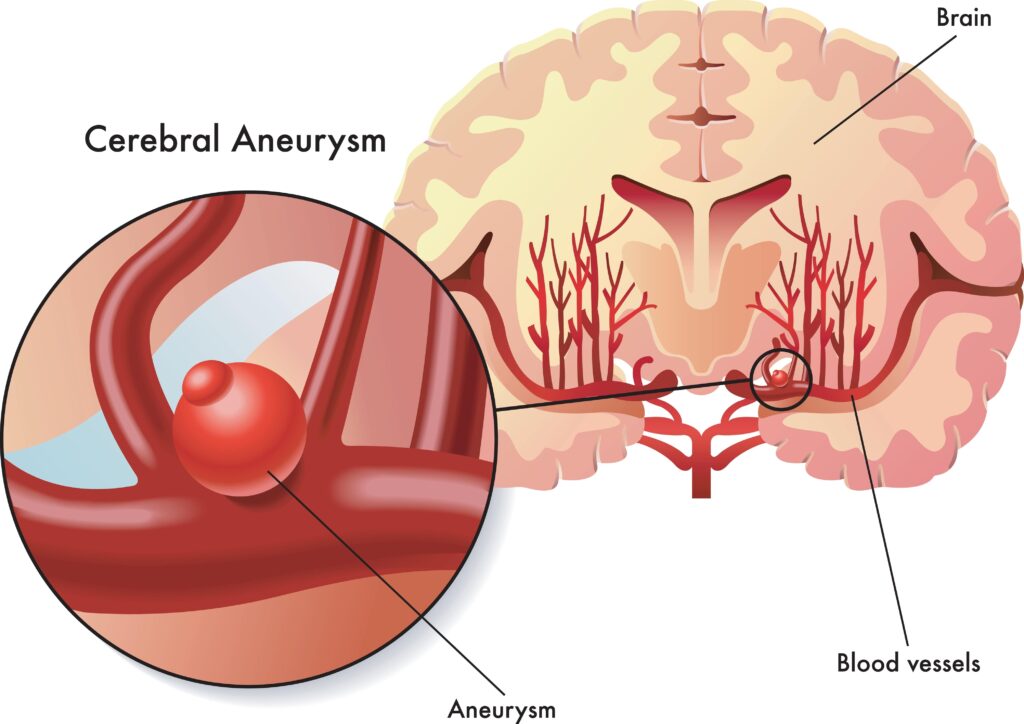
Brain aneurysms can severely impact lifestyle and is best to be treated at the earliest sign. There
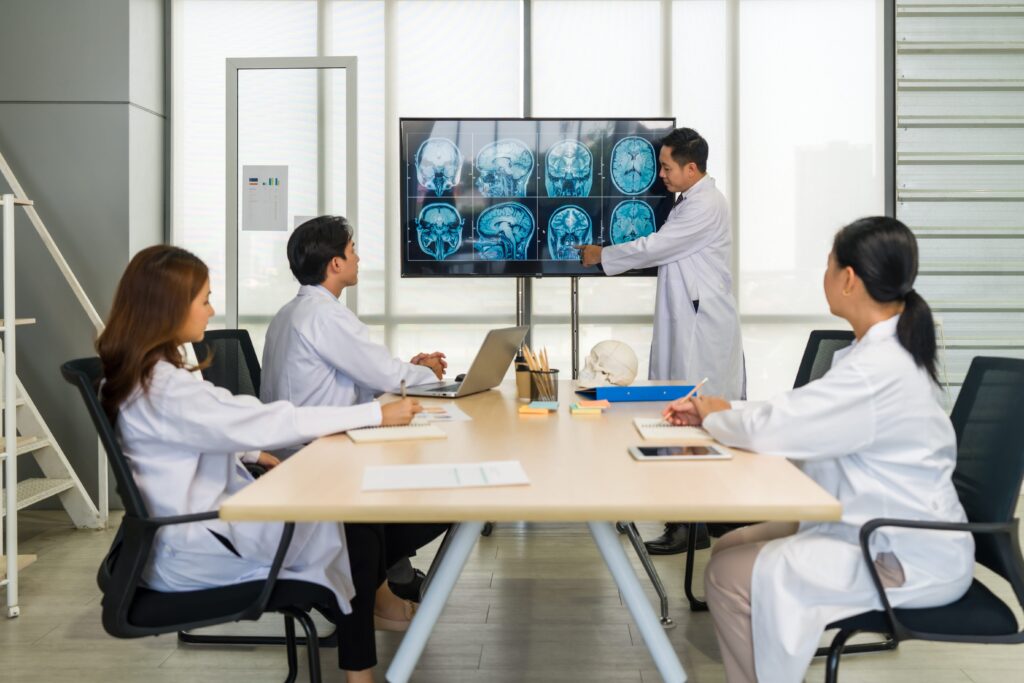
Living with a brain tumour can be a daunting journey filled with uncertainty and questions. From und

While occasional headaches are common and often not a cause for concern, frequent headaches accompan
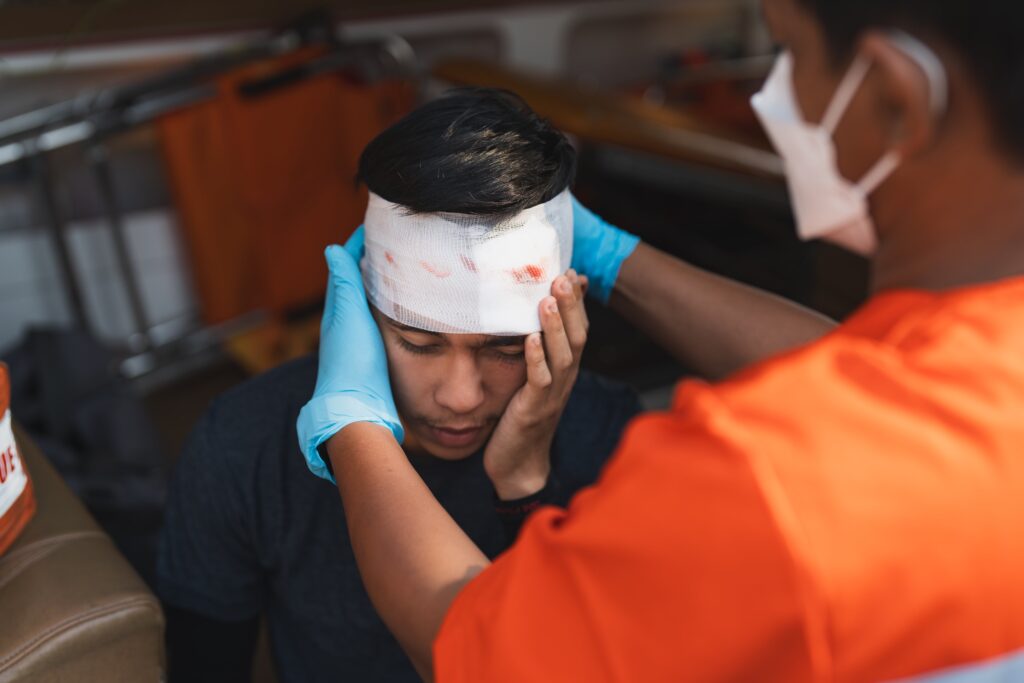
Head injuries, commonly referred to as traumatic brain injuries (TBI), refer to a traumatic experien
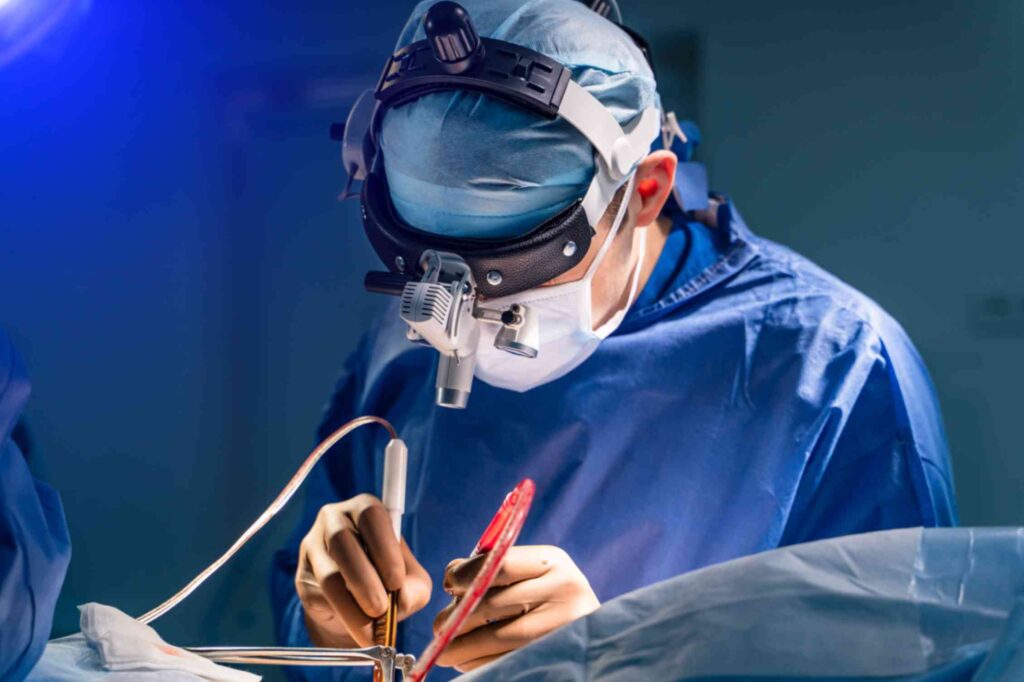
Neurological irregularities can impact your life subtly and can be easily shrugged off as tiredness