
Head Trauma and Injury Specialist Care in Singapore

Experiencing a head injury, also known as a traumatic brain injury (TBI), can be concerning for both patients and their families. Whether caused by accidents, falls, or sports-related injuries, head trauma requires medical evaluation to identify the type and extent of injury and guide appropriate management.

Neurosurgeons understand the complex nature of head injuries and assess injuries affecting the brain, skull, and surrounding structures. They work with patients to guide care for both immediate management and long-term recovery needs.

doctor img
Dr Teo Kejia (张哿佳医生)

MBBS (SG) MRCS (Edin) FAMS (Neuro Surg) FRCS Ed (Neuro Surg) IFAANS

pexels mart production 7089020 Head Trauma and Injury Specialist Care in Singapore

What is Head Trauma and Injury Specialist Care?

Head trauma specialist care involves diagnosis, treatment, and management of injuries affecting the head, brain, and related structures. The neurosurgeon evaluates the severity of the head injury, implementing treatment strategies tailored to individual needs, and monitors recovery to help prevent complications.

Specialists manage a wide spectrum of conditions, from mild concussions to severe traumatic brain injuries (TBI), which occur when an external force causes damage to the brain. Diagnostic tools are used to determine the extent of injury and guide treatment:

  • Neurological examinations (checking brain and nerve function)
  • Imaging studies (such as CT scans or MRIs)
  • Cognitive assessments (evaluate thinking, memory, and concentration)

The approach to head trauma care involves both immediate treatment following injury and long-term rehabilitation planning. Specialists coordinate with multidisciplinary approaches to address multiple aspects of recovery. Treatment may range from observation and medication management to surgical intervention for severe cases.

Assessing Severity: Glasgow Coma Scale (GCS)

The GCS is commonly used to assess consciousness after head injury. Scores help determine TBI severity:

Severity of TBI GSC Score Description
Mild 13-15 Minor Confusion, may be fully alert
Moderate 9-12 Decreased consciousness disorientation
Severe 3-8 Significant impairment of consciousness may rrequire intensive monitoring

Based on the GCS, the scale is scored between 3 and 15, with being the worst and 15 being the best.


Ideal Candidates

Individuals who may require head trauma evaluation include:

  • Recent head injury patients: Anyone who has experienced a blow to the head, fall, or accident involving head impact within the past few days
  • Persistent symptom sufferers: Patients experiencing ongoing headaches, dizziness, memory problems, or concentration difficulties following head trauma
  • Sports injury cases: Athletes who have sustained concussions or repeated head impacts
  • Motor vehicle accident victims: Individuals involved in road accidents with potential head involvement, even without visible injuries
  • Workplace injury patients: Workers who have sustained head injuries from falls, equipment, or other occupational hazards
  • Post-concussion syndrome patients: Those experiencing symptoms beyond the typical recovery period
    Multiple head injury history – Individuals with previous head traumas that may require evaluation of cumulative effects

When to Seek Immediate Care

Certain symptoms following a head injury require urgent attention:

  • Loss of consciousness, even briefly
  • Severe or worsening headache
  • Repeated vomiting or nausea
  • Confusion or disorientation
  • Seizures or convulsions
  • Difficulty with speech or vision
  • Weakness or numbness in arms or legs
  • Clear fluid drainage from the nose or ears

Medical assessment can be important even for seemingly minor head injuries, as some complications don’t appear immediately. A healthcare professional can identify subtle signs that may indicate the need for intervention and establish appropriate monitoring protocols. If you have experienced a head injury, speak with a neurosurgeon about whether evaluation is appropriate for your situation.

Diagnostic Approaches & Assessment Methods

Clinical Neurological Examination

Head trauma assessment begins with neurological testing. Neurosurgeons evaluate consciousness levels using the Glasgow Coma Scale (GCS). They also test reflexes and motor function, assess sensory responses, and examine cranial nerve function to identify both obvious and subtle neurological deficits requiring attention.

Imaging Technologies

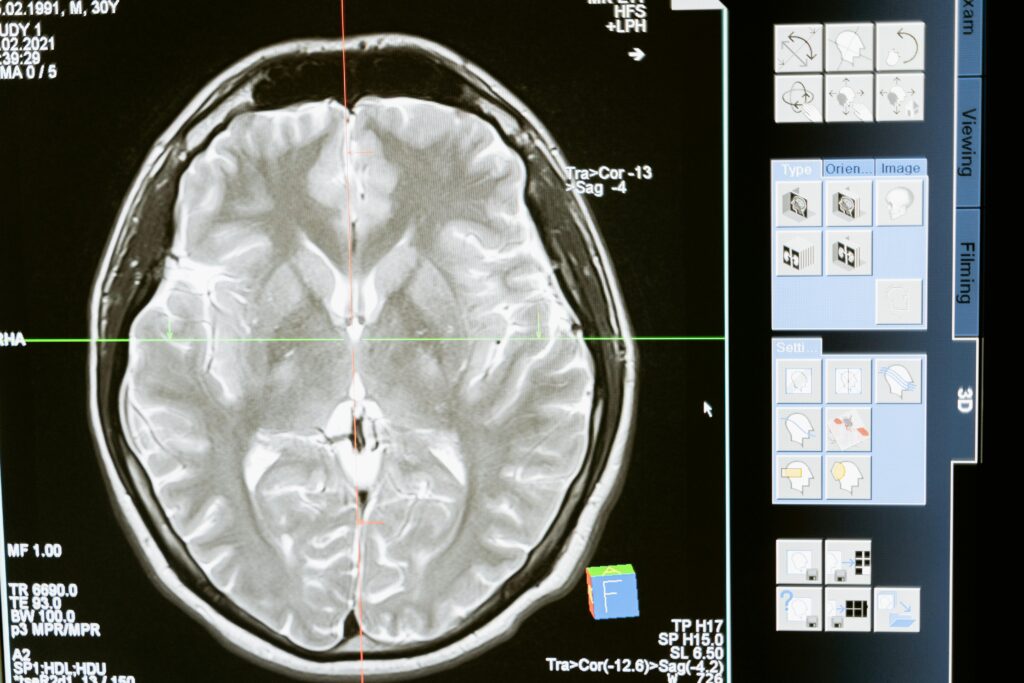
Imaging plays an important role in head trauma evaluation. CT (Computed Tomography) scans provide assessment for acute bleeds, fractures, and brain swelling. MRI (Magnetic Resonance Imaging) provides detailed visualisation of brain tissue and can detect injuries not visible on CT. Additional MRI sequences, such as diffusion tensor imaging (DTI), may be used to examine white matter pathways in complex cases.

Cognitive & Functional Testing

Assessment may include:

  • Neuropsychological testing to evaluate memory, attention, processing speed, and executive function- Balance and vestibular testing to identify inner ear and coordination issues
  • Vision screening to detect eye movement or visual processing deficits often associated with head trauma

If you’ve experienced a head injury, consult our Senior Consultant Neurosurgeon to determine the most suitable evaluation and monitoring plan.

The Treatment Process

Initial Assessment & Stabilisation

Neurosurgeons perform immediate triage to determine injury severity. This includes:

  • Vital sign monitoring (heart rate, blood pressure, breathing rate, and temperature), Neurological status assessment (brain and nerve function)
  • Pain evaluation

For acute cases, the cervical spine (neck) is protected until injury can be ruled out. They may order blood tests to screen for underlying conditions that may affect recovery.

The medical team documents the injury details, including timing, cause, and any loss of consciousness. This information helps guide treatment decisions and identify potential complications. Family members or witnesses may provide details about the injury event and immediate symptoms.

Management of Head Trauma

Treatment is tailored by your neurosurgeon based on injury severity, type, overall health, and recovery needs.

Mild traumatic brain injuries:

  • Symptom management with prescribed rest
  • Gradual resumption of daily activities
  • Guidance on home monitoring and warning signs

Moderate to Severe Traumatic Brain Injuries

  • Hospitalisation for observation and supportive care
  • Intravenous medications as required
  • Surgical intervention, if indicated
  • Intracranial pressure monitoring to guide treatment decisions
  • Coordination with intensive care teams during the acute phase
Ongoing Monitoring & Follow-up

Regular follow-up appointments allow neurosurgeons to track recovery progress and adjust treatment plans. Routine neurological examinations (repeated assessments of brain and nerve function) can help identify delayed complications. A neurosurgeon may order repeat imaging, such as follow-up scans, such as CT or MRI scans, to monitor healing or detect developing issues. They adjust activity recommendations based on recovery milestones and symptom changes.

Recovery & Aftercare

  • First 24-48 Hours

    The initial recovery period requires close observation. Patients receive clear guidance for home monitoring, including checking responsiveness at regular intervals. Rest is important, although complete sensory deprivation is no longer advised. Light activities like short walks may be allowed based on individual assessment. Pain management may involve prescribed medications taken according to a set schedule. Avoid alcohol, driving, and tasks that require significant concentration during this period. Family members are informed about key warning signs that require immediate medical attention.

  • First Week

    Activity levels increase gradually following a guided plan. Begin with gentle physical activities as tolerated, slowly progressing in duration and intensity. Cognitive rest includes limiting screen time use, reading, and work-related tasks. Good sleep habits play an important role in recovery, and your doctor can provide guidance on managing sleep disturbances. Follow-up appointments help assess symptom changes and recovery progress. Your neurosurgeon may recommend vestibular therapy for ongoing dizziness or balance difficulties. A structured, stepwise return-to-work or return-to-school plan is developed based on symptom improvement.

  • Long-term Recovery

    Full recovery timelines vary depending on the severity of injury. Some individuals may recover within a few weeks, while more serious injuries might require months of rehabilitation. Your neurosurgeon oversees your long-term care plan and may recommend physiotherapy, including speech therapy, or neuropsychological support as needed. Regular monitoring helps identify and manage any ongoing or persistent symptoms. Your neurosurgeon can advise on a safe return to activities such as sports, driving, or work, based on your specific recovery progress. Long-term follow-up may include assessments for patients with severe injuries.

Every patient’s condition is unique.

If symptoms persist after a head injury and you’re unsure about what to do next, our neurosurgeon can help clarify whether further evaluation is advisable.

How Specialised Care Supports Head Injury Management

Specialised head trauma focuses on supporting patients through structured evaluation, monitoring, and rehabilitation:

  • Early complication detection: Neurosurgeons track changes in brain function, swelling or bleeding that may require attention.
  • Recovery protocols: Care plans guide the rehabilitation process based on injury severity and patient needs.
  • Management of persistent symptoms: Appropriate management may help reduce the risk of persistent symptoms such as headaches, difficulty concentrating, or memory problems.
  • Coordinated care approach: Multidisciplinary approaches help address different aspects of recovery and provide comprehensive support.
  • Personalised rehabilitation: Your neurosurgeon will create a tailored recovery plan based on your individual needs and risk factors.

Specialised care focuses on careful monitoring and structured support for patients recovering from head injuries, whether minor or severe. Early intervention and appropriate management can help reduce the risk of post-concussion syndrome nd other long-term complications.

Risks & Potential Complications

Common Post-Injury Effects Patients may experience temporary symptoms following head trauma. Headaches are common and often improve within weeks. Fatigue and sleep disturbances can affect daily functioning but usually resolve with appropriate management. Mild concentration and memory difficulties may persist for several weeks.

Dizziness and balance problems may improve with physiotherapy that focuses on retraining balance and coordination after a head injury. Sensitivity to light and noise may gradually improve with controlled exposure. Mood changes, such as irritability or anxiety, may occur during recovery but can be managed with appropriate support.


Rare but Serious Complications

Certain complications, while uncommon, require prompt attention. Delayed bleeding inside the skull may occur days or weeks after injury. Post-traumatic seizures may affect some patients with moderate to severe injuries; these involve sudden episodes of uncontrolled electrical activity in the brain, causing convulsions or altered consciousness. Repeated head injuries may be associated with progressive brain conditions such as chronic traumatic encephalopathy (CTE).

Medical management focuses on monitoring, early detection, and timely intervention. Education on warning signs supports appropriate action if complications arise.

Cost Considerations

Several factors may influence the cost of head trauma care:

  • Injury severity: More complex cases may require additional evaluation and treatment.
  • Diagnostic imaging needs: Imaging tests such as CT scans ( or MRI studies
  • Consultation frequency: Costs may include initial assessment and follow-up appointments.
  • Rehabilitation services: Physiotherapy to support movement and balance, occupational therapy for daily activities, or speech therapy for communication or swallowing support.
  • Medication management: Prescribed treatments for symptom control.
  • Hospitalisation requirements: Inpatient observation or intensive care needs, if applicable.

Consultations typically cover assessment, treatment planning, and immediate management. Follow-up appointments allow neurosurgeons to monitor recovery and adjust care based on your condition.

ask us anything

Frequently Asked Questions

How soon after a head injury should I see a neurosurgeon?

Immediate medical attention is recommended for severe symptoms like loss of consciousness, confusion, or repeated vomiting. For mild injuries, a consultation within 1 to 2 days can help with proper evaluation. Even minor head injuries can develop delayed symptoms, so follow-up is important. Your neurosurgeon can provide personalised recommendations based on your specific injury.

What’s the difference between a concussion and traumatic brain injury (TBI)?

A concussion represents a mild form of TBI, usually involving temporary changes in brain function without structural damage visible on standard imaging. Moderate to severe TBI involves actual brain tissue injury, bleeding, or swelling that may be seen on CT or MRI scans. Both types of injury require professional assessment, and severity is classified using standardised scales to guide monitoring and treatment decisions.

Can I sleep after hitting my head?

For minor head injuries, rest and sleep are generally allowed. Someone should check on you periodically during the first day so you can be awakened and respond normally. For more significant injuries, your neurosurgeon may recommend observation before sleep. Seek immediate medical attention if you experience severe headache, repeated vomiting, confusion, or other concerning symptoms.

How long does recovery from head trauma typically take?

Recovery depends on the severity of the injury and individual factors. Mild concussions may resolve within several weeks. Moderate injuries can take several months for symptoms to improve. Severe traumatic brain injuries may require months to years of rehabilitation. Your neurosurgeon will monitor recovery through regular assessments and advise on expected timelines based on your specific situation.

When can I return to sports or physical activities?

Return to sports follows a graduated protocol, starting only after your symptoms have fully resolved at rest. The process generally involves six stages:

1. Complete rest
2. Light aerobic exercise
3. Sport-specific exercise
4. Non-contact training
5. Full-contact practice
6. Return to competition

Each stage lasts at least one day, and progression occurs only if you remain symptom-free. If symptoms return, you step back to the previous stage. Your neurosurgeon can guide this process and provide medical clearance, helping ensure a safe return without risking re-injury.

What are the warning signs of complications after a head injury?

Important warning signs include:

  • Worsening headache despite pain medication
  • Repeated vomiting or persistent nausea
  • Increasing confusion or disorientation
  • Difficulty staying awake or unusual drowsiness
  • Seizures (sudden, uncontrolled electrical disturbances in the brain)
  • Weakness or numbness in arms or legs
  • Slurred speech
  • Clear fluid draining from the nose or ears
  • Pupils of unequal size or vision changes

Any concerning symptoms require immediate medical evaluation. Your neurosurgeon can provide guidance on warning signs relevant to your specific injury.

Conclusion

Head trauma is a complex type of injury that requires careful evaluation and ongoing management. Our neurosurgeon provides assessment and monitoring for injuries ranging from mild concussions to severe traumatic brain injuries.

Recovery involves structured care, professional guidance, and appropriate medical support. Early evaluation, adherence to recommended treatment, and ongoing monitoring are important elements in managing head trauma.

If you or a family member has experienced a head injury, consult our neurosurgeon to discuss your condition and review a treatment plan suited to your individual needs.

doctor desktop w alpha doctor mobile w alpha

Dr Teo Kejia 张哿佳医生

MBBS (SG)MRCS (Edin)FAMSFRCS EdIFAANS

Dr Teo Kejia is an experienced Senior Consultant Neurosurgeon and Director at Precision Neurosurgery.

Dr Teo has extensive knowledge and experience in the field of neurosurgery, with a particular focus on complex brain tumour procedures. He is adept in employing advanced surgical techniques, including brain mapping and awake brain surgery, especially for treating gliomas and glioblastomas. His expertise extends to neuro-oncology, encompassing both brain and spinal tumours, as well as neurovascular and skull base surgery.

Additionally, Dr Teo offers treatment for a range of neurological conditions, such as traumatic head injuries, intracerebral aneurysms, and degenerative spine disorders, which include neck and back pain. He is also proficient in managing ischemic and haemorrhagic strokes, hydrocephalus, trigeminal neuralgia, and hemifacial spasm.

Make an Enquiry

Got Questions? Please fill in the enquiry form below and we look forward to addressing your question.

    Full Name*

    Email Address*

    Phone Number*

    Your Message*

    For Faster Response, Call us!

    +65‎ 6956‎ 6588

    Corporate & Personal Insurance Plans

    For Singaporeans, Singapore Permanent Residents and Foreigners.

    Please speak to our friendly clinic staff about using your insurance plans.