EC-IC Bypass Surgery in Singapore: A Cerebral Revascularisation Option for Selected Patients

When blood flow to the brain is compromised by blocked or narrowed arteries, the risk of ischaemic stroke and progressive neurological symptoms may increase. In carefully selected cases, EC-IC (Extracranial-Intracranial) bypass surgery may provide an option for restoring adequate blood supply to affected brain regions.

EC-IC bypass is a microsurgical technique that creates an alternative pathway for blood to reach brain tissue affected by arterial narrowing or occlusion. It is not routinely recommended for all stroke patients and is generally reserved for individuals with clearly demonstrated haemodynamic compromise despite appropriate medical management.

doctor img
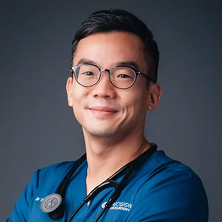
Dr Teo Kejia (张哿佳医生)

MBBS (SG) MRCS (Edin) FAMS (Neuro Surg) FRCS Ed (Neuro Surg) IFAANS

nurse hands and brain scan with tablet for medica 2026 01 09 09 43 30 utc EC-IC Bypass Surgery in Singapore: A Cerebral Revascularisation Option for Selected Patients

What is EC-IC Bypass Surgery?

EC-IC bypass surgery is a neurosurgical procedure that connects a blood artery outside the skull (extracranial) to an artery inside the skull (intracranial). The most commonly performed configuration is a superficial temporal artery to middle cerebral artery (STA–MCA) bypass.

This new connection allows blood to bypass a diseased or occluded cerebral artery and reach areas of the brain with reduced perfusion.

The procedure is performed using microsurgical techniques under high magnification to enable precise vessel suturing and blood flow assessment.
Conditions Where EC-IC Bypass May Be Considered

EC-IC bypass is not a first-line treatment for most cerebrovascular diseases. It may be considered in selected patients with:

  • Moyamoya disease or syndrome: A progressive condition where major brain arteries gradually narrow, requiring revascularisation (restoration of blood flow)
  • Severe intracranial stenosis: Significant narrowing of brain arteries that may not improve with medication
  • Complex cerebral aneurysms: Cases where the main artery feeding an aneurysm must be blocked, and blood flow needs to be rerouted
  • Symptomatic cerebral haemodynamic insufficiency: Demonstrated reduction in cerebral perfusion on specialised imaging, despite medical therapy

Patient Assessment & Suitability

Suitability for EC-IC bypass requires a comprehensive specialist evaluation, which may include:

  • Cerebral angiography
  • CT or MR perfusion imaging
  • MRI brain scans
  • Neurological and cognitive assessment
  • Review of medical therapy response

The aim is to confirm objective haemodynamic compromise and exclude patients unlikely to benefit.

When EC-IC Bypass May Not Be Recommended

  • Recent large, completed stroke
  • Advanced dementia or irreversible neurological injury
  • Poor donor or recipient vessels
  • Uncontrolled systemic illness
  • Inability to tolerate major surgery

Our neurosurgeon will determine suitability based on individual clinical and imaging findings.

Surgical Techniques & Approaches

Direct EC-IC Bypass

A direct bypass involves suturing the superficial temporal artery directly to a cortical branch of the middle cerebral artery. This provides immediate blood flow augmentation once the bypass is functioning.

Indirect Bypass

Indirect revascularisation techniques (such as EDAS and EMS) place vascularised tissue near the brain surface to encourage gradual vessel ingrowth over time. These methods are more commonly considered for paediatric moyamoya patients or when direct anastomosis is not feasible.

Combined Bypass Approach

In some cases, direct and indirect methods may be combined to support both short-term and long-term revascularisation.

Intraoperative tools such as Doppler ultrasound and indocyanine green (ICG) angiography are used to assess bypass flow during surgery.

Considering whether EC-IC bypass may be appropriate for your condition?

A neurosurgical consultation allows for detailed imaging review and discussion of available management options.

The Treatment Journey

  • Before Surgery

    Preoperative preparation may include:

    • Blood tests and imaging studies
    • Medication review (including antiplatelet therapy)
    • Anaesthetic assessment

    Our clinic will provide specific instructions.

  • During Surgery

    The procedure is performed under general anaesthesia and may take several hours, depending on complexity. The surgeon creates a temporary skull opening to access the brain surface and performs the bypass under microscopic visualisation.

  • After Surgery

    Patients are monitored in a high-dependency or neurological intensive care setting. Blood pressure and neurological status are closely observed. Imaging is typically performed to confirm bypass patency. Hospital stay varies depending on recovery and clinical stability.

Recovery & Aftercare

  • Early recovery focuses on wound healing, neurological monitoring, and gradual mobilisation.
  • Headaches, fatigue, or scalp numbness may occur and often improve with time.
  • Return to work and daily activities are individualised
  • Long-term follow-up includes periodic imaging and clinical review
  • Some patients may continue antiplatelet medication as advised

Post-operative recovery varies between individuals.

A follow-up plan is tailored based on clinical progress and imaging findings.

Potential Benefits and Limitations of EC-IC Bypass Surgery

Possible Benefits (in selected patients)
  • Improved cerebral blood flow in compromised regions
  • Reduction in frequency of transient ischaemic symptoms
  • Stabilisation of neurological status in progressive conditions such as moyamoya disease
Important Limitations
  • Not proven to reduce stroke risk in most atherosclerotic diseases
  • Benefits depend heavily on patient selection and underlying pathology
  • Does not reverse established brain injury

Risks & Potential Complications

As with any brain surgery, EC-IC bypass carries risks, which may include:

  • Stroke

  • Bypass occlusion

  • Infection or wound complications

  • Seizures

  • Cerebral hyperperfusion syndrome

Our neurosurgeon will explain these risks in detail during the consultation and discuss how they are managed.

ask us anything

Frequently Asked Questions

Is EC-IC bypass commonly performed?

It is a specialised procedure performed selectively in centres with cerebrovascular expertise.

Is it suitable for all stroke patients?

No. Most strokes are managed with medical therapy or endovascular treatment.

Can I undergo EC-IC bypass if I have moyamoya disease?

Moyamoya disease (a progressive condition where major brain arteries become narrowed) represents one indication for EC-IC bypass surgery. Both direct and indirect revascularisation techniques (methods to restore blood flow) are used to treat moyamoya-related ischaemia (reduced blood flow causing tissue damage). Paediatric patients often receive indirect bypasses due to small vessel size. Adults typically undergo direct procedures. Your neurosurgeon can recommend an appropriate approach based on angiographic findings (imaging of your blood vessels) and your symptom patterns.

Conclusion

EC-IC bypass surgery is a highly specialised cerebral revascularisation procedure reserved for selected patients with demonstrable haemodynamic compromise. When performed following careful evaluation, it may help stabilise cerebral blood flow in specific conditions, such as moyamoya disease or complex vascular pathology.

Consultation with an experienced neurosurgeon is essential to determine whether this approach is appropriate for your individual situation.

Discuss Your Options with a Specialist

If you have been diagnosed with a cerebrovascular condition and are exploring treatment options, a consultation with our Senior Consultant Neurosurgeon, Dr Teo Kejia, allows for a thorough review of imaging, symptoms, and management strategies.

doctor desktop w alpha doctor mobile w alpha

Dr Teo Kejia 张哿佳医生

MBBS (SG)MRCS (Edin)FAMSFRCS EdIFAANS

Dr Teo Kejia is an experienced Senior Consultant Neurosurgeon and Director at Precision Neurosurgery.

Dr Teo has extensive knowledge and experience in the field of neurosurgery, with a particular focus on complex brain tumour procedures. He is adept in employing advanced surgical techniques, including brain mapping and awake brain surgery, especially for treating gliomas and glioblastomas. His expertise extends to neuro-oncology, encompassing both brain and spinal tumours, as well as neurovascular and skull base surgery.

Additionally, Dr Teo offers treatment for a range of neurological conditions, such as traumatic head injuries, intracerebral aneurysms, and degenerative spine disorders, which include neck and back pain. He is also proficient in managing ischemic and haemorrhagic strokes, hydrocephalus, trigeminal neuralgia, and hemifacial spasm.

Make an Enquiry

Got Questions? Please fill in the enquiry form below and we look forward to addressing your question.

    Full Name*

    Email Address*

    Phone Number*

    Your Message*

    For Faster Response, Call us!

    +65‎ 6956‎ 6588

    Corporate & Personal Insurance Plans

    For Singaporeans, Singapore Permanent Residents and Foreigners.

    Please speak to our friendly clinic staff about using your insurance plans.