
Degenerative Spine Condition: Comprehensive Guide to Diagnosis and Treatment

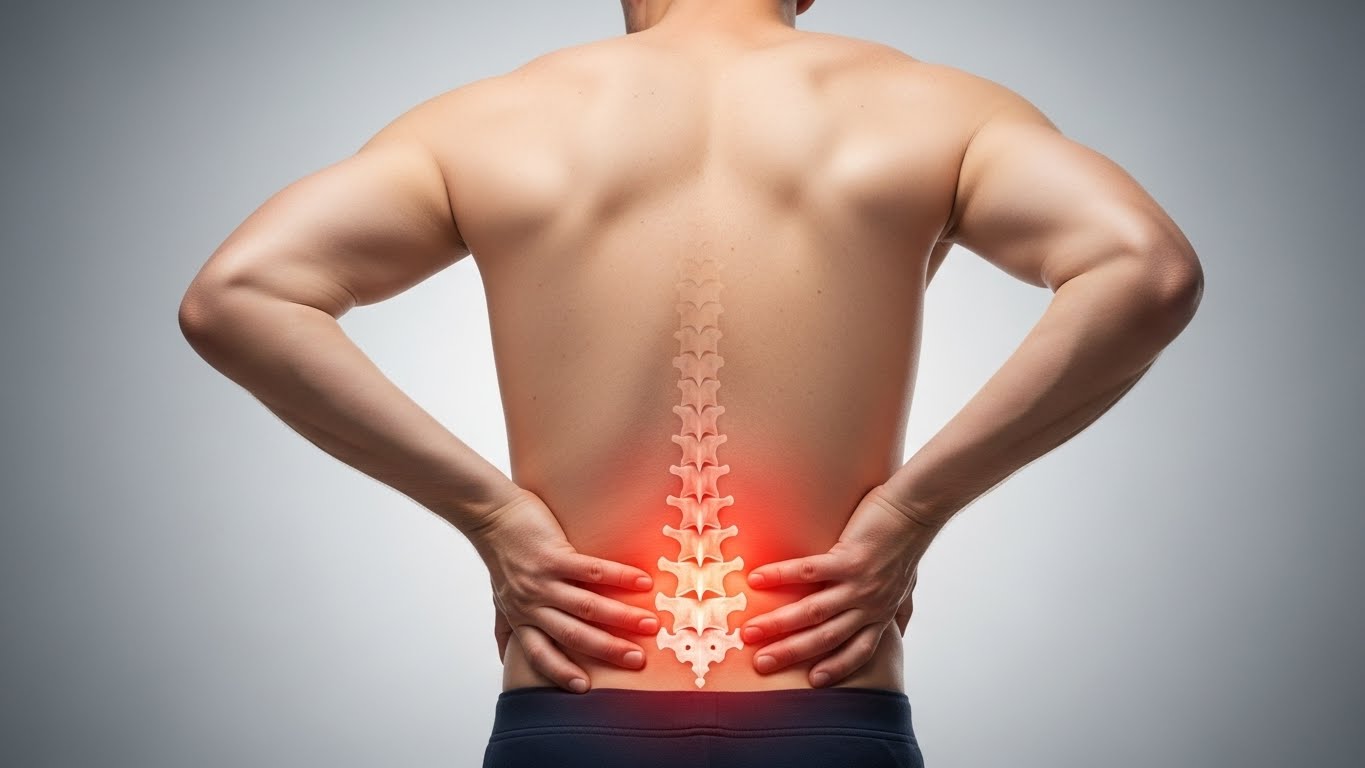
Degenerative spine conditions affect many people worldwide and can lead to pain, reduced mobility, and a lower quality of life. These conditions occur when the structures of the spine gradually wear down over time. These structures include the intervertebral discs (the cushioning pads between the vertebrae), joints, and ligaments. While ageing is a natural process, the symptoms associated with spinal degeneration can often be managed with appropriate care and treatment.

In Singapore, degenerative spine conditions are a recognised health concern. Advances in neurosurgical and spinal care have expanded treatment options, ranging from conservative approaches such as physiotherapy and medication to minimally invasive procedures that use small incisions and specialised instruments. Understanding your condition is an important step towards effective management and improving day-to-day function and comfort.

doctor img
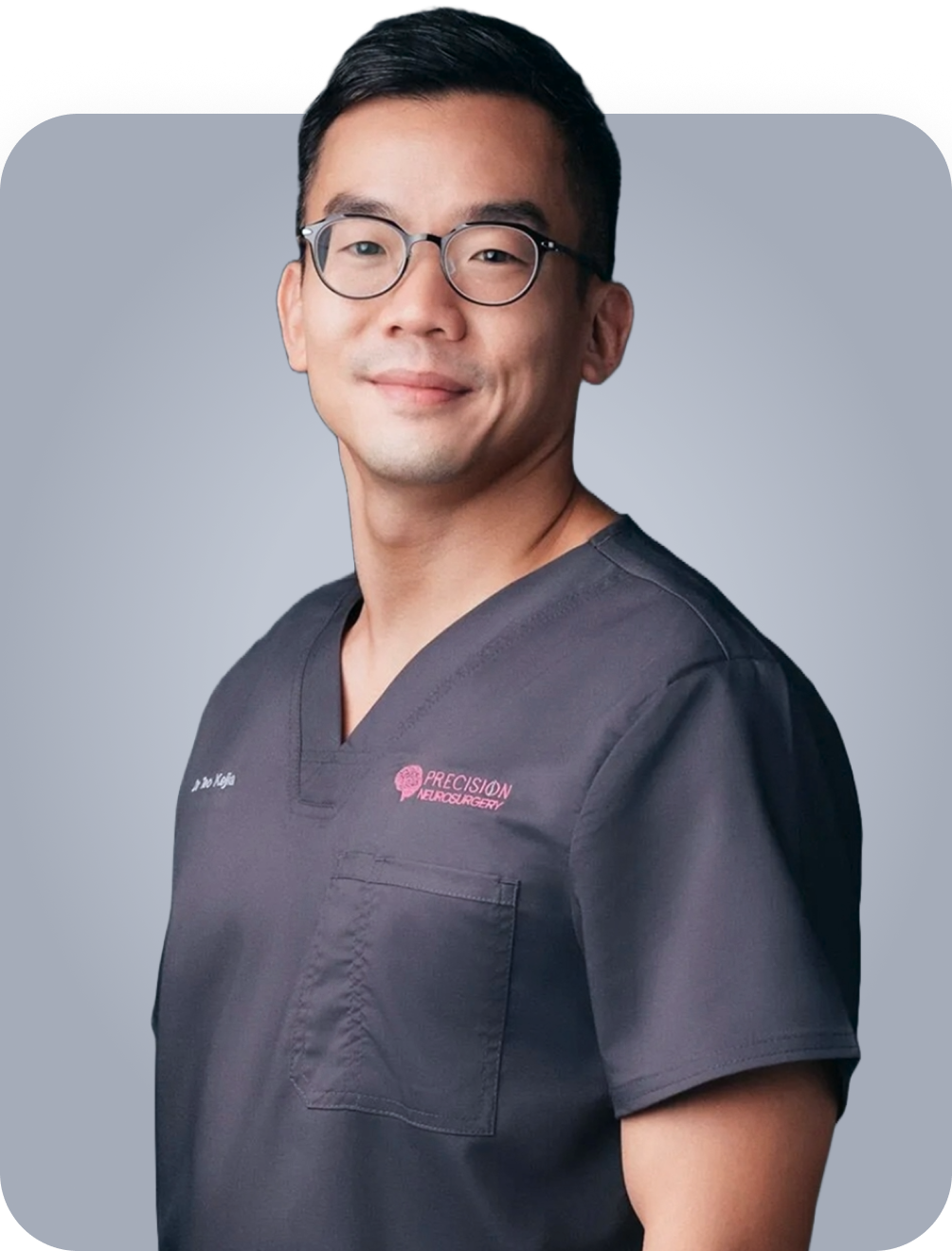
Dr Teo Kejia (张哿佳医生)

MBBS (SG) MRCS (Edin) FAMS (Neuro Surg) FRCS Ed (Neuro Surg) IFAANS

Whisk_0f83b35be039c17812d4e54445cada1fdr Degenerative Spine Condition: Comprehensive Guide to Diagnosis and Treatment

What is a Degenerative Spine Condition?

A degenerative spine condition refers to the gradual wear and tear of the spinal structures that occurs naturally with age or may be accelerated by other factors. The spine is made up of several key components:

  • Vertebrae (bones of the spine)
  • Intervertebral discs (shock-absorbing cushions between the vertebrae)
  • Facet joints (joints that connect the vertebrae and allow movement)
  • Ligaments (strong bands of tissue that support and stabilise the spine)
  • Nerves (which transmit signals between the brain and the rest of the body)
  • When one or more of these components deteriorate, symptoms such as pain, stiffness, or neurological issues may develop. These neurological symptoms can include numbness, tingling, or weakness in the arms or legs.

Degeneration often begins in early to mid-adulthood but may not cause noticeable symptoms until years or even decades later. As spinal discs lose water content and height, the space between vertebrae can narrow. This may alter joint alignment and place pressure on nearby nerves, leading to pain or other symptoms. Over time, these changes can result in specific degenerative spine conditions, each requiring an individualised treatment approach.

Back pain is a common issue among adults, and many cases are related to degenerative changes in the spine. Various lifestyle factors may contribute to patterns of spinal degeneration.


Types of Degenerative Spine Conditions

  • Degenerative Disc Disease

    Degenerative disc disease occurs when the intervertebral discs—the cushioning pads between the vertebrae—gradually lose moisture and flexibility over time. As the discs thin and stiffen, they become less effective at absorbing shock during everyday movements. This can lead to pain, stiffness, or spinal instability. Despite its name, degenerative disc disease is not an actual disease but a common age-related change that may cause symptoms in some individuals.

  • Spondylolisthesis

    This condition occurs when one vertebra (the small bones that stack to form your spine) slips forward over the vertebra beneath it. In degenerative cases, this slippage is often caused by wear and tear of the facet joints and intervertebral discs. The resulting instability can contribute to back pain and may compress nearby nerves, causing leg pain or neurological symptoms.

  • Facet Joint Arthritis

    Facet joint arthritis, sometimes referred to as facet joint syndrome, develops when the cartilage that protects the small joints between vertebrae wears down. These joints help guide spinal movement and provide stability. When degeneration occurs, it can cause localised pain, stiffness, and reduced range of motion in the neck or back.

  • Herniated or Bulging Discs

    Although a disc herniation can occur suddenly due to injury, many cases develop gradually as part of the degenerative process. Over time, the disc’s outer layer weakens, allowing the soft inner material to bulge outward or rupture. If this material presses on nearby nerves, it may cause pain, numbness, tingling, or weakness in the arms or legs.

Primary Causes

  • Natural ageing process: Cellular changes may reduce disc hydration and elasticity.
  • Genetic predisposition: A family history of spine problems may increase risk.
  • Cumulative micro-trauma: Daily activities can cause minor injuries that may accumulate over time.
  • Biochemical changes: Alterations in disc composition can affect structural integrity.

Risk Factors

  • Occupation: Jobs requiring heavy lifting, repetitive bending, or prolonged sitting.
  • Obesity: Extra weight can increase stress on spinal structures.
  • Smoking: May reduce blood flow to spinal discs and can contribute to degeneration.

  • Previous spine injuries: Past trauma may increase future degeneration risk.
  • Poor posture: Chronic poor alignment can contribute to wear and tear.
  • Lack of exercise: Weak core muscles may provide inadequate spine support.
  • Diabetes: Can affect disc nutrition and healing capacity.
  • Repetitive stress: Activities causing repeated spine stress.

Signs & Symptoms

Early Stage
  • Occasional back or neck stiffness, especially in the morning
  • Mild discomfort after prolonged sitting or standing
  • Minor reduction in flexibility or range of motion
  • Intermittent pain that may improve with rest
Advanced Stage
  • Persistent pain that may not fully resolve with rest
  • Radiating pain into arms or legs (pain that spreads down from the spine)
  • Numbness or tingling in extremities (such as hands, feet, arms, or legs)
  • Muscle weakness in affected areas
  • Difficulty walking or maintaining balance
Late Stage
  • Constant pain affecting daily activities
  • Mobility limitations
  • Loss of bladder or bowel control (requires immediate medical attention)
  • Progressive neurological deficits (nerve-related problems such as weakness, numbness, or coordination difficulties)
  • Difficulty performing routine tasks

The progression from early to late stage varies between individuals. Some people may experience changes in symptoms, whilst others may maintain stable symptoms for periods with appropriate management.

Experiencing these symptoms?

Consider consulting a Senior Consultant Neurosurgeon for a comprehensive assessment and a tailored management plan.

When to See a Neurosurgeon

You may consider consulting a neurosurgeon if you experience persistent back or neck pain lasting more than several weeks despite rest, physiotherapy, or over-the-counter pain medication. Seek immediate medical attention if you develop sudden or severe pain, particularly when accompanied by neurological symptoms such as numbness, weakness, or changes in bowel or bladder function.

Red flag symptoms requiring urgent evaluation include:

  • Progressive weakness in the arms or legs
  • Difficulty walking
  • Loss of coordination
  • Severe pain that worsens at night or doesn’t improve with rest

These symptoms may be associated with significant nerve compression and should be assessed promptly by a medical professional.

During your first consultation, our neurosurgeon will perform a comprehensive evaluation. A neurosurgeon is a doctor who specialises in conditions affecting the brain, spine, and nervous system. This evaluation may include:

  • Medical history review
  • Physical examination
  • Neurological assessment to evaluate nerve and muscle function

Our neurosurgeon will discuss your symptoms, review any previous treatments, and advise on appropriate diagnostic tests where necessary. This assessment helps establish a baseline for your treatment plan.

Early identification of degenerative spine conditions may allow for timely management and monitoring. In some cases, symptoms can be managed with conservative approaches, depending on the individual’s condition and clinical findings.

If you’re experiencing symptoms, you may consider speaking with our neurosurgeon to determine whether a neurosurgical consultation is appropriate for your situation.

Diagnosis & Testing Methods


Physical Examination Our neurosurgeon will begin with a detailed physical examination. This typically involves assessing the spine’s range of motion, muscle strength, reflexes, and sensation. Specific clinical tests may be performed to evaluate possible nerve compression or irritation. These can include the straight leg raise test (where you lie down and your doctor raises your leg to assess for pain) and Spurling’s test (where the head is gently positioned to check for pain or tingling).
 

X-Ray

X-rays are commonly used as an initial imaging tool to assess bone structure, alignment, and degenerative changes, such as bone spurs or narrowing of disc spaces. While X-rays don’t show soft tissues, they can provide useful information about spinal alignment and stability. Images may be taken in different positions to evaluate movement or instability.
MRI (Magnetic Resonance Imaging) Magnetic resonance imaging (MRI) provides detailed images of soft tissues, including discs, nerves, ligaments, and the spinal cord. This non-invasive scan can help identify disc herniation (when the cushioning between vertebrae bulges), nerve compression, and other soft-tissue abnormalities. In certain cases, contrast dye may be used to enhance visualisation.
CT Scans Computed tomography (CT) scans offer detailed views of bone structures and may be recommended when an MRI is not suitable or when surgical planning is required. Myelography—where contrast dye is injected into the spinal canal before CT imaging—may be considered in more complex cases.
Electromyography (EMG) Nerve conduction studies or electromyography (EMG) may be used when symptoms suggest possible nerve involvement. These tests assess how effectively nerves transmit electrical signals.

Treatment Options Overview

Conservative Management

Initial treatment often involves non-surgical approaches. Physical therapy is commonly used to support posture, core strength, and flexibility. Therapists may use a combination of exercises, manual techniques, and modalities such as heat or ultrasound to help manage symptoms and support function.

Medications

Pain management often begins with anti-inflammatory medications, which can help reduce inflammation and discomfort. Muscle relaxants may be prescribed to address muscle spasms associated with spine conditions. For nerve-related pain, medications that target nerve pain pathways may be considered. Medication choices are based on individual symptoms, medical history, and overall health.

Injection Therapies

Injection-based treatments may be considered for selected patients. Epidural steroid injections deliver anti-inflammatory medication directly near affected nerve roots and may help relieve pain. Facet joint injections target inflammation in the small joints of the spine. Nerve blocks may be used to help identify pain sources and can provide temporary symptom relief. These procedures are typically performed under imaging guidance to support accuracy and safety.

Minimally Invasive Procedures

When conservative measures do not provide sufficient symptom control, minimally invasive procedures may be considered. These techniques use smaller incisions and specialised instruments. Examples include endoscopic discectomy, which removes herniated disc material, and radiofrequency ablation, which targets nerves involved in pain transmission. Recovery experiences vary, and some patients may be suitable for same-day discharge or short hospital stays.

Surgical Interventions

Surgery may be considered when symptoms persist despite appropriate non-surgical management or when there is progression of neurological deficits, such as worsening weakness, numbness, or changes in bladder or bowel function control. Surgical options depend on the underlying condition and may include decompression procedures, spinal fusion to improve stability, or artificial disc replacement in selected cases. The choice of surgery is individualised based on clinical findings and imaging results.

Rehabilitation Protocols

Rehabilitation is often an important part of recovery following treatment. Programmes are typically tailored to the individual and may progress from gentle movement to strengthening and conditioning exercises. Patients may also receive guidance on lifestyle adjustments and spine care strategies. Follow-up appointments allow healthcare providers to monitor progress and adjust management plans where appropriate.

Every patient’s condition is unique.

Consult our Senior Consultant Neurosurgeon to discuss your specific situation and determine a suitable treatment plan.

Complications if Left Untreated

Degenerative spine conditions that are not managed may be associated with progressive neurological changes. Chronic nerve compression can potentially lead to nerve damage, which may result in symptoms such as numbness, weakness, or changes in sensation or function in affected areas. These symptoms can affect daily activities and independence.

Severe spinal stenosis (narrowing of the spaces within the spine) or disc herniation (when the soft cushion between vertebrae pushes out) may place pressure on the spinal cord. This can be associated with myelopathy, a condition involving spinal cord dysfunction. Symptoms may include difficulties with coordination, balance, and fine motor skills, such as buttoning clothes or writing. In some cases, bladder or bowel function may be affected, which should be evaluated promptly by a medical professional.

Chronic pain related to untreated spine conditions may also contribute to secondary effects, including the development of compensatory movement patterns (such as limping or altered posture), which may place additional strain on other parts of the body.

Without appropriate treatment, degenerative changes may continue to progress, which can make future management more complex. Identifying and addressing symptoms earlier may allow for a wider range of management options, depending on individual circumstances.

Prevention

While age-related spine changes cannot be completely prevented, certain strategies may help slow degeneration and reduce the likelihood of developing symptoms. Maintaining a healthy weight may reduce mechanical stress on the spine and support overall comfort.

Regular exercise can help strengthen supporting muscles and maintain flexibility. Recommended activities may include:

  • Core strengthening exercises
  • Low-impact aerobic activities like swimming or walking
  • Flexibility exercises

Practising good ergonomics at work and home may help protect the spine from unnecessary strain. Adjusting your workspace to maintain a neutral spine position and taking regular breaks from prolonged postures may be beneficial.

Lifestyle habits can also support spine health. For example, quitting smoking may help improve disc nutrition, and maintaining good posture during daily activities may reduce stress on spinal structures. Learning safe lifting techniques, staying hydrated, and managing stress through relaxation methods may also be helpful in maintaining comfort and mobility.

Preventive care can include regular check-ups, particularly for individuals with risk factors or early symptoms. Early detection may allow minor issues to be monitored or addressed before they progress.

ask us anything

Frequently Asked Questions

Can degenerative spine conditions be reversed?

The ageing process cannot be reversed, and discs cannot be fully restored to their youthful state. However, treatments may help manage symptoms and potentially slow progression. Modern therapies may support pain reduction, improved function, and support quality of life. Some regenerative medicine approaches (treatments that aim to help the body repair damaged tissue) are under investigation. Early assessment and a comprehensive management plan combining different treatment options may help patients experience improvement even if underlying degenerative changes remain.

How long does recovery take after spine surgery?

Recovery timelines vary depending on the procedure and individual factors. Minimally invasive procedures, like endoscopic discectomy (removal of damaged disc material through a small incision, may allow a gradual return to desk work or daily activities. More extensive procedures, like spinal fusion (where two or more vertebrae are joined together to stabilise the spine), generally require longer recovery for bone healing and complete recovery. Our neurosurgeon can provide guidance based on your procedure, overall health, and individual factors, including age, general health, smoking status, and adherence to rehabilitation.

Are there alternatives to surgery for severe cases?

Non-surgical options may be considered even in severe cases. Injection therapies, including regenerative approaches, can provide symptom relief. Spinal cord stimulation (using mild electrical pulses to modulate pain signals) may be offered when other treatments have limited effect. Comprehensive physical therapy programmes may also help. Surgery may be considered when neurological symptoms progress (such as worsening weakness, numbness, or loss of function), or when conservative approaches are insufficient after adequate trials. Our neurosurgeon will review all suitable options before recommending surgery.

Can young people develop degenerative spine conditions?

Young individuals can develop degenerative spine conditions, particularly with genetic predisposition, previous injuries, or high-impact activities, although it’s less common. Early-onset degeneration may occur in younger adults, especially those with physically demanding jobs or athletes in high-impact sports. Younger patients may respond well to conservative treatments, including physical therapy, medications, and lifestyle modifications. Early diagnosis and intervention can help manage symptoms and support long-term spine health.

Will I need multiple surgeries in the future?

Not necessarily. Some patients may require only one surgical intervention. The need for additional surgery depends on factors such as the extent of degeneration, surgical technique, and post-operative care. Adjacent segment degeneration (wear and tear that develops in the vertebrae next to the treated area) can occur and may require future intervention in some cases. Motion-preserving techniques and structured rehabilitation may help reduce this risk. Following our neurosurgeon’s recommendations on activity and maintenance can support long-term spine health.

How do I know if my back pain is from degeneration or something else?

Degenerative spine pain usually develops gradually, may worsen with activity, and often improves with rest. It can be accompanied by stiffness and sometimes radiates into the extremities if nerves are involved. Other causes, like infection, tumours, or inflammatory conditions, often present differently, with systemic symptoms like fever, unexplained weight loss, or night pain. Acute injuries typically have a sudden onset linked to a specific event. A medical evaluation, including imaging and physical examination, is required to identify the cause accurately. Our neurosurgeon will perform a comprehensive assessment to determine the source of your symptoms.

Conclusion

Degenerative spine conditions are common with ageing, but they don’t have to dictate your quality of life. Gaining a better understanding of the condition may help individuals make informed decisions about spine health. Modern neurosurgery offers numerous treatment options, from conservative management (such as physiotherapy, medication, or lifestyle changes) to surgical techniques. Each approach is tailored to specific conditions and individual needs.

The key to management lies in early recognition and appropriate intervention. Outcomes differ among patients, with some achieving improvement in symptoms and function through lifestyle modifications, targeted therapies, or, when necessary, surgical procedures. Singapore’s medical facilities offer established spine care with access to current technologies and treatment approaches.

Each person’s spine condition is unique. What works for one patient may not be suitable for another. Our neurosurgeon will develop specific treatment goals based on the individual’s condition, symptoms, and overall health profile. A comprehensive evaluation by a qualified neurosurgeon is essential for creating a personalised treatment plan.

Take the First Step Towards Better Health

Living with a degenerative spine condition can be challenging, but you don’t have to face it alone. Our Senior Consultant Neurosurgeon has experience diagnosing and treating degenerative spine conditions using evidence-based approaches.

If you have concerns about spine health or degenerative conditions, consult a qualified neurosurgeon to discuss your individual situation and appropriate next steps for your care.

doctor desktop w alpha doctor mobile w alpha

Dr Teo Kejia 张哿佳医生

MBBS (SG)MRCS (Edin)FAMSFRCS EdIFAANS

Dr Teo Kejia is an experienced Senior Consultant Neurosurgeon and Director at Precision Neurosurgery.

Dr Teo has extensive knowledge and experience in the field of neurosurgery, with a particular focus on complex brain tumour procedures. He is adept in employing advanced surgical techniques, including brain mapping and awake brain surgery, especially for treating gliomas and glioblastomas. His expertise extends to neuro-oncology, encompassing both brain and spinal tumours, as well as neurovascular and skull base surgery.

Additionally, Dr Teo offers treatment for a range of neurological conditions, such as traumatic head injuries, intracerebral aneurysms, and degenerative spine disorders, which include neck and back pain. He is also proficient in managing ischemic and haemorrhagic strokes, hydrocephalus, trigeminal neuralgia, and hemifacial spasm.

Make an Enquiry

Got Questions? Please fill in the enquiry form below and we look forward to addressing your question.

    Full Name*

    Email Address*

    Phone Number*

    Your Message*

    For Faster Response, Call us!

    +65‎ 6956‎ 6588

    Corporate & Personal Insurance Plans

    For Singaporeans, Singapore Permanent Residents and Foreigners.

    Please speak to our friendly clinic staff about using your insurance plans.