Craniotomy and Awake Craniotomy in Singapore: A Clinical Guide

The prospect of brain surgery is a significant event that naturally causes concern for patients and their families. In the field of neurosurgery, a craniotomy remains a fundamental procedure used to access the brain to address a variety of conditions. Whether the surgery is for a brain tumour, a vascular abnormality, or a traumatic injury, the primary goal is to address the pathology while maintaining the patient’s neurological health.

In Singapore, neurosurgeons may utilise various techniques, including the “awake” craniotomy, which allows for real-time monitoring of brain function. This guide provides a detailed look at these procedures, the technology involved, and what patients can expect during their treatment and recovery journey. Understanding these processes can help patients make informed decisions about their neurological care.

doctor img
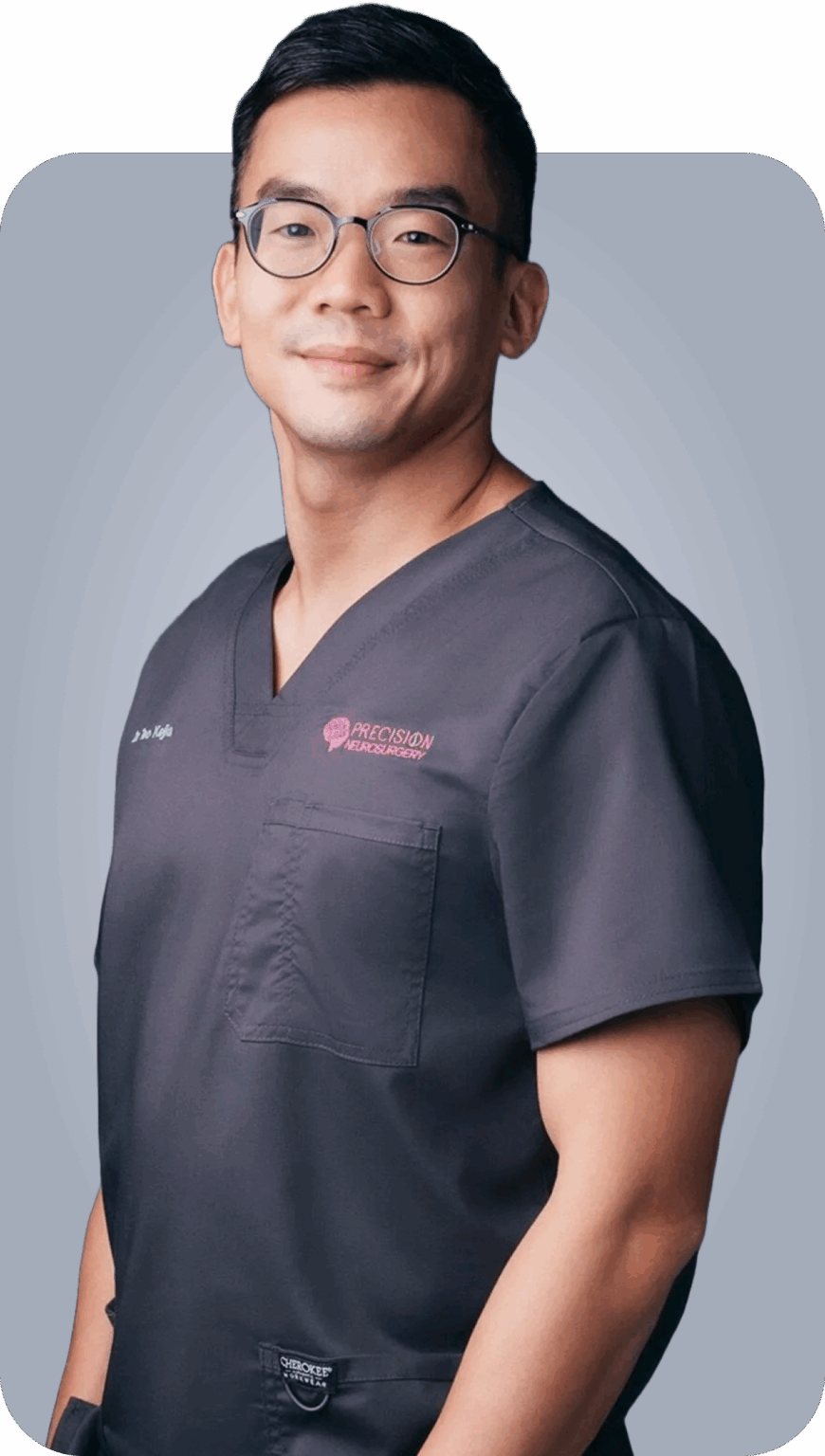
Dr Teo Kejia (张哿佳医生)

MBBS (SG) MRCS (Edin) FAMS (Neuro Surg) FRCS Ed (Neuro Surg) IFAANS

1 Craniotomy and Awake Craniotomy in Singapore: A Clinical Guide

What is Craniotomy and Awake Craniotomy?

A craniotomy is a neurosurgical operation in which a part of the skull, called a bone flap, is temporarily removed to access the brain underneath. This is a controlled, precise procedure performed by trained neurosurgeons. Once the surgeon has completed the necessary work on the brain, the bone flap is typically replaced and secured with small titanium plates and screws, allowing the skull to heal. This differs from a craniectomy, where the bone flap is not immediately replaced, often to allow the brain room to swell after a major injury or stroke.

An awake craniotomy is a specialised version of the procedure where the patient remains conscious for at least a portion of the operation. While traditional brain surgery is performed under general anaesthesia—which puts the patient into a deep sleep—this technique allows surgeons to monitor brain function in real time through direct interaction. This approach is beneficial when operating near “eloquent” areas of the brain—regions responsible for critical functions such as:

  • Speech and Language: The ability to form words and understand others.
  • Motor Function: The ability to move specific parts of the body, like arms or legs.
  • Sensory Perception: The ability to feel touch or recognise spatial orientation.

By mapping these areas during surgery, neurosurgeons can work to remove tumours or treat other conditions while aiming to minimise the risk of damaging vital functions. The procedure combines local anaesthesia to numb the scalp with carefully controlled sedation, keeping patients comfortable yet alert.
Ideal Candidates

Suitable candidates for craniotomy or awake craniotomy typically include patients with:

  • Brain Tumours: Both primary tumours and metastatic lesions that are accessible and may be surgically removed.
  • Cerebral Aneurysms: Bulges in blood vessels, particularly those at risk of rupture.
  • Arteriovenous Malformations (AVMs): Abnormal tangles of blood vessels that pose bleeding risks.
  • Traumatic Brain Injuries: Including collections of blood (haematomas) requiring evacuation.
  • Medication-Resistant Epilepsy: When a brain area associated with seizures can be identified for surgical evaluation.
  • Awake Procedure Specifics: Individuals with sufficient cognitive function to participate in intraoperative testing and those without severe anxiety or claustrophobia that would prevent cooperation.

Contradictions

Certain conditions may make these procedures less suitable:

  • Severe Cognitive Impairment: If a patient cannot understand or follow instructions, awake mapping may not be possible.
  • Uncorrected Bleeding Disorders: Conditions that affect blood clotting can increase surgical risks.
  • Significant Psychiatric Disorders: Conditions affecting a patient’s ability to cooperate during the procedure.
  • Respiratory Conditions: Severe obstructive sleep apnoea or other conditions requiring complete airway control.
  • Advanced Age with Frailty: While age alone is not a strict factor, overall health status is a major consideration.

The decision to proceed with surgery requires a thorough clinical assessment by a neurosurgeon to determine if the potential benefits may outweigh the surgical risks.

Treatment Techniques & Approaches

Neurosurgeons in Singapore employ various approaches tailored to the specific pathology and the patient’s anatomy.

Conventional Open Craniotomy

The traditional approach involves a scalp incision and the removal of a bone flap to provide the surgeon with the necessary visualisation and working space for complex pathologies. Modern refinements focus on careful tissue preservation to help minimise trauma.

Minimally Invasive (Keyhole) Craniotomy

This approach uses smaller openings to access specific brain areas. Endoscopes (thin tube-like cameras) or microscopes provide visualisation through the limited opening. This technique may reduce tissue disruption and can help shorten recovery time while maintaining surgical effectiveness for suitable lesions.

Awake Craniotomy Techniques
  • Asleep-Awake-Asleep Technique: The patient is under general anaesthesia during the initial skull opening and final closure. They are awakened for the critical mapping and tissue removal stages to identify essential brain areas.
  • Conscious Sedation Technique: Sedation helps patients stay relaxed and drowsy while remaining conscious throughout. Local anaesthesia numbs the scalp, allowing the neurosurgeon to continuously monitor neurological function.
Technology & Equipment Used

Modern neurosurgery utilises advanced equipment to support precision:

  • Neuronavigation Systems: Computerised guidance systems that work like GPS for the brain to help guide the surgeon.
  • Intraoperative Imaging: In some cases, MRI or CT scans may be performed during surgery to check the progress of tissue removal.
  • Electrophysiological Monitoring: Electrical stimulation devices are used to identify important brain areas by sending mild signals, allowing the team to test brain function in real time.

Wondering which approach might be suitable for you?

A neurosurgeon can evaluate your specific needs and discuss available options.

The Treatment Process

  • Pre-Treatment Preparation

    Preparation begins several days before surgery with a comprehensive evaluation. This includes blood tests, imaging studies (MRI or CT scans), and possibly functional brain mapping (fMRI) to identify critical areas. Patients meet with the anaesthesia team to discuss the plan and familiarise themselves with tasks they may perform during surgery. For awake procedures, a neuropsychological assessment helps determine the patient’s ability to cooperate. Patients are usually required to fast from midnight before the procedure.

  • During the Procedure

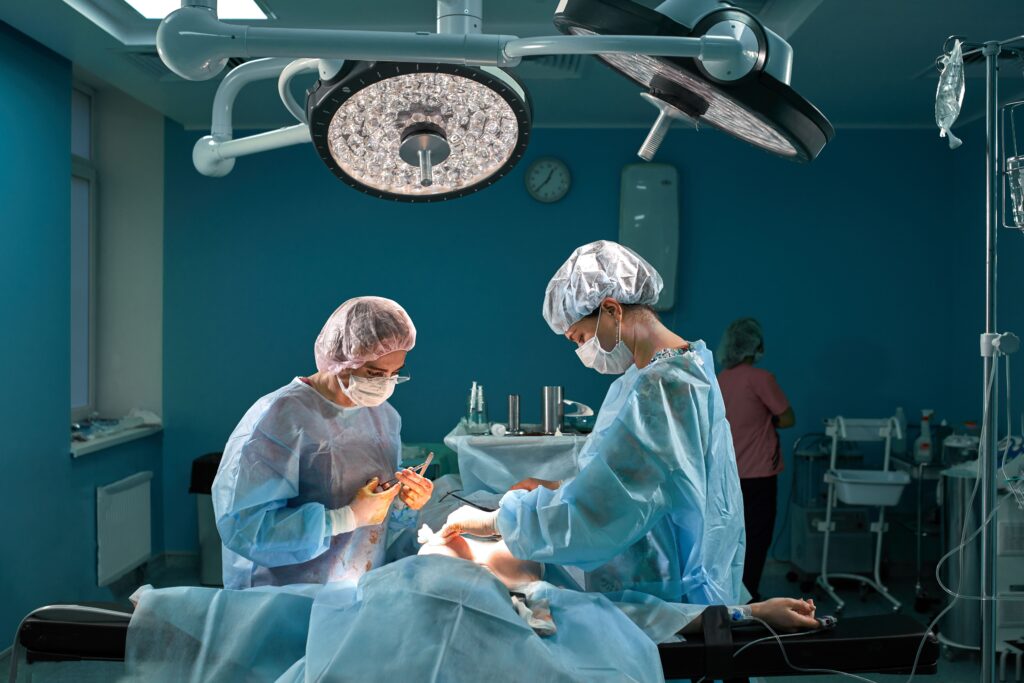
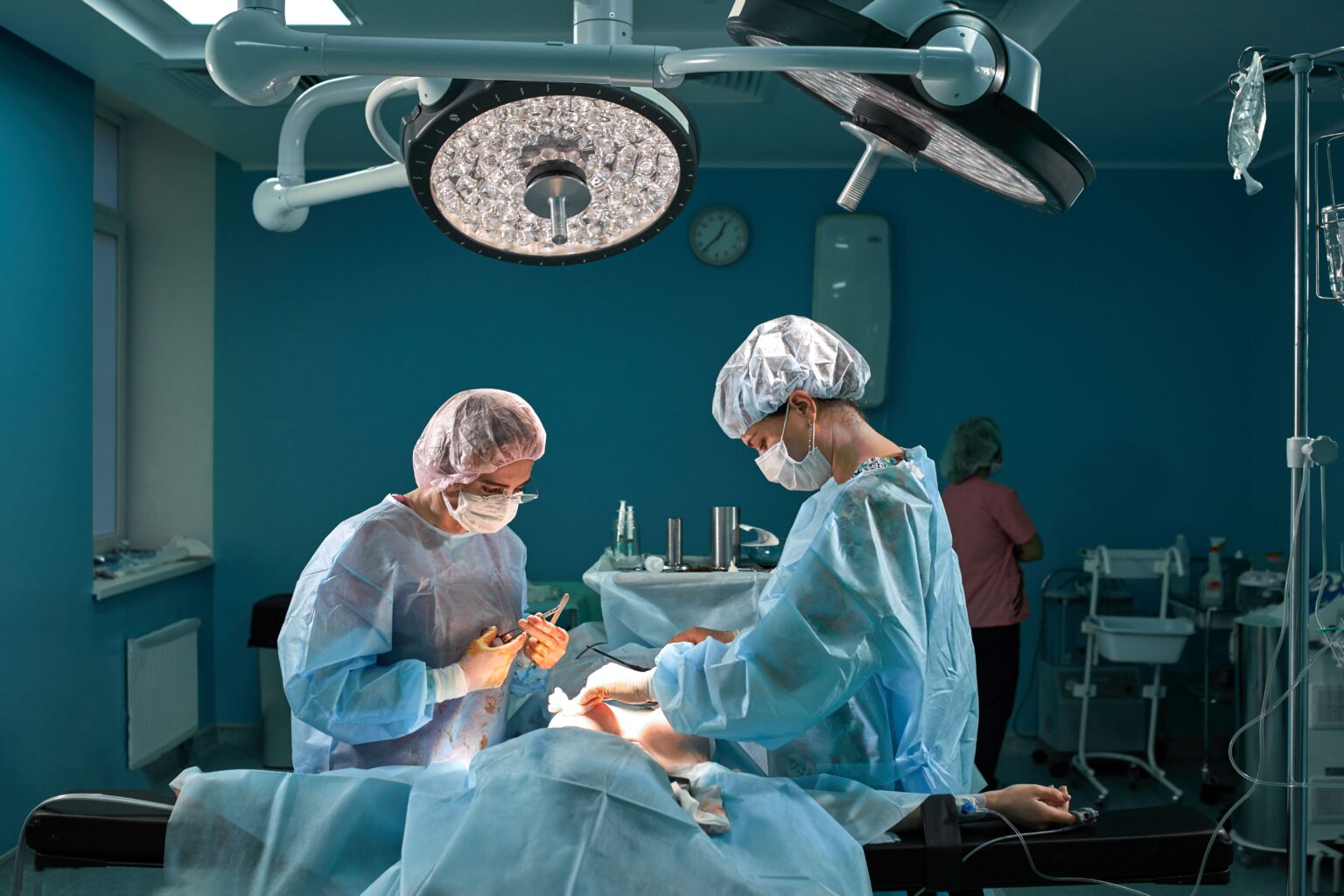
    The surgery usually lasts several hours. The patient is positioned comfortably, and the scalp is cleaned and numbed. In a standard craniotomy, the patient is under general anaesthesia. In an awake procedure, the patient is initially sedated while the bone flap is created. Once the brain is exposed, the anaesthesiologist reduces sedation to awaken the patient. The neurosurgeon uses electrical stimulation to map functional areas, asking the patient to perform simple tasks like counting or naming objects. This feedback guides the surgeon during tumour removal, aiming to preserve critical functions.

  • Immediate Post-Treatment

    After the surgery, the surgeon secures the bone flap and closes the scalp. Patients are transferred to a recovery room for initial monitoring before moving to a neurosurgical Intensive Care Unit (ICU) or high-dependency unit. Initial recovery focuses on maintaining stable neurological function and managing immediate symptoms like headache, fatigue, or temporary confusion.

Recovery & Aftercare

First 24-48 Hours

The immediate post-operative period involves frequent neurological assessments (checking speech, movement, and responses) to detect any changes early. Pain is managed with analgesics, and anti-seizure medications may be administered as a precaution. Patients may experience nausea or fatigue, which can be normal. Gradual sitting up and assisted walking occur as tolerated.

Warning signs that require immediate attention include:

  • Severe or worsening headache.
  • New neurological deficits (difficulty moving, speaking, or vision changes).
  • Seizures or excessive drowsiness.
First Week

As the patient stabilises, they transition from the ICU to a regular ward. Daily activities gradually increase with the assistance of a physiotherapist. The surgical dressing is usually removed after a few days, and the wound is checked. Most patients can go home within several days, depending on the extent of the surgery and their individual progress.

Long-term Recovery

Full recovery can take several weeks to a few months. During this time, the skull bone heals, and patients must follow activity restrictions, such as avoiding driving or heavy lifting, until cleared by their neurosurgeon. Follow-up appointments and imaging (such as MRI scans) help monitor healing and check for any late complications. Some patients may benefit from rehabilitation services:

  • Physiotherapy: To improve movement and strength.
  • Occupational Therapy: To manage daily activities.
  • Speech Therapy: If the surgery affected communication or swallowing.

Consult with a neurosurgeon to discuss post-procedure support and what to expect during your recovery.

Benefits

  • Direct Treatment: Enables the removal of tumours, blood clots, or other abnormalities.

  • Symptom Management: May help address headaches, seizures, or deficits caused by pressure on the brain.

  • Preservation of Function: Awake mapping allows neurosurgeons to make informed decisions during surgery, helping to optimise tumour resection while aiming to protect critical functions like speech and movement.

  • Diagnostic Capability: Allows for tissue samples to be collected for definitive diagnosis.

Note: Individual outcomes vary based on factors including tumour location, size, patient anatomy, and overall health status.

Risks & Potential Complications

While healthcare professionals take extensive precautions, all major surgeries involve risks.

Common Side Effects Temporary effects may include headaches, which usually improve with pain management. Local scalp numbness around the incision is common as nerves regenerate. Cognitive fatigue and difficulty concentrating may occur during the first few weeks as the brain heals. Minor swelling at the surgical site is normal and typically resolves within a week.
Potential Complications Serious complications, while less common, require prompt attention:

  • Bleeding or Infection: At the surgical site or within the brain.
  • Seizures: Caused by abnormal electrical activity in the brain after surgery.
  • Stroke: From potential blood vessel injury during the procedure.
  • Brain Swelling: Beyond expected levels, which may require medical management.
  • CSF Leak: Leakage of the fluid surrounding the brain, which may occur if the seal around the brain membrane doesn’t close completely.

Cost Considerations

The cost of brain surgery in Singapore varies based on several factors:

  • Procedure Complexity: The duration and complexity of the surgery, including whether it is an awake or standard craniotomy.
  • Hospital Stay: Duration of stay in the ICU versus a regular ward.
  • Technology Used: Use of specialised equipment such as neuronavigation or intraoperative imaging.
  • Rehabilitation Needs: Post-operative services like physiotherapy or speech therapy.

The total cost typically includes surgeon fees, anaesthetist charges, hospital facility fees, medications, and follow-up consultations. Most hospitals offer financial counselling to explain payment options and coverage details.

ask us anything

Frequently Asked Questions

Will I feel pain if I am awake during the surgery?

The brain itself does not have pain receptors. The scalp is fully numbed with local anaesthesia to reduce discomfort from the incision. Patients may feel pressure or mild pulling, but significant pain is uncommon. The anaesthesia team monitors comfort throughout.

How long does the surgery typically take?

Surgery duration varies based on the complexity and location of the lesion. It may take several hours. Your neurosurgeon can provide a more specific timeframe based on your case.

Will I need to have my entire head shaved?

Hair removal is usually limited to the planned incision line. Many neurosurgeons aim to preserve as much hair as possible. Hair typically regrows after the procedure.

When can I return to work?

This depends on the nature of your job and your rate of recovery. Desk-based work may be possible within several weeks, while physically demanding roles may require a longer period.

Can a craniotomy be performed more than once?

Yes, repeat surgery is possible if medically necessary, such as for a recurring condition. Your surgeon will weigh the risks and benefits of any revision surgery.

How soon after surgery can I travel?

Air travel is usually discouraged for a period after surgery to allow the risk of complications to decrease. Your neurosurgeon will provide clearance based on your recovery.

Conclusion

Craniotomy and awake craniotomy are neurosurgical approaches used to treat various brain conditions. While the thought of brain surgery may cause anxiety, modern techniques and neurosurgical care in Singapore have made these procedures more refined. These techniques aim to balance effective treatment with the preservation of critical functions and quality of life.

With appropriate patient selection, detailed planning, and careful surgical execution, a craniotomy may provide significant clinical improvement. Consultation with a qualified neurosurgeon can help determine the most appropriate approach for your specific condition and health needs.

Ready to Take the Next Step?

If you are considering craniotomy or awake craniotomy, a consultation with our Senior Consultant Neurosurgeon can help determine whether these approaches are appropriate for your condition.

doctor desktop w alpha doctor mobile w alpha

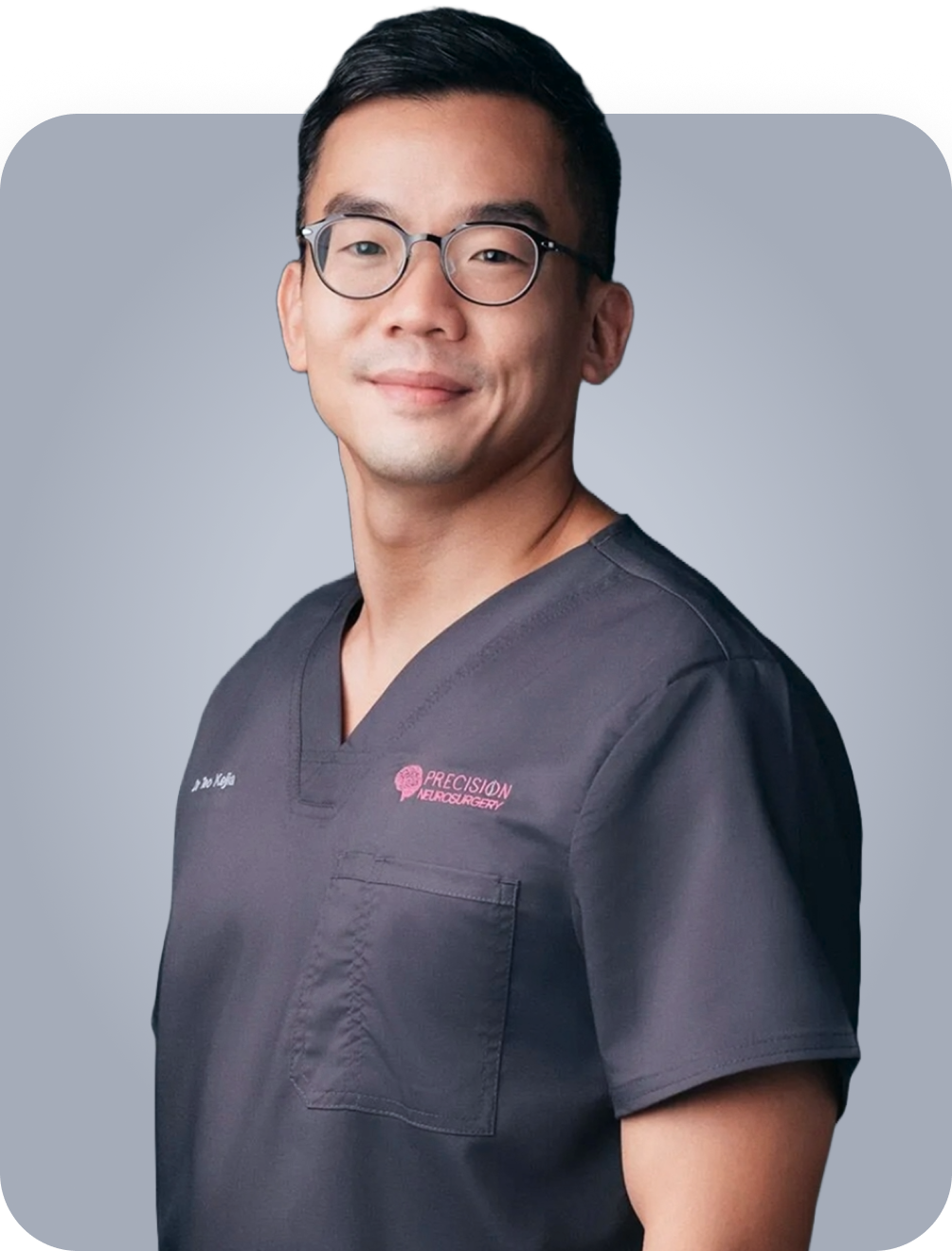
Dr Teo Kejia 张哿佳医生

MBBS (SG)MRCS (Edin)FAMSFRCS EdIFAANS

Dr Teo Kejia is an experienced Senior Consultant Neurosurgeon and Director at Precision Neurosurgery.

Dr Teo has extensive knowledge and experience in the field of neurosurgery, with a particular focus on complex brain tumour procedures. He is adept in employing advanced surgical techniques, including brain mapping and awake brain surgery, especially for treating gliomas and glioblastomas. His expertise extends to neuro-oncology, encompassing both brain and spinal tumours, as well as neurovascular and skull base surgery.

Additionally, Dr Teo offers treatment for a range of neurological conditions, such as traumatic head injuries, intracerebral aneurysms, and degenerative spine disorders, which include neck and back pain. He is also proficient in managing ischemic and haemorrhagic strokes, hydrocephalus, trigeminal neuralgia, and hemifacial spasm.

Make an Enquiry

Got Questions? Please fill in the enquiry form below and we look forward to addressing your question.

    Full Name*

    Email Address*

    Phone Number*

    Your Message*

    For Faster Response, Call us!

    +65‎ 6956‎ 6588

    Corporate & Personal Insurance Plans

    For Singaporeans, Singapore Permanent Residents and Foreigners.

    Please speak to our friendly clinic staff about using your insurance plans.