Brain Tumour Treatment in Singapore

Receiving a potential brain tumour diagnosis can be concerning, and it is normal to feel uncertain. Brain tumours, whether benign (non-cancerous growths that typically don’t spread) or malignant (cancerous growths that can spread to other areas), require timely medical evaluation and comprehensive care. In Singapore, access to appropriate diagnostic tools and treatment pathways can help patients understand their condition and make informed decisions about management.

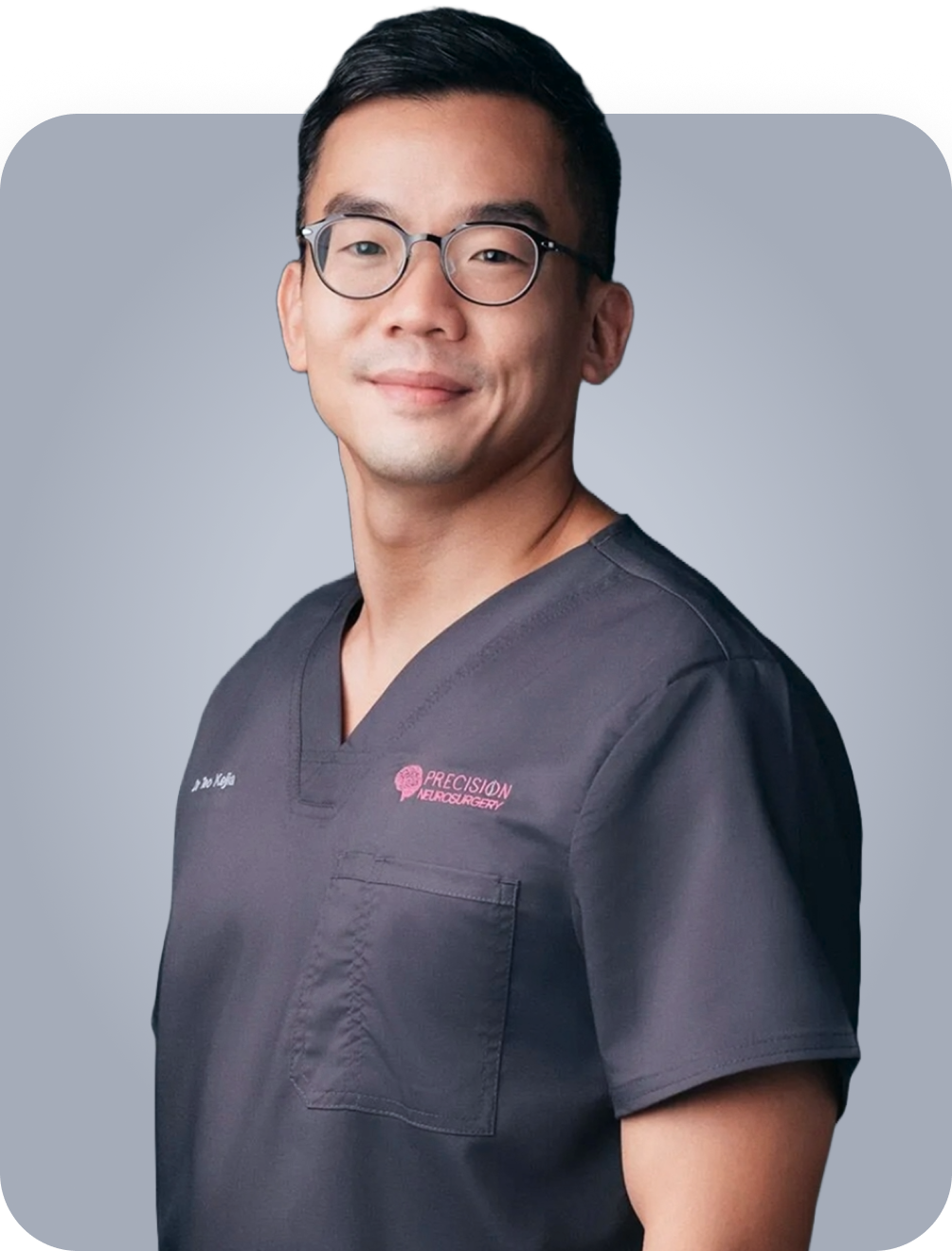
doctor img
Dr Teo Kejia (张哿佳医生)

MBBS (SG) MRCS (Edin) FAMS (Neuro Surg) FRCS Ed (Neuro Surg) IFAANS

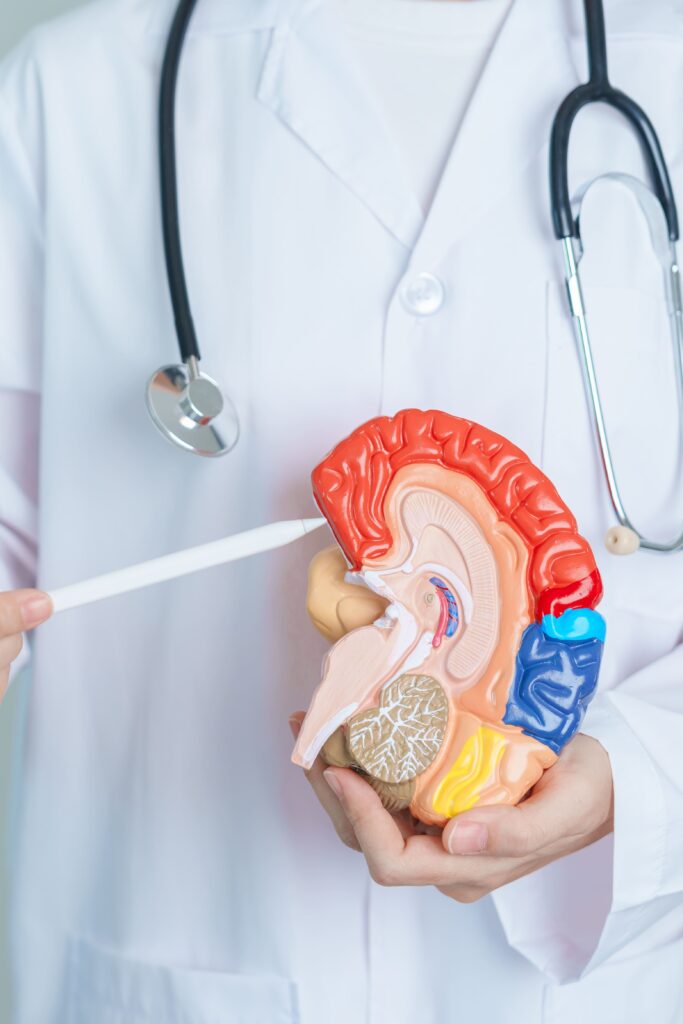
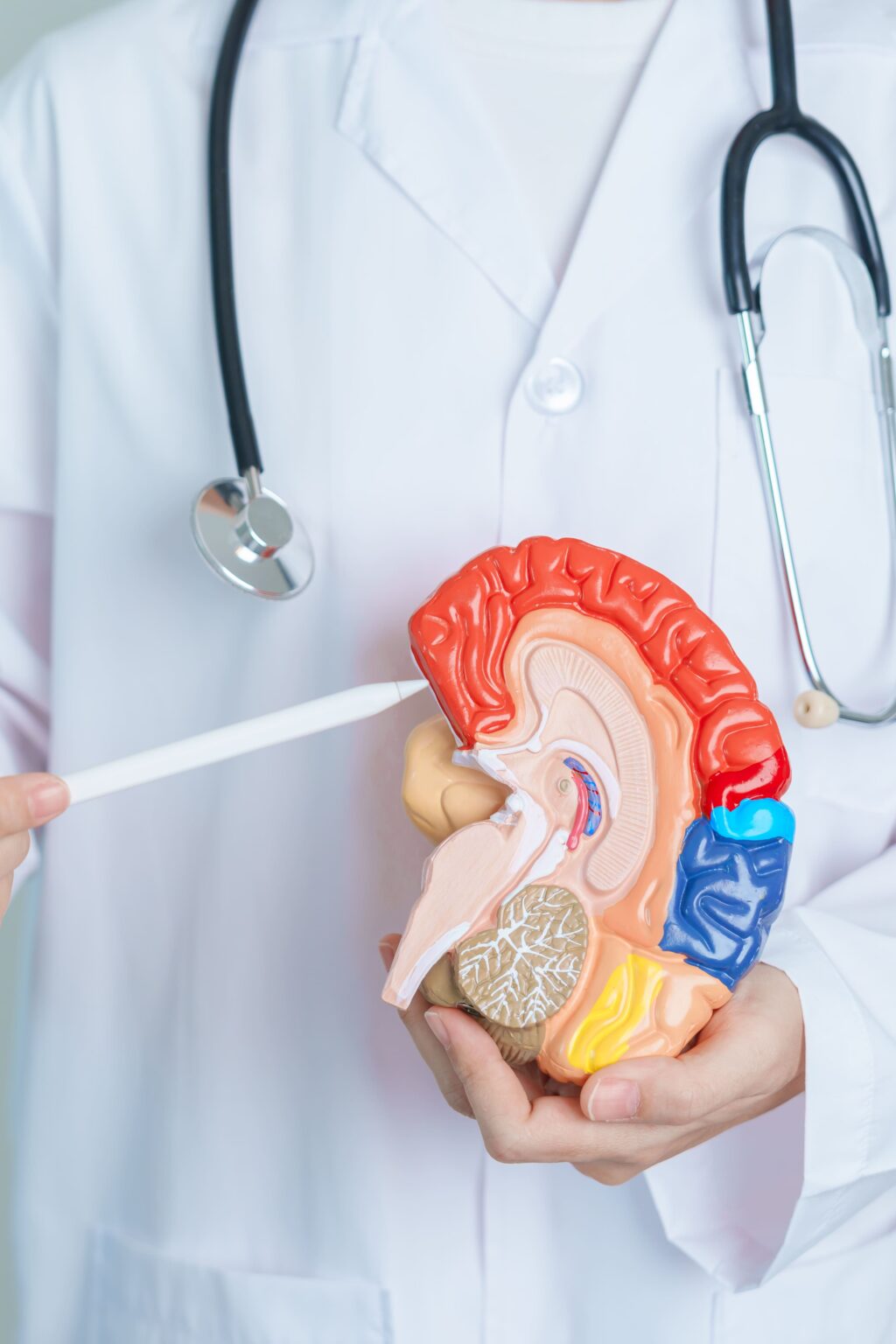
doctor holding human brain model world brain tumo 2026 01 08 07 03 54 utc Brain Tumour Treatment in Singapore

What is a Brain Tumour?

A brain tumour is an abnormal growth of cells within the brain or the central spinal canal. These masses can develop from brain tissue itself (primary brain tumours) or spread from cancers elsewhere in the body (secondary or metastatic brain tumours). Brain tumours may disrupt normal brain function through:

  • Pressing on the surrounding tissue
  • Inflammation or swelling
  • Distruption of cerebrospinal fluid flow (the fluid that cushions and protects the brain and spinal cord)

Brain tumours can occur at any age, though certain types are more common in specific age groups. Not all brain tumours are cancerous; benign tumours can produce symptoms depending on their location and size within the skull.

Types of Brain Tumours

Primary Brain Tumours

Primary brain tumours originate within the brain itself. Common types include:

  • Gliomas, which develop from glial cells, the support cells in the brain
  • Meningiomas, which arise from the protective membranes covering the brain and are usually benign
  • Pituitary adenomas, which form in the pituitary gland and can influence hormone production
Secondary Brain Tumours

Secondary or metastatic brain tumours develop when cancer cells from other parts of the body spread to the brain. Lung, breast, kidney, and skin cancers can metastasise to the brain. These tumours may appear as multiple lesions rather than a single mass.

Paediatric Brain Tumours

Children can develop types of brain tumours that differ from those seen in adults.

  • Medulloblastomas are fast-growing tumours that form in the lower part of the brain.
  • Ependymomas develop from cells lining the fluid-filled spaces in the brain and spinal cord.
  • Brain stem gliomas are tumours in the brain stem, which controls vital functions like breathing and heart rate.

Early evaluation and appropriate management are essential for optimal care.

Causes

The exact cause of most brain tumours remains unknown. Genetic changes may influence tumour development. These are alterations in the DNA of cells that may lead to abnormal growth. Some tumours are associated with inherited genetic conditions.

Risk Factors

  • Previous radiation exposure to the head, including medical treatments
  • Family history of brain tumours or genetic syndromes
  • Age, as certain tumours are more common at specific ages
  • Weakened immune system
  • Exposure to certain chemicals, though evidence is limited
  • Gender, as some tumour types are more prevalent in males or females

Environmental factors and lifestyle choices generally have minimal direct correlation with brain tumour development, unlike many other cancers.

Signs & Symptoms

Early Symptoms
  • Persistent headaches that worsen over time
  • Unexplained nausea or vomiting
  • Vision problems, such as blurred or double vision
  • Gradual loss of sensation in arms or legs
  • Balance difficulties
Progressive Symptoms
  • Seizures in people without a history of seizures
  • Personality or behaviour changes
  • Speech difficulties
  • Confusion in daily tasks
  • Memory problems
  • Hearing difficulties
Advanced Symptoms
  • Severe cognitive decline
  • Loss of bladder or bowel control
  • Extreme fatigue
  • Difficulty swallowing
  • Weakness or paralysis on one side of the body

Experiencing these symptoms?

Speak with our Senior Consultant Neurosurgeon, Dr Teo Kejia, to review your symptoms and discuss suitable diagnostic options.

When to See a Doctor

Seek immediate medical attention if you experience new-onset seizures, sudden severe headaches unlike any you have had before, or rapid vision changes. Progressive weakness, such as difficulty moving your arms or legs, also warrants urgent evaluation. Persistent vomiting without other illness and significant personality changes, such as unusual mood swings, confusion, or behavioural shifts, also require urgent evaluation.

Schedule a consultation if you notice persistent headaches that worsen with activity or with changes in position. Unexplained cognitive changes, such as memory problems, difficulty concentrating, or trouble finding words, require professional assessment. Balance problems developing over weeks and new neurological symptoms, such as numbness, tingling, or coordination difficulties, also need professional medical assessment.

During your first consultation, your neurosurgeon will conduct a thorough neurological examination and review your medical history. Professional assessment is important, as brain tumour symptoms can overlap with other conditions, and early evaluation may help guide appropriate care.

Diagnosis & Testing Methods

  • Neurological examination forms the foundation of brain tumour diagnosis. Your neurosurgeon will test reflexes, muscle strength, coordination, and sensory responses to help identify which brain areas may be affected.

  • Magnetic Resonance Imaging (MRI) provides detailed brain images and can help screen for potential tumours. The scan typically takes time and may require an injection of contrast dye. CT scans create cross-sectional images and are useful in emergencies or when an MRI is not suitable.

  • Advanced imaging techniques include functional MRI (fMRI) to map critical brain areas before surgery. PET scans can help distinguish between tumour types and identify metabolically active regions. Angiography examinesthe involvement of blood vessels.
    A biopsy provides a definitive diagnosis by sampling tissue. Stereotactic biopsy uses computer guidance to assess deep or sensitive areas precisely, while some cases may require an open biopsy during surgical removal.

  • Molecular testing of tumour tissue can provide information about the tumour’s genetic profile, which may help guide treatment decisions. Your neurosurgeon will advise on the timing of tests and provide results in a reasonable timeframe.

Treatment Options Overview


Surgical Removal Surgical removal is an option for brain tumours that are accessible. Neurosurgical techniques may include:

  • Computer-assisted navigation to help locate the tumour accurately
  • Awake craniotomy allows monitoring of critical functions such as speech and movement
  • Minimally invasive approaches using smaller incisions and specialised instruments ttopotentially reduce recovery time and complications

The extent of tumour removal depends on its location and proximity to vital structures.

Radiotherapy Radiotherapy uses high-energy beams to target tumour cells. Treatment options include:

  • Stereotactic radiosurgery, such as Gamma Knife, delivers highly focusedradiation to target tumour tissue or abnormal areas within the brain in a single session for selected cases
  • Fractionated radiotherapy, where radiation is delivered in smaller doses over several sessions for larger or more complex tumours
  • Proton beam therapy, which allows targeted radiation delivery while limiting exposure to surrounding brain tissue

Treatment planning is guided by imaging to define the treatment area while taking nearby healthy brain structures into consideration.

Chemotherapy Chemotherapy drugs target rapidly dividing cancer cells. Treatment approaches include: such as temozolomide, which can cross the blood-brain barrier
which are small discs placed directly where the tumour was removed to deliver chemotherapy directly to the tumour site after surgery
Combination protocols, where chemotherapy is used alongside other therapies
Treatment is typically given in cycles over several months, with regular monitoring to assess response and manage side effects.
 

Targeted Therapy

Targeted therapy focuses on specific molecular or biological features of tumour cells. These treatments are designed to act on identified pathways involved in tumour growth, rather than affecting all rapidly dividing cells. As a result, side effect profiles may differ from those of conventional chemotherapy. Laboratory analysis of tumour tissue, also known as molecular profiling, may help determine whether targeted treatment approaches are relevant in certain cases. Suitability depends on tumour type, genetic characteristics, and overall clinical assessment.
 

Supportive Care

Comprehensive care addresses symptoms and quality of life throughout treatment:

  • Medications to help reduce or control seizures
  • Medications to reduce brain swelling and pressure
  • Rehabilitation services such as physiotherapy, occupational therapy, or speech therapy to support functional recovery
  • Pain management measures to maintain comfort during care

Response to treatment varies between patients

Our neurosurgeon can review supportive care and treatment approaches suitable for your situation.

Complications if Left Untreated

Untreated brain tumours may continue growing and affect surrounding brain tissue. Increased pressure inside the skull can lead to herniation, a serious condition where brain tissue shifts position. Seizures may become more frequent and severe and, in some cases, can progress to status epilepticus.

Cognitive function may deteriorate as tumours can affect memory, reasoning, and processing areas. Language abilities, motor control, and sensory perception may decline progressively. Vision loss, hearing impairment, and hormonal imbalances can develop depending on the tumour location.

Symptoms can progressively impact daily functioning and quality of life. The rate of progression and severity of complications vary among patients depending on tumour type and growth pattern.

Awareness

Most brain tumours cannot be prevented. Early recognition of symptoms such as persistent headaches, vision changes, or seizures is important. If you notice these signs, consult a nneurosurgeonpromptly for assessment.

ask us anything

Frequently Asked Questions

Are all brain tumours cancerous?

No, many brain tumours are benign, meaning they do not spread to other parts of the body. However, they can still cause symptoms depending on their size and location. Examples of often benign tumours include meningiomas (growths in the protective membranes around the brain) and pituitary adenomas (growths in the gland that regulates hormones). Even benign tumours may require treatment if they affect critical brain structures or cause noticeable symptoms. Our neurosurgeon can clarify whether a tumour is benign or malignant based on imaging and biopsy results.

What determines if a brain tumour is operable?

Several factors are considered when evaluating whether surgery is suitable:

  • Tumour location: Those in accessible areas may be more easily removed than deep-seated or brainstem tumours
  • Tumour characteristics: Size, number of tumours, and proximity to critical structures influence surgical planning
  • Your overall health: Your ability to undergo surgery safely is assessed
  • Technological developments: Imaging and surgical techniques help guide decision-making

Our Neurosurgeon can review these factors and advise on the most appropriate approach for your condition.

Can brain tumours recur after treatment?

Recurrence risk depends on several factors:

  • Tumour type
  • Grade (how aggressive the cancer cells appear)
  • Treatment completeness

Some benign tumours rarely recur after complete removal. High-grade malignant tumours may have higher recurrence rates despite treatment. Regular imaging and follow-up appointments help monitor for any recurrence. Our neurosurgeon can explain your individual risk and discuss the monitoring plan suitable for your condition.

How do brain tumours in children differ from those in adults?

Brain tumours in children often develop in the cerebellum, which controls balance and coordination, or the brainstem, while adult tumours are more commonly found in the cerebrum, responsible for thinking and movement. Treatment plans take growth and development into account, and long-term follow-up may be needed to monitor learning and developmental outcomes.

Conclusion

Brain tumour diagnosis can be complex. Advances in medical care provide a range of diagnostic and treatment options, including:

  • MRI scans
  • CT scans
  • Contemporary imaging techniques

Understanding your condition can support informed decisions about your care. Working with a neurosurgeon ensures a thorough evaluation and personalised treatment planning based on each patient’s circumstances and risk factors.

Take the First Step Towards Better Health

If you notice persistent neurological symptoms or have received a brain tumour diagnosis, speak with our Senior Consultant Neurosurgeon for a comprehensive assessment and guidance on next steps.

doctor desktop w alpha doctor mobile w alpha

Dr Teo Kejia 张哿佳医生

MBBS (SG)MRCS (Edin)FAMSFRCS EdIFAANS

Dr Teo Kejia is an experienced Senior Consultant Neurosurgeon and Director at Precision Neurosurgery.

Dr Teo has extensive knowledge and experience in the field of neurosurgery, with a particular focus on complex brain tumour procedures. He is adept in employing advanced surgical techniques, including brain mapping and awake brain surgery, especially for treating gliomas and glioblastomas. His expertise extends to neuro-oncology, encompassing both brain and spinal tumours, as well as neurovascular and skull base surgery.

Additionally, Dr Teo offers treatment for a range of neurological conditions, such as traumatic head injuries, intracerebral aneurysms, and degenerative spine disorders, which include neck and back pain. He is also proficient in managing ischemic and haemorrhagic strokes, hydrocephalus, trigeminal neuralgia, and hemifacial spasm.

Make an Enquiry

Got Questions? Please fill in the enquiry form below and we look forward to addressing your question.

    Full Name*

    Email Address*

    Phone Number*

    Your Message*

    For Faster Response, Call us!

    +65‎ 6956‎ 6588

    Corporate & Personal Insurance Plans

    For Singaporeans, Singapore Permanent Residents and Foreigners.

    Please speak to our friendly clinic staff about using your insurance plans.