

Brain Aneurysm Treatment in Singapore

A diagnosis of a brain aneurysm can raise questions about available treatment options. A brain aneurysm is a weakened, bulging area in a brain artery that may rupture if left untreated. This medical condition requires assessment and management by a neurosurgeon. In Singapore, a range of diagnostic tools and treatment approaches are available to manage this condition. Brain aneurysms may be manageable when detected early and treated by qualified healthcare professionals.

doctor img
Dr Teo Kejia (张哿佳医生)

MBBS (SG) MRCS (Edin) FAMS (Neuro Surg) FRCS Ed (Neuro Surg) IFAANS

pexels shvetsa 4226119  Brain Aneurysm in Singapore

What is a Brain Aneurysm?

A brain aneurysm, also known as a cerebral aneurysm, is a balloon-like bulge that forms in a weakened area of a blood vessel wall in the brain. This bulge fills with blood and may rupture, causing bleeding into the surrounding brain tissue (haemorrhage). An aneurysm develops when the blood vessel wall becomes thin and weak, and the force of blood pressure pushes it outward.

Brain aneurysms can remain small and not rupture during a person’s lifetime. Some people have an unruptured brain aneurysm without being aware of it. The condition can become serious when a rupture occurs, potentially leading to a subarachnoid haemorrhage, which is bleeding in the space surrounding the brain.

Types of Brain Aneurysms

  • Saccular Aneurysms (Berry Aneurysms)

    Saccular aneurysms are the most commonly observed type. They appear as round, berry-shaped sacs attached to an artery by a narrow neck. They typically form at branching points of major arteries at the base of the brain, particularly in the Circle of Willis, which is a ring of blood vessels that supplies blood to the brain.

  • Fusiform Aneurysms

    Fusiform aneurysms involve the entire circumference of a blood vessel, causing it to balloon outward on all sides. Unlike saccular aneurysms, they don’t have a distinct neck and appear as a widening of the entire arterial segment. These aneurysms are less common and may be more challenging to treat surgically.

  • Mycotic Aneurysms

    Mycotic aneurysms are rare and result from infections that weaken the arterial wall. Despite the name suggesting a fungal origin, most are caused by bacterial infections. These aneurysms can develop anywhere within the brain’s vascular system and may require both treatment to repair the blood vessel and medication to address the infection.


Causes

  • Congenital weakness in arterial walls is present from birth
  • Hereditary conditions affecting blood vessel structure
  • Head trauma, such as a car accident or fall, that may damage arterial walls
  • Infections reaching the brain’s blood vessels
  • Atherosclerosis, the build-up of fatty deposits that harden and narrow arteries, weakening vessel walls

Risks

  • Family history of brain aneurysms
  • High blood pressure (hypertension), which places strain on artery walls
  • Smoking tobacco products
  • Age over 40 years
  • Female gender
  • History of a previous aneurysm
  • Polycystic kidney disease, an inherited condition causing fluid-filled cysts in the kidneys
  • Arteriovenous malformations (AVMs), abnormal tangles of blood vessels connecting arteries and veins
  • Use of recreational drugs
  • Excessive alcohol consumption

Signs & Symptoms

Unruptured Aneurysm Symptoms
  • Persistent headaches localised to one area
  • Pain behind or above one eye
  • Double vision or visual disturbances
  • Dilated pupils (when the dark centre of the eye appears larger than usual)
  • Numbness or weakness on one side of the face
  • Difficulty speaking
Ruptured Aneurysm Symptoms
  • Sudden, severe headache (often described as “worst headache of life”)
  • Nausea and vomiting
  • Stiff neck
  • Blurred or double vision
  • Sensitivity to light (photophobia)
  • Seizures (sudden, uncontrolled electrical activity in the brain causing convulsions or loss of awareness)
  • Loss of consciousness
  • Confusion or altered mental state
Warning Signs (Sentinel Bleeds)
  • Sudden headache occurring days or weeks before a major rupture
  • Brief loss of consciousness
  • Unexplained nausea
  • Neck pain or stiffness

Small warning bleeds may occur before a major rupture. The progression from minor symptoms to rupture can happen rapidly, so early recognition and prompt medical attention are important.

When to See a Neurosurgeon

Seek immediate medical attention if you experience a sudden, severe headache unlike any you have had before. This type of “thunderclap” headache may indicate a ruptured aneurysm and is a medical emergency, especially if it occurs alongside loss of consciousness, seizures, or severe neck stiffness.

For unruptured aneurysms, consider scheduling a consultation with a neurosurgeon if you experience persistent headaches accompanied by visual changes, such as blurred vision, double vision, or peripheral vision loss. This is especially important if you have multiple risk factors. Family members of patients with brain aneurysms may also consider screening, particularly if several relatives have been affected. The timing for screening depends on age and family history.

During the consultation, the neurosurgeon will review your symptoms, medical history and family history, perform a neurological examination, and recommend appropriate imaging studies. Early detection of unruptured aneurysms allows for planned management under controlled conditions rather than emergency intervention.

Diagnosis & Testing Methods


Cerebral angiography Cerebral angiography (a specialised X-ray of blood vessels in the brain) may be used to identify brain aneurysms. This procedure involves injecting contrast dye into blood vessels while X-ray images are taken. It can provide a detailed visualisation of the aneurysm’s size, location, and relations to surrounding vessels. The procedure is usually brief and requires monitoring afterwards.
 

CT (Computed Tomography) scans

CT (Computed Tomography) scans are often the first test performed, especially in emergency situations. A CT scan can detect bleeding in the brain from a ruptured aneurysm. CT angiography (CTA) combines CT scanning with contrast injection to produce detailed 3D images of blood vessels, helping to identify both ruptured and unruptured aneurysms.
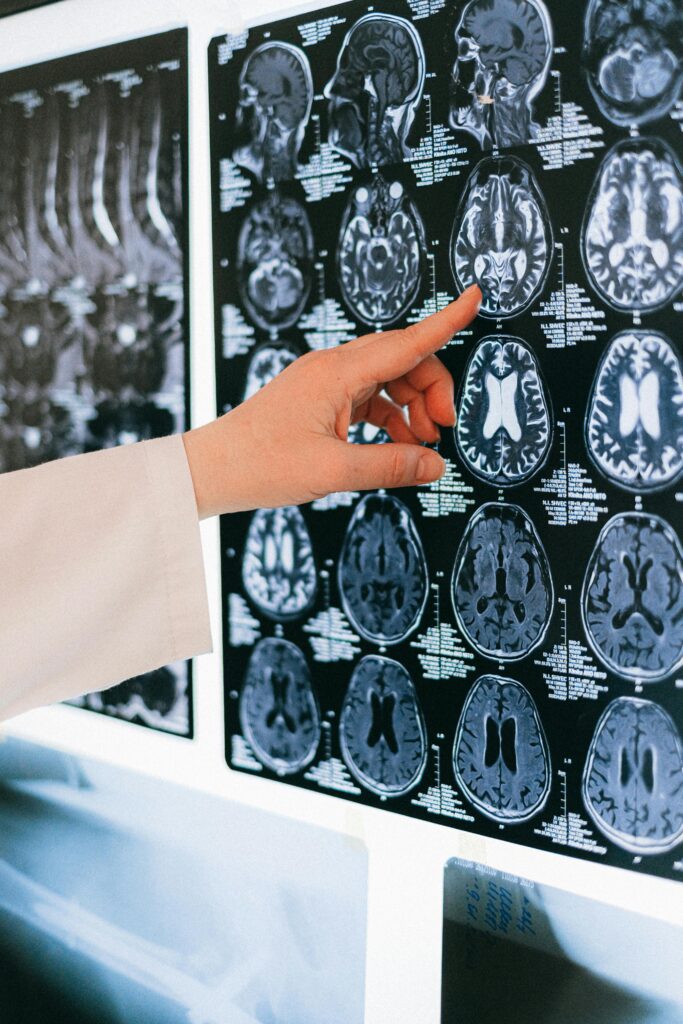
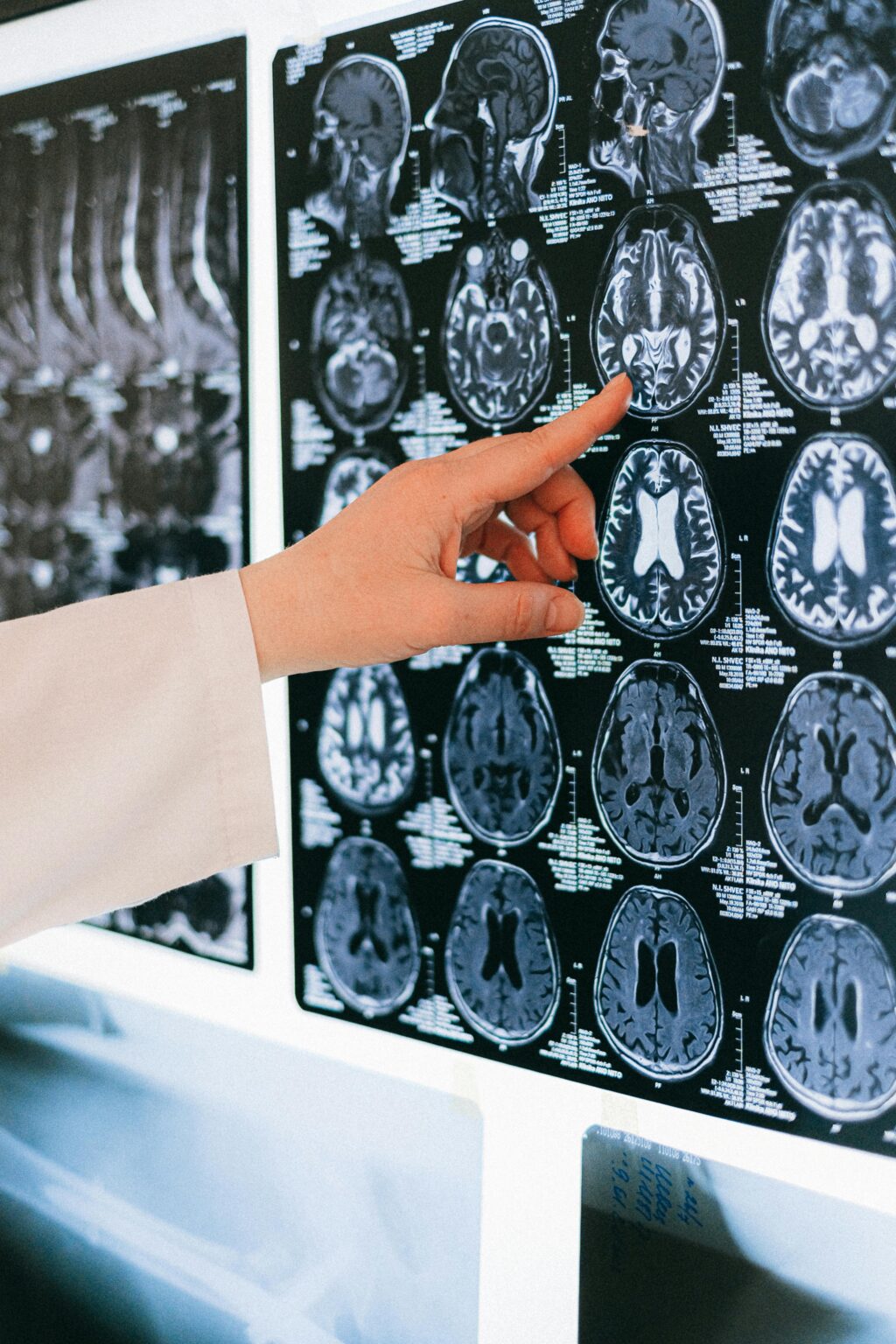
MRI (Magnetic Resonance Imaging) and MRA (Magnetic Resonance Angiography) MRI (Magnetic Resonance Imaging) and MRA (Magnetic Resonance Angiography) provide detailed brain images without radiation. These non-invasive tests may be helpful for screening and monitoring unruptured aneurysms. MRA can detect small aneurysms and may help with treatment planning.
Lumbar puncture Lumbar puncture (spinal tap) may be performed if subarachnoid haemorrhage (bleeding in the space around the brain) is suspected but not visible on a CT scan. During this procedure, a healthcare professional inserts a thin needle into the lower back to collect a small sample of cerebrospinal fluid (the fluid surrounding the brain and spinal cord). The sample is then checked for blood. Results are typically available within hours, though some specialised tests may take longer.

Treatment Options Overview

Surgical Clipping

Surgical clipping involves placing a small metal clip at the base of the aneurysm to stop blood flow into it. The neurosurgeon performs a craniotomy to access the aneurysm directly. This approach has been used for decades and may provide immediate closure of the aneurysm. The procedure typically takes several hours and requires microsurgical techniques. Recovery usually includes several days in intensive care, followed by rehabilitation.

Endovascular Coiling

Endovascular coiling is a minimally invasive procedure that does not require open surgery. A neurosurgeon inserts a thin, flexible tube (catheter) through an artery in the groin and guides it to the brain aneurysm. Platinum coils are then deployed into the aneurysm, encouraging blood clotting and sealing it off from normal circulation. Recovery times are generally shorter than with clipping, and patients often return home within a few days.

Flow Diversion Devices

Flow diverters are mesh tubes placed in the parent artery to redirect blood flow away from the aneurysm. These devices support the healing of the vessel wall while the aneurysm gradually shrinks in size. Flow diversion is generally used for large or complex aneurysms that are difficult to treat with surgical clipping or endovascular coiling. Placement is performed under anaesthesia, and patients usually require dual antiplatelet therapy (medication to prevent blood clots) for several months afterwards.

Medical Management

For small, unruptured aneurysms, careful monitoring may be appropriate. This involves:

  • Regular imaging studies (such as CT or MRI scans) to check for growth or changes
  • Blood pressure control
  • Lifestyle modifications

Medications to reduce blood pressure and prevent vasospasm (narrowing of blood vessels) are components of medical management. Some patients may remain stable with conservative treatment and imaging. Your neurosurgeon will determine the assessment schedule based on your individual risk factors and the characteristics of the aneurysm.

Combination Approaches

Complex aneurysms may require multiple treatment modalities. Some patients may benefit from staged procedures (treatments performed in separate sessions) or combining surgical and endovascular techniques. The neurosurgeon will determine the most appropriate approach based on the aneurysm’s characteristics, the patient’s individual factors, and available treatment options.

Every patient’s condition is unique.

Our neurosurgeon will assess your specific situation and recommend an appropriate treatment plan. Consult our neurosurgeon to discuss your aneurysm and the available treatment options.

Complications if Left Untreated

An untreated brain aneurysm that ruptures can cause subarachnoid haemorrhage (bleeding in the space surrounding the brain). This is a serious medical condition that can be life-threatening. Survivors may experience neurological complications, which can include paralysis, speech difficulties, memory problems, and personality changes. The bleeding may increase pressure inside the skull, potentially causing brain damage.

Rebleeding can occur after an initial rupture if the aneurysm remains untreated. Vasospasm (narrowing of brain arteries) may develop after haemorrhage, restricting blood flow to brain tissue and causing stroke-like symptoms, such as weakness, confusion, or vision disturbances.

Hydrocephalus (fluid buildup in the brain that increases pressure) may develop after aneurysm rupture. This condition may require surgical placement of a shunt, a thin tube that drains excess fluid to relieve the pressure. Long-term cognitive impairment may also occur, potentially impacting daily activities, work, and relationships.

Prevention

While some risk factors, such as family history, cannot be changed, several lifestyle measures may help reduce the risk of brain aneurysms. Controlling blood pressure through medication and lifestyle adjustments is important. Maintaining blood pressure within recommended levels may help reduce stress on arterial walls. Your neurosurgeon will set specific blood pressure targets based on individual risk factors, age, and overall health. Regular monitoring and adherence to prescribed medication are essential for those with hypertension.

Stopping smoking may also help lower aneurysm risk. Tobacco use can increase the likelihood of aneurysm formation and rupture. Support programmes and nicotine replacement therapy, such as patches, gum, or prescribed medications, can assist with quitting. Avoiding recreational drugs and limiting alcohol consumption may also further reduce risk.

Individuals at higher risk, such as those with a family history of brain aneurysms, should discuss appropriate screening schedules with their doctor. Screening typically involves MRA (magnetic resonance angiography) or CTA (computed tomography angiography) to visualise arteries. Managing other vascular risk factors, such as high cholesterol and diabetes, may also help prevent vascular disease.

ask us anything

Frequently Asked Questions

Can brain aneurysms be hereditary?

Brain aneurysms can have a genetic component. If you have multiple first-degree relatives (parents, siblings, children) with brain aneurysms, your risk may increase. Familial aneurysms may rupture at a younger age and be smaller than those that occur sporadically. Genetic screening can identify certain inherited conditions associated with aneurysms, such as polycystic kidney disease or Ehlers-Danlos syndrome. Our neurosurgeon can review your family history and recommend appropriate screening or monitoring.

What does brain aneurysm surgery involve in Singapore?

Brain aneurysm treatment in Singapore is carried out using recognised surgical and endovascular techniques. For unruptured aneurysms, surgical clipping involves placing a small metal clip at the base of the aneurysm to stop blood flow into it. Endovascular coiling involves placing soft platinum coils inside the aneurysm via a catheter inserted through an artery. The choice of procedure depends on factors such as the size and location of the aneurysm, as well as the patient’s age and overall health. Our neurosurgeon will review your individual situation and explain which treatment approach may be suitable during consultation.

How long is the recovery after aneurysm treatment?

Recovery after brain aneurysm treatment depends on the type of procedure and whether the aneurysm was ruptured or unruptured. Following endovascular coiling, patients usually have a shorter hospital stay, while surgical clipping involves hospitalisation after the procedure. Recovery after treatment can vary based on factors such as the patient’s overall health and the complexity of the aneurysm. Our neurosurgeon will provide guidance on what to expect during your recovery and recommend appropriate follow-up care.

Can I fly or exercise with an unruptured brain aneurysm?

Patients with stable, unruptured aneurysms may continue normal activities with appropriate precautions. Air travel is generally considered safe, as changes in cabin pressure are unlikely to affect the aneurysm. Activities that cause significant increases in blood pressure, such as heavy weightlifting or high-intensity exercise, Contact sports carry additional risk due to potential head trauma. Our neurosurgeon can provide guidance on suitable activities based on your aneurysm’s size, location, and stability.

Are there any contemporary treatments for brain aneurysms available in Singapore?

Several treatment approaches are available depending on the characteristics of the aneurysm. Flow diverter stents (mesh tubes that redirect blood flow away from the aneurysm) may be used for large or complex aneurysms. WEB (Woven EndoBridge) devices (mesh implants that fill the aneurysm and encourage clotting) can be considered for wide-necked aneurysms. Imaging techniques, such as 3D rotational angiography, help the neurosurgeon plan procedures with precision. Our neurosurgeon will discuss whether these contemporary treatments are appropriate for your specific case.

What follow-up care is needed after aneurysm treatment?

Follow-up care after aneurysm treatment involves monitoring the treated aneurysm and checking for new aneurysms. After endovascular coiling, healthcare professionals typically perform imaging studies, such as MRI or CT angiography, at intervals for the first few years. Surgical clipping may require imaging less frequently, typically at one-year intervals, then periodically. Blood pressure monitoring and medication management continue long-term. Patients with a family history of aneurysms may require ongoing monitoring for new aneurysm formation. Our neurosurgeon will create a personalised follow-up schedule based on your specific treatment and risk factors.

Conclusion

Brain aneurysms represent a serious but treatable condition when managed by a neurosurgeon. Early detection and appropriate intervention can help manage risk. Understanding your condition and treatment options can help you make informed decisions about your health.

Management begins with a timely consultation with a qualified healthcare professional who can assess your individual situation and recommend suitable treatment strategies. Our neurosurgeon can provide guidance on monitoring and treatment tailored to your specific needs.

Take the First Step Towards Better Health

Receiving a brain aneurysm diagnosis can be worrying, but you don’t have to face it alone. If you have concerns or have been diagnosed, consult our neurosurgeon to discuss your individual situation. We can review your risk factors, explain potential treatment approaches, and provide guidance tailored to your needs.

doctor desktop w alpha doctor mobile w alpha

Dr Teo Kejia 张哿佳医生

MBBS (SG)MRCS (Edin)FAMSFRCS EdIFAANS

Dr Teo Kejia is an experienced Senior Consultant Neurosurgeon and Director at Precision Neurosurgery.

Dr Teo has extensive knowledge and experience in the field of neurosurgery, with a particular focus on complex brain tumour procedures. He is adept in employing advanced surgical techniques, including brain mapping and awake brain surgery, especially for treating gliomas and glioblastomas. His expertise extends to neuro-oncology, encompassing both brain and spinal tumours, as well as neurovascular and skull base surgery.

Additionally, Dr Teo offers treatment for a range of neurological conditions, such as traumatic head injuries, intracerebral aneurysms, and degenerative spine disorders, which include neck and back pain. He is also proficient in managing ischemic and haemorrhagic strokes, hydrocephalus, trigeminal neuralgia, and hemifacial spasm.

Make an Enquiry

Got Questions? Please fill in the enquiry form below and we look forward to addressing your question.

    Full Name*

    Email Address*

    Phone Number*

    Your Message*

    For Faster Response, Call us!

    +65‎ 6956‎ 6588

    Corporate & Personal Insurance Plans

    For Singaporeans, Singapore Permanent Residents and Foreigners.

    Please speak to our friendly clinic staff about using your insurance plans.