Navigating Brain Tumour Treatment in Singapore – How to Choose the Right Brain Surgeon
Our brains are at the core of everything we do—our thoughts, memories, movements, and even our emo
acf domain was triggered too early. This is usually an indicator for some code in the plugin or theme running too early. Translations should be loaded at the init action or later. Please see Debugging in WordPress for more information. (This message was added in version 6.7.0.) in /home/precisio/public_html/wp-includes/functions.php on line 6121
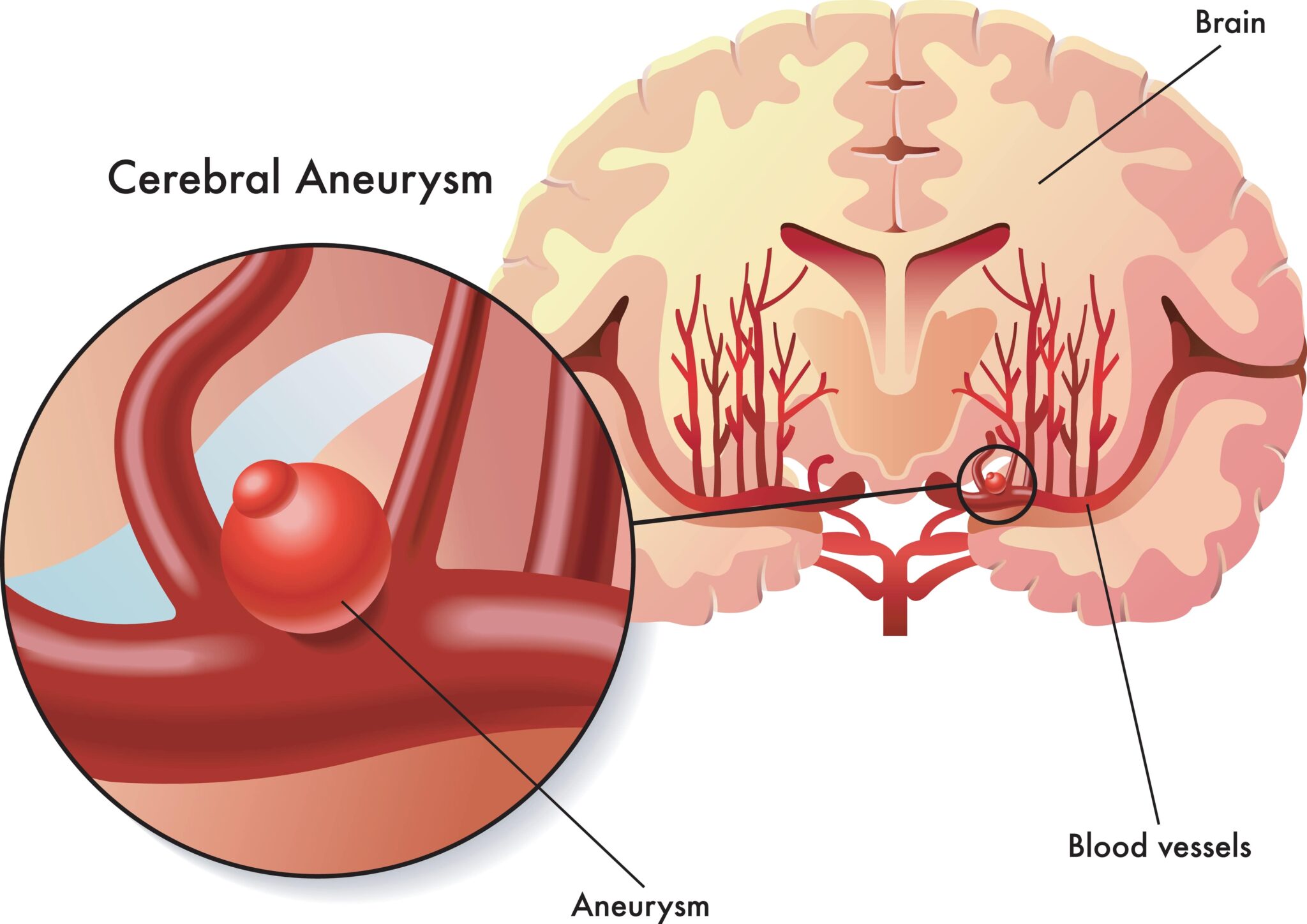
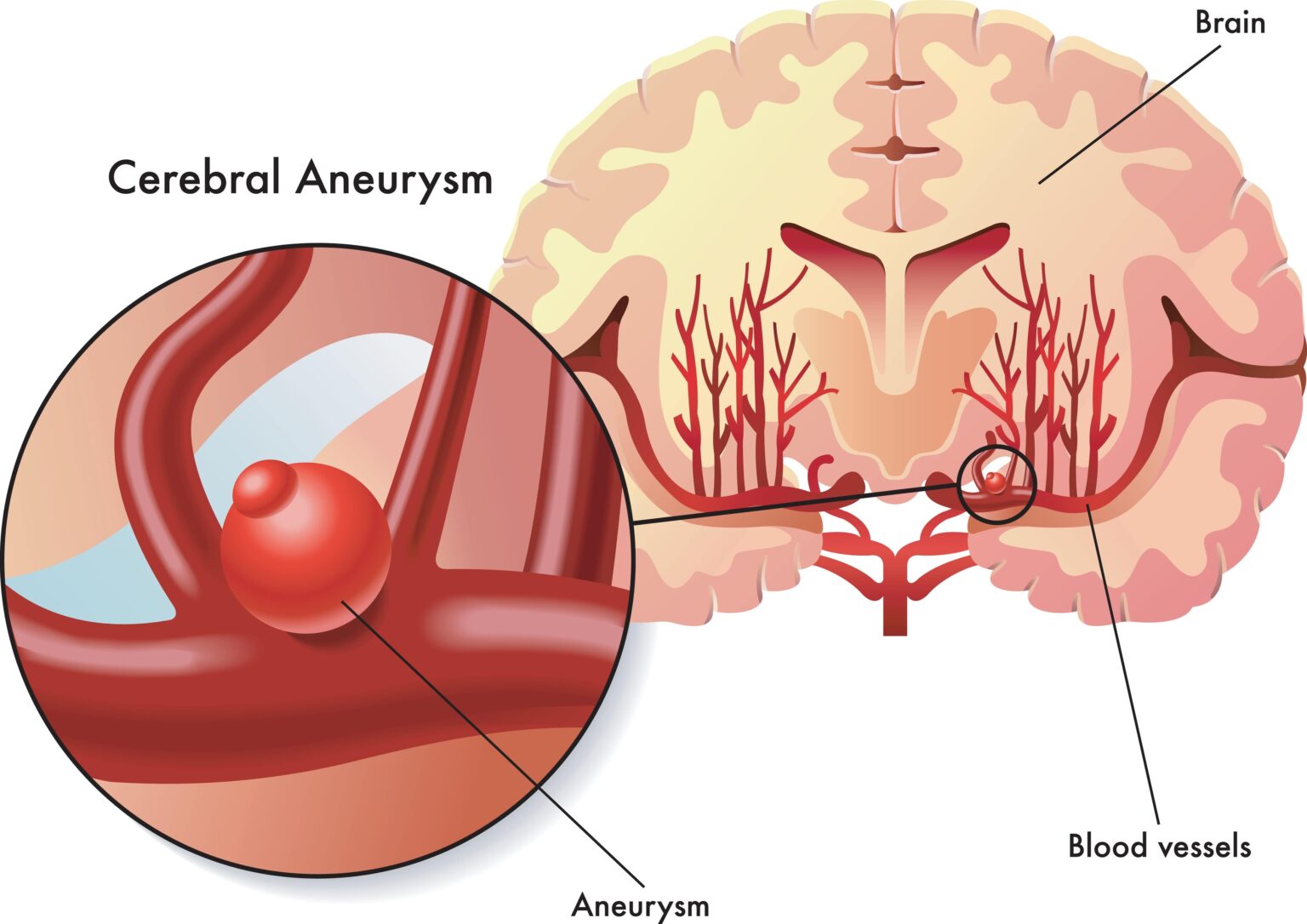
Brain aneurysms can severely impact lifestyle and is best to be treated at the earliest sign. There are various types of brain aneurysms — ruptured, unruptured and some being asymptomatic. They generally affect adults over 30 but can happen at any age. If your loved one is experiencing any of the following symptoms, it is best to stay informed about the brain aneurysm treatment options in Singapore.
Brain aneurysms, also referred to as cerebral or intracranial aneurysms, manifest as weakened areas in arterial walls within the brain, resulting in bulges or balloon-like enlargements. While some aneurysms remain benign, larger ones carry the risk of rupture. A ruptured aneurysm is life-threatening and warrants immediate medical attention as it can lead to severe conditions such as haemorrhagic stroke or even fatality.
Identifying the predisposing factors associated with brain aneurysms is paramount for early detection and mitigation. While susceptibility extends across demographic lines, certain variables elevate risk. These include:
Identifying the predisposing factors associated with brain aneurysms is paramount for early detection and mitigation. While susceptibility extends across demographic lines, certain variables elevate risk. Unruptured aneurysms are presented as asymptomatic. However, if you or your loved ones are experiencing any of the following symptoms, it may be an indication of a ruptured aneurysm and a proper diagnosis is required. Symptoms of a ruptured aneurysm include:
Ruptured aneurysms are life-threatening, and if you are experiencing any of the symptoms, it is crucial to seek immediate medical help for a proper diagnosis and adequate treatment plan.

Depending on the type of aneurysm, its location, and the patient’s overall health, there are unique brain aneurysm treatment options available for every case.
Surgical clipping, a cornerstone of aneurysm treatment, involves a craniotomy—a surgical opening of the skull—to access the aneurysm directly. Once exposed, a neurosurgeon carefully places a small metal clip across the neck of the aneurysm, effectively isolating it from the arterial circulation and preventing rupture. This approach offers durable protection and is particularly suited for aneurysms with well-defined necks and accessible locations.
Endovascular treatment is a minimally invasive alternative to surgical clipping, which involves the blood vessels. This treatment includes coiling, flow diversion, and stenting. For coiling of aneurysms, a catheter is navigated through the blood vessels from the groin to the site of the aneurysm under fluoroscopic guidance. Once positioned, detachable coils are deployed into the aneurysm, promoting thrombosis and occlusion. Coiling offers advantages such as shorter hospital stays, reduced recovery times, and avoidance of craniotomy-related risks. It is particularly beneficial for aneurysms located in deep or challenging-to-access regions of the brain.

For individuals undergoing treatment for brain aneurysms, the path to recovery entails a blend of challenges and prospects. Treatment modalities vary based on aneurysm size, location, and patient health. Following treatment, patients typically undergo a rehabilitation phase to restore physical strength, cognitive function, and overall well-being. This regimen often encompasses physical therapy, occupational therapy, speech therapy, and psychological support to address emotional hurdles.
Clarifying common inquiries and uncertainties surrounding treatment strategies for brain aneurysms is useful during a consultation with a brain aneurysm specialist.
Primary treatment modalities encompass surgical clipping and endovascular treatments. Surgical clipping involves the placement of a metal clip to obstruct blood flow into the aneurysm, while endovascular treatments utilise catheter-based deployment of coils or stents within the aneurysm to induce clotting and closure.
Recovery timelines hinge on diverse factors, including the severity of the stroke, treatment type, aneurysm characteristics, and patient health. While some individuals recuperate within weeks, others necessitate several months or more.
While absolute prevention remains elusive, lifestyle adjustments like smoking cessation, blood pressure management, and adherence to a wholesome diet and weight regime can mitigate risk factors.
No, many aneurysms are asymptomatic, evading detection until rupture or incidental discovery during unrelated diagnostic procedures.
It is best to consult a brain aneurysm specialist in Singapore to seek treatment as soon as symptoms show. At Precision Neurosurgery, we offer a range of services, from consultations to treatment plans catered to different conditions, including traumatic head injuries and intracerebral aneurysms. Rest assured, your health is in good hands.
If you or a loved one is experiencing symptoms of an aneurysm, reach out to us here before it’s too late.
Consult with Dr Teo for a comprehensive evaluation and a personalised treatment plan.
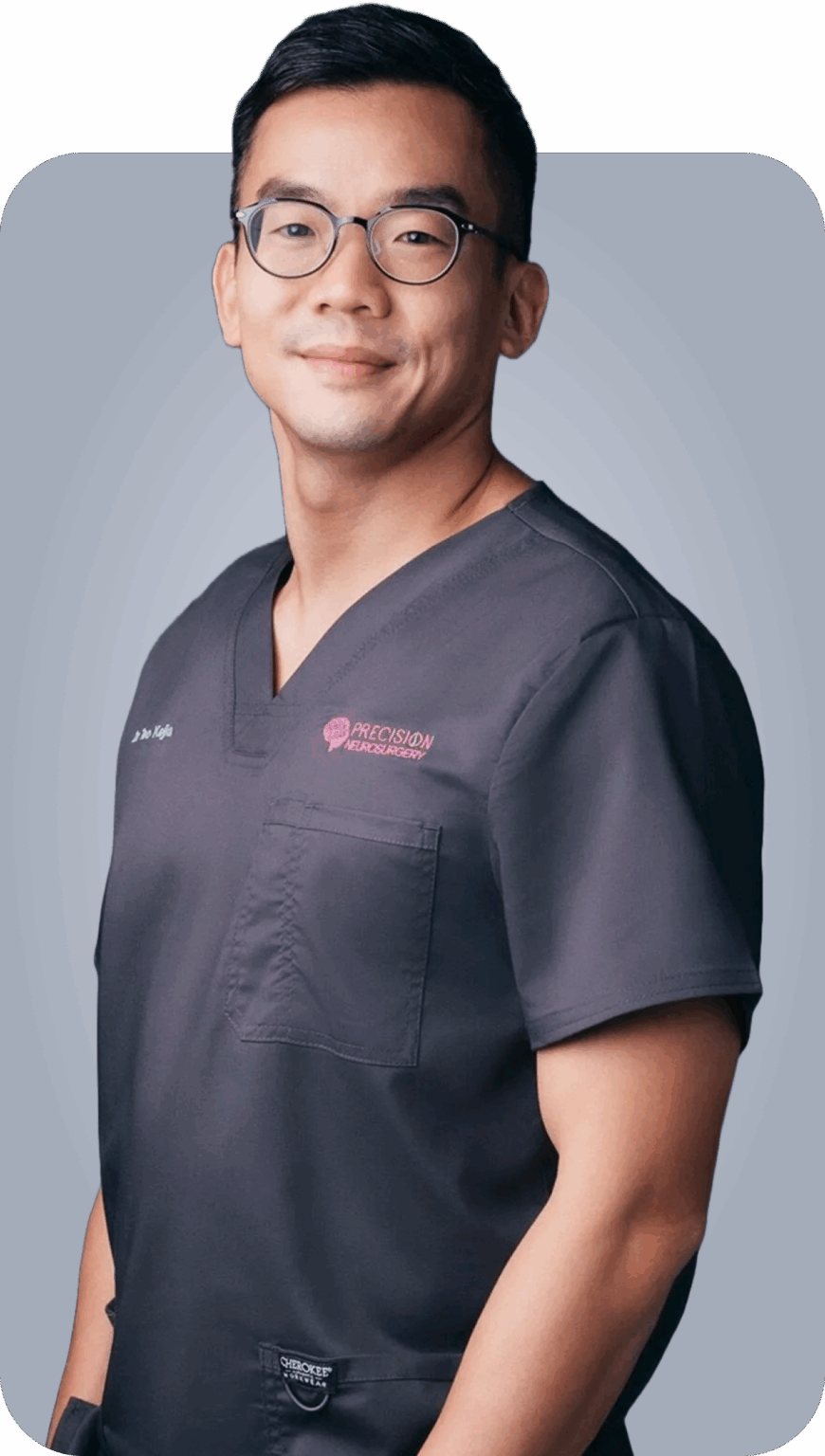
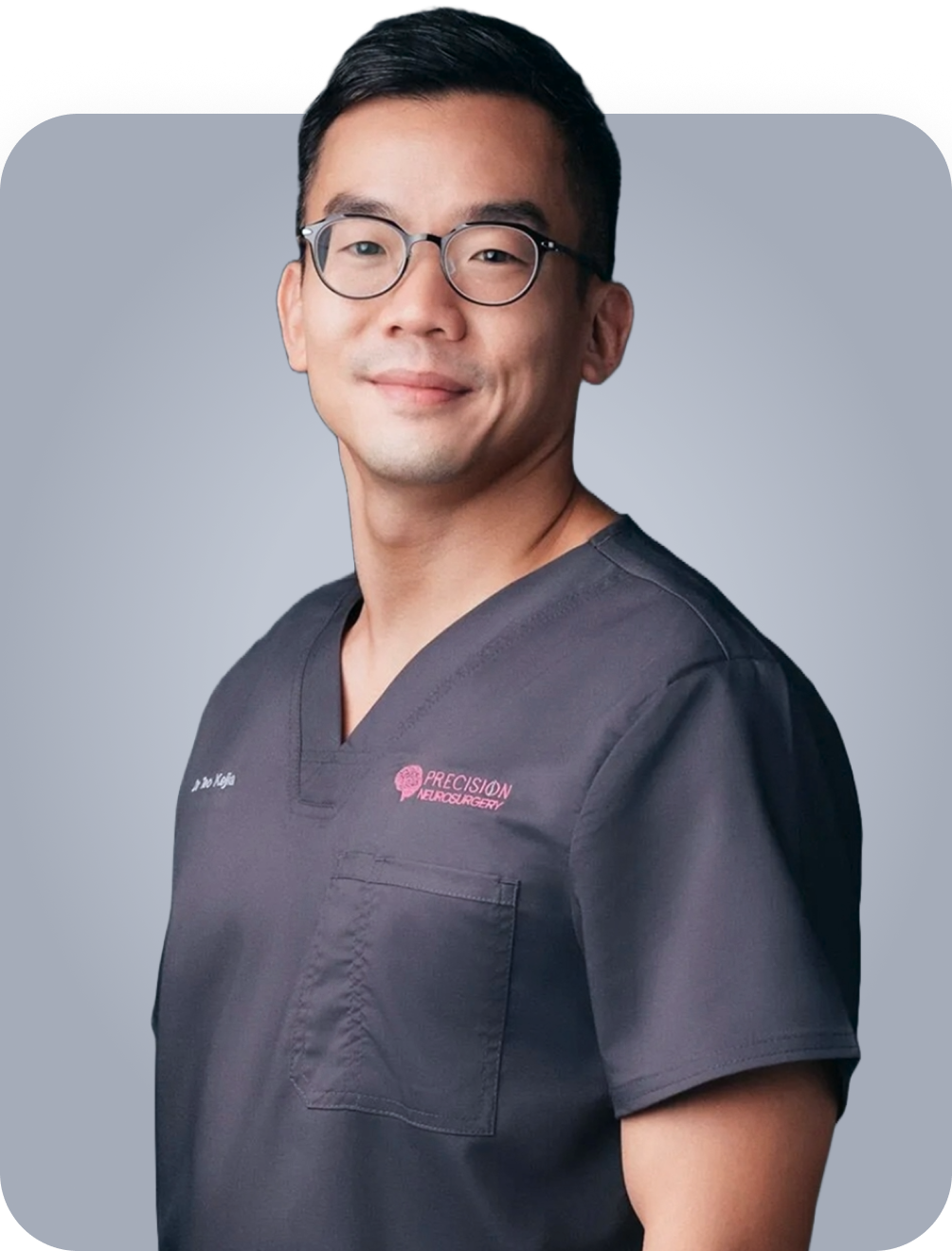
Dr Teo Kejia is a Senior Consultant Neurosurgeon and Medical Director at Precision Neurosurgery, with more than 15 years of clinical experience.
Dr Teo has extensive knowledge and experience in the field of neurosurgery, with a particular focus on complex brain tumour procedures. He is adept in employing advanced surgical techniques, including brain mapping and awake brain surgery, especially for treating gliomas and glioblastomas. His expertise extends to neuro-oncology, encompassing both brain and spinal tumours, as well as neurovascular and skull base surgery.
Additionally, Dr Teo offers treatment for a range of neurological conditions, such as traumatic head injuries, intracerebral aneurysms, and degenerative spine disorders, which include neck and back pain. He is also proficient in managing ischemic and haemorrhagic strokes, hydrocephalus, trigeminal neuralgia, and hemifacial spasm.
Have a question or need more information? Please fill in the form below, and our team will assist you.
Our brains are at the core of everything we do—our thoughts, memories, movements, and even our emo
Degenerative spine conditions refer to disorders that occur when there is a gradual deterioration of
Beyond conventional surgical treatments, awake brain surgery presents the intersection of precision,

While occasional headaches are common and often not a cause for concern, frequent headaches accompan

Head injuries, commonly referred to as traumatic brain injuries (TBI), refer to a traumatic experien
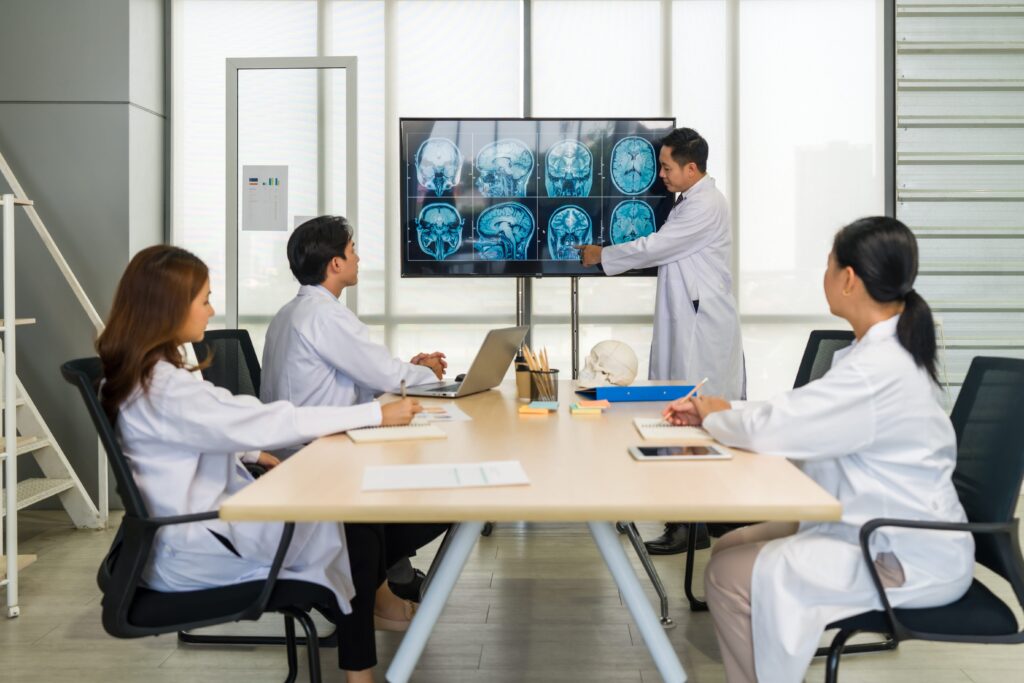
Living with a brain tumour can be a daunting journey filled with uncertainty and questions. From und
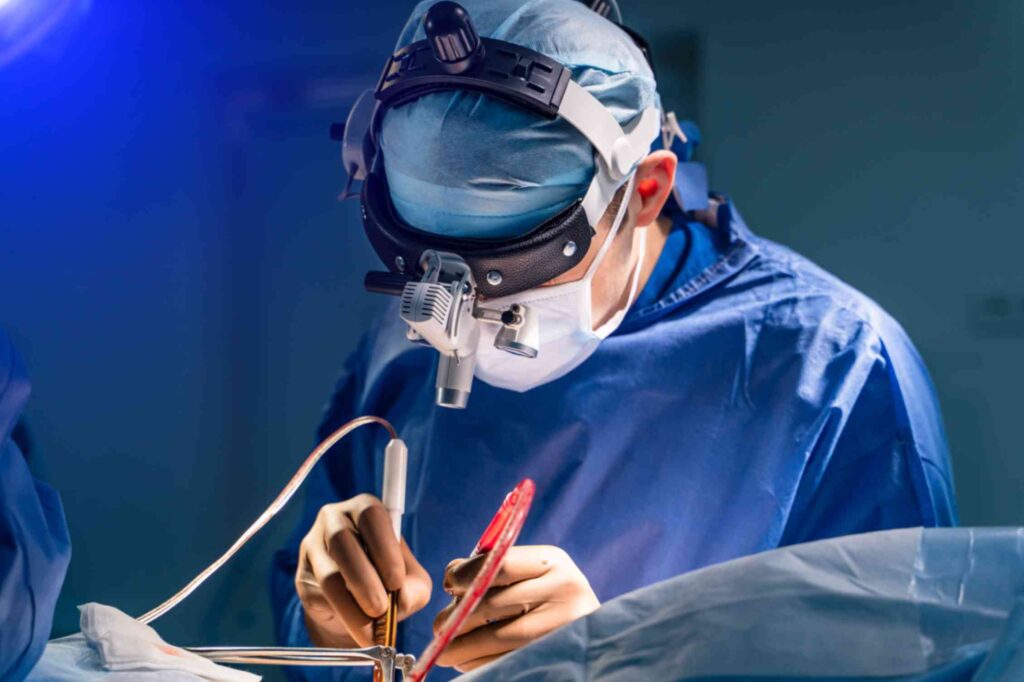
Neurological irregularities can impact your life subtly and can be easily shrugged off as tiredness