Navigating Brain Tumour Treatment in Singapore – How to Choose the Right Brain Surgeon
Our brains are at the core of everything we do—our thoughts, memories, movements, and even our emo
acf domain was triggered too early. This is usually an indicator for some code in the plugin or theme running too early. Translations should be loaded at the init action or later. Please see Debugging in WordPress for more information. (This message was added in version 6.7.0.) in /home/precisio/public_html/wp-includes/functions.php on line 6121
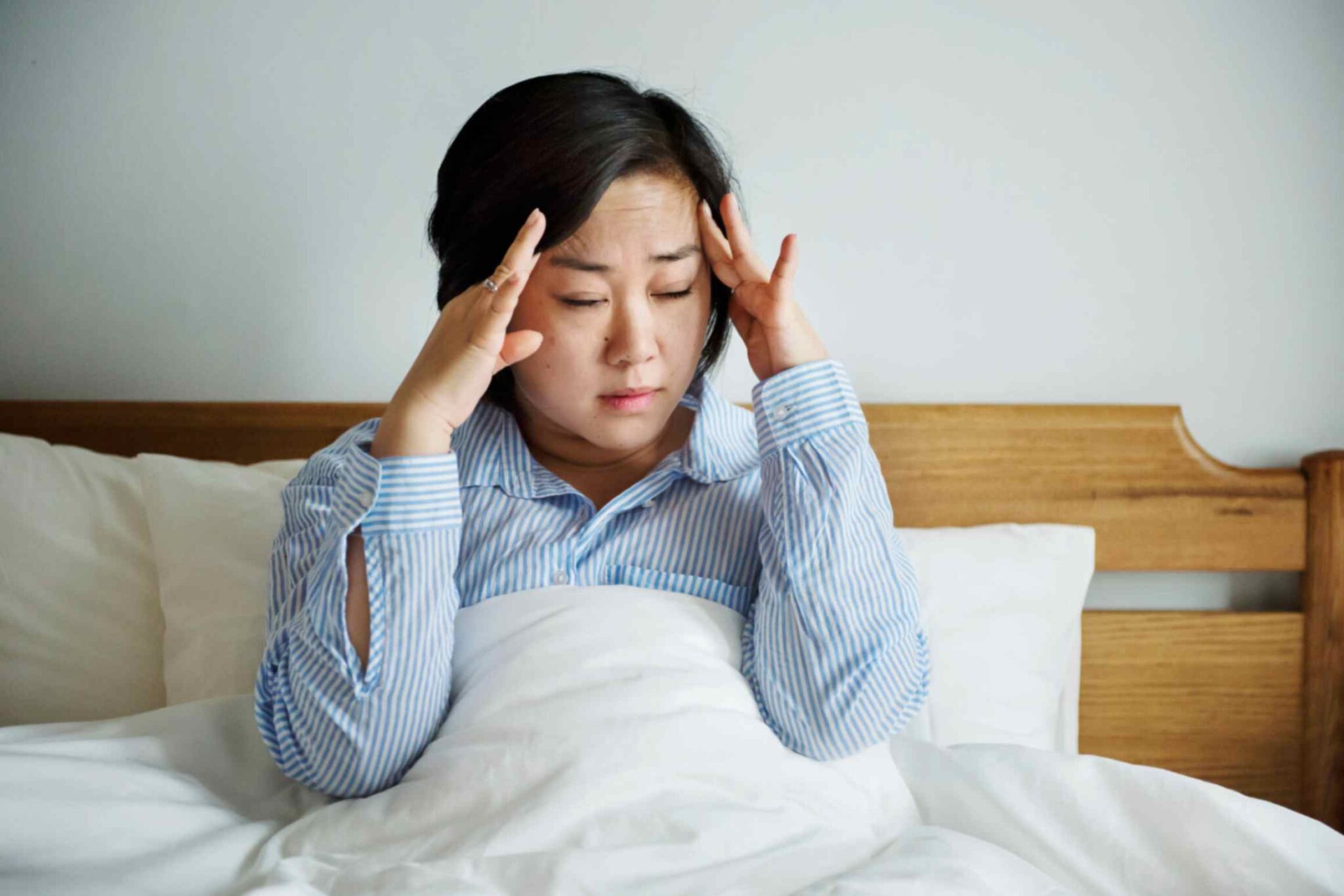
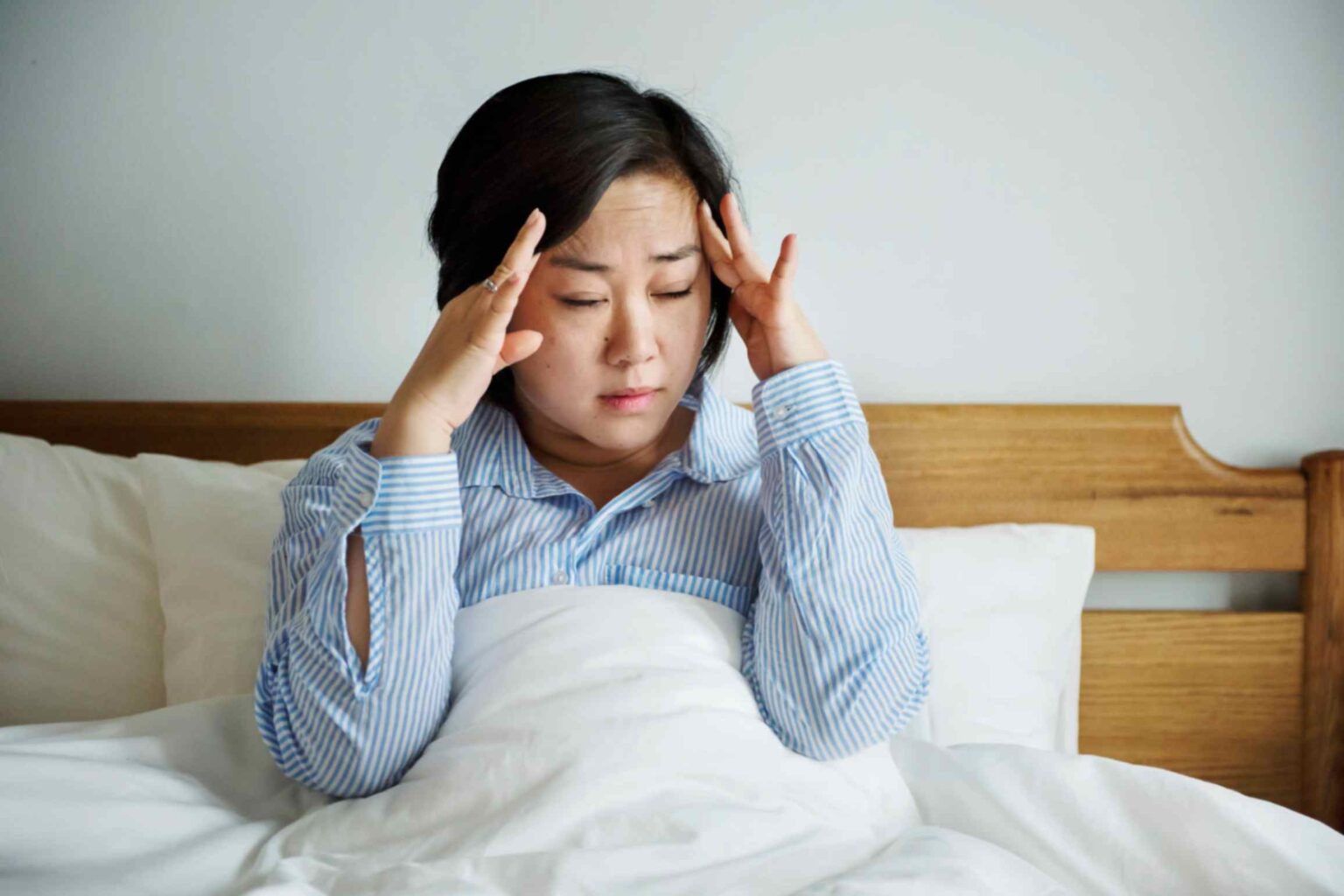
While occasional headaches are common and often not a cause for concern, frequent headaches accompanied with other symptoms may require medical attention from a neuro specialist. In this article, we will discuss the common types and triggers for headaches and when it is time to seek help from a neurosurgeon.
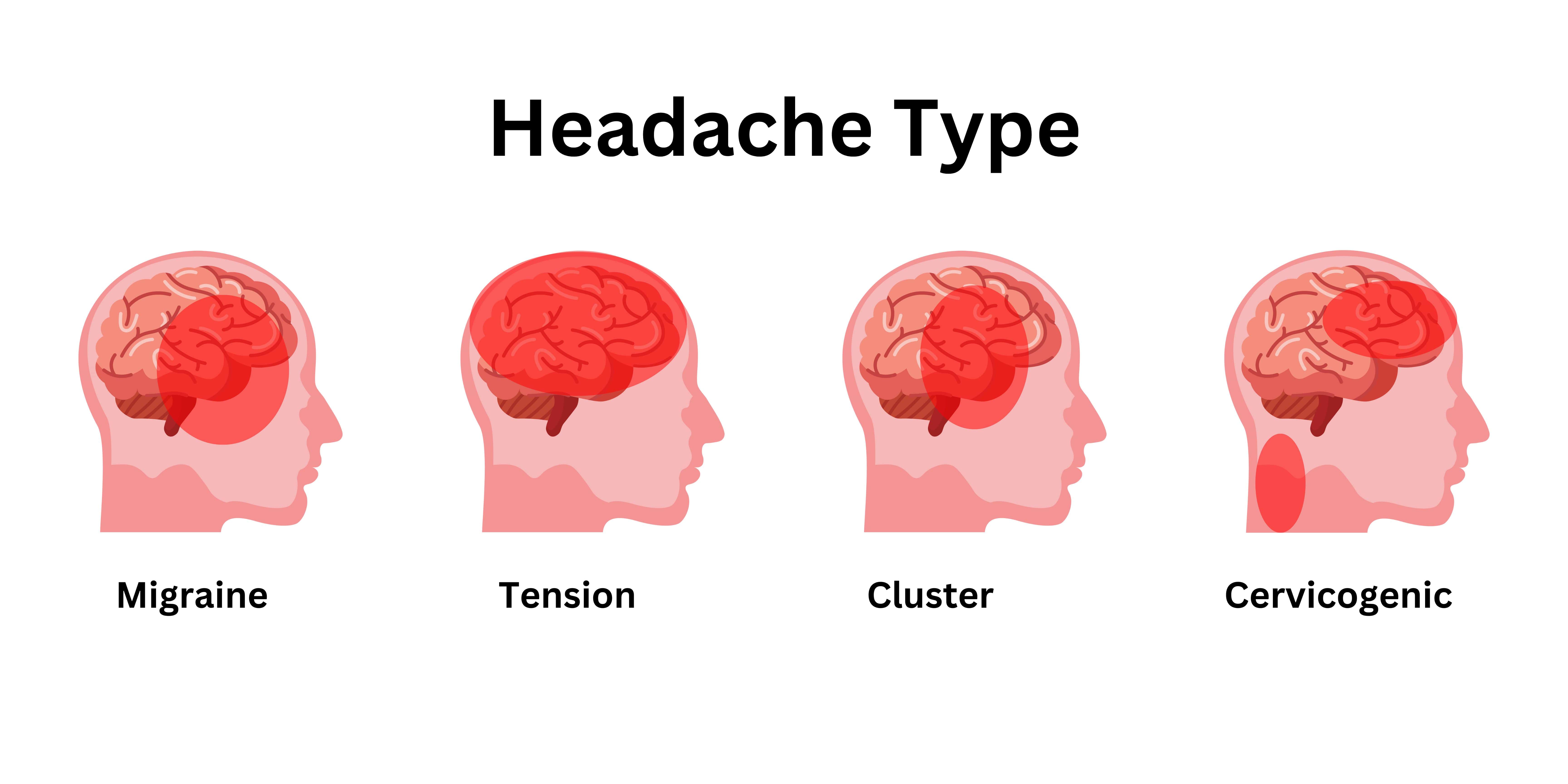
There are four primary types of headaches: migraines, tension-type headaches, cluster headaches and cervicogenic headaches.
Migraines are severe headaches that can start off as a small ache, slowly developing into an intense and throbbing pain, lasting for hours or even days. Such headaches can occur on either one side or both sides of the head. They are often accompanied by nausea, vomiting, and sensitivity to light and sound. Some common triggers neurosurgeon for migraines include:
Tension headaches can cause mild to moderate pain and pressure around the head, akin to a tight band pressing on the forehead or around the head. They can also lead to muscle tension in the neck and shoulders. Some triggers for tension-type headaches include:
Cluster headaches are intense, severe headaches that occur in cyclical patterns, often called “clusters.” They are characterised by excruciating pain around one eye, along with other symptoms such as red and watery eyes, nasal congestion, and restlessness. Some common triggers for cluster headaches include:
Although cervicogenic headaches can be mistaken for tension headaches or migraines, these headaches are characterised by a steady or dull feeling in the neck. They are usually accompanied by a reduction of neck movements. Cervicogenic headaches typically occur on one side of the head and start at the neck. Some common triggers for cervicogenic headaches include:

Each person may have their own unique set of triggers that varies from day to day. Some common chronic headache triggers include:
Stress and anxiety are two of the most common triggers for headaches. When we experience stress or anxiety, our bodies release certain chemicals and hormones that can cause tension in the muscles and blood vessels in our heads, leading to a headache. Learning how to manage stress and anxiety through techniques like meditation, exercise, or therapy may help reduce the frequency and severity of headaches.
Your body’s natural sleep-wake cycle, also known as your circadian rhythm, is crucial in regulating many bodily functions. When this rhythm is disrupted due to changes in sleep patterns like staying up late or waking up earlier than usual, it can trigger headaches. Maintaining a consistent sleep schedule and good sleep hygiene can help prevent headaches from occurring.
Fluctuations in hormone levels during menstrual cycles, pregnancy, or menopause can cause Chronic headaches. Some women may also experience headaches as a side effect of hormonal birth control. If you suspect that your hormones may be contributing to your headaches, it’s essential to speak with your healthcare provider.
Dehydration is another headache trigger. Dehydration causes the brain and other tissues in your body to shrink. As the brain shrinks, it begins to pull away from the skull, thus adding pressure on the nerves and leading to a headache. However, consuming adequate fluids in small sips can help ease the pain.
Loud noises, strong smells, or changes in weather can cause headaches. These triggers varies from person to person and may be difficult to avoid completely. However, identifying your specific triggers and taking steps to minimise exposure to them, like using earplugs or avoiding strong scents, could help reduce the frequency of headaches.
It’s important to know what triggers your headaches so that you can take steps to avoid or manage them. Keeping a headache diary, where you track the date, time, frequency of your headaches, and any potential triggers—stress, lack of sleep, certain foods—can help identify patterns and pinpoint specific triggers. This information can also be helpful when discussing with your healthcare provider.
You should also consider a medical evaluation if your headaches are severe, frequent, or interfere with your daily activities. Your healthcare provider can help determine the underlying cause of your headaches and recommend appropriate treatment options.

Headaches can be treated with medication, and over time, they can improve. However, there are some headaches that may require specialised care from a neurosurgeon. This is especially true if your headaches are accompanied by the following symptoms:
These could be signs of a more severe underlying condition or disease that requires immediate medical attention. If you notice any of these signs and symptoms, do seek a neurological evaluation.
Dismissing headaches that are accompanied by other symptoms can lead to misdiagnosis and ineffective treatments. Communicating any concerns or doubts about your diagnosis with your healthcare provider and considering seeking a second opinion if necessary is important.
At Precision Neurosurgery, we are well-equipped to understand your symptoms, diagnose and come up with treatment plans for your conditions. Make an appointment with us here.
Consult with Dr Teo for a comprehensive evaluation and a personalised treatment plan.
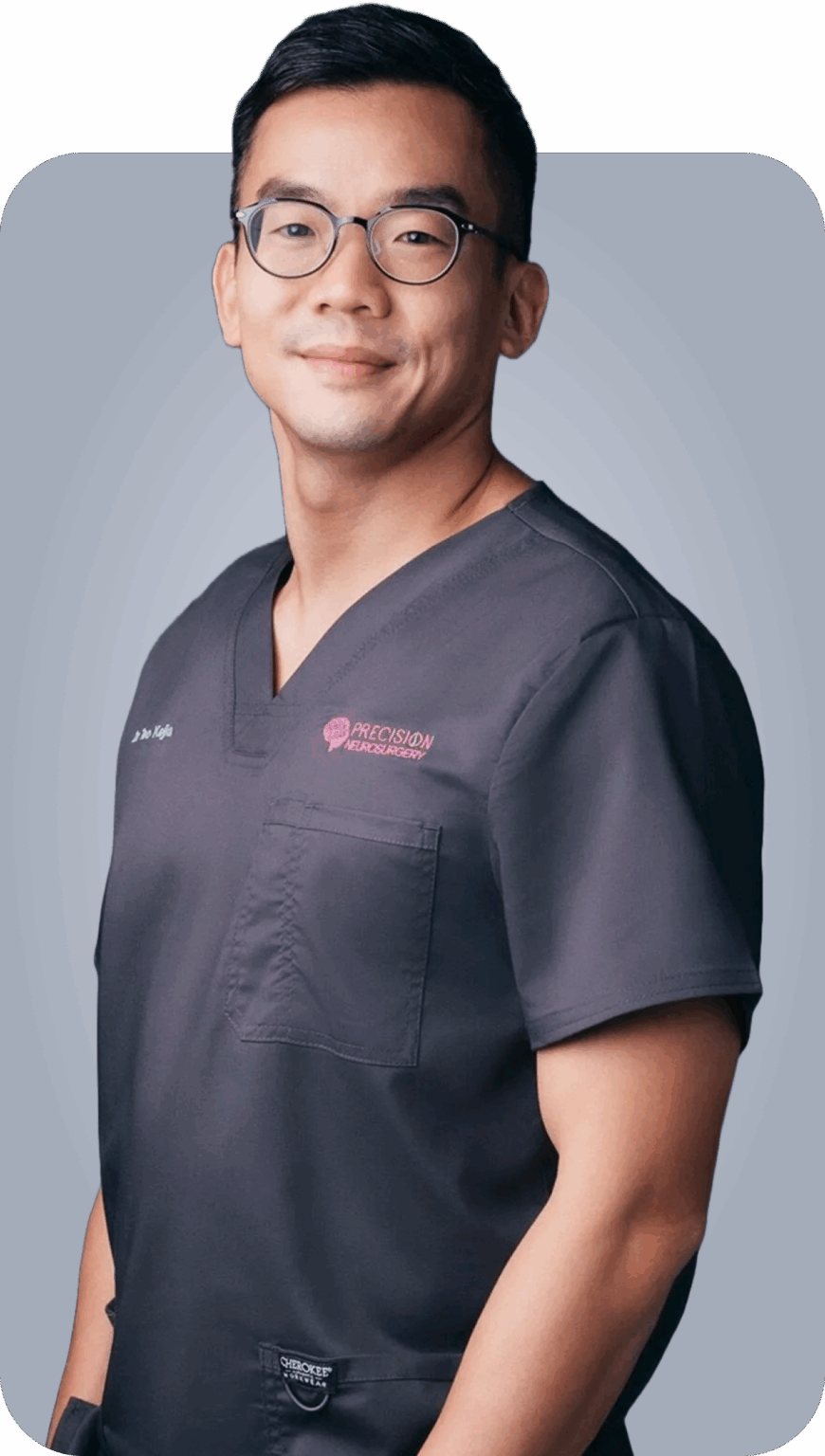
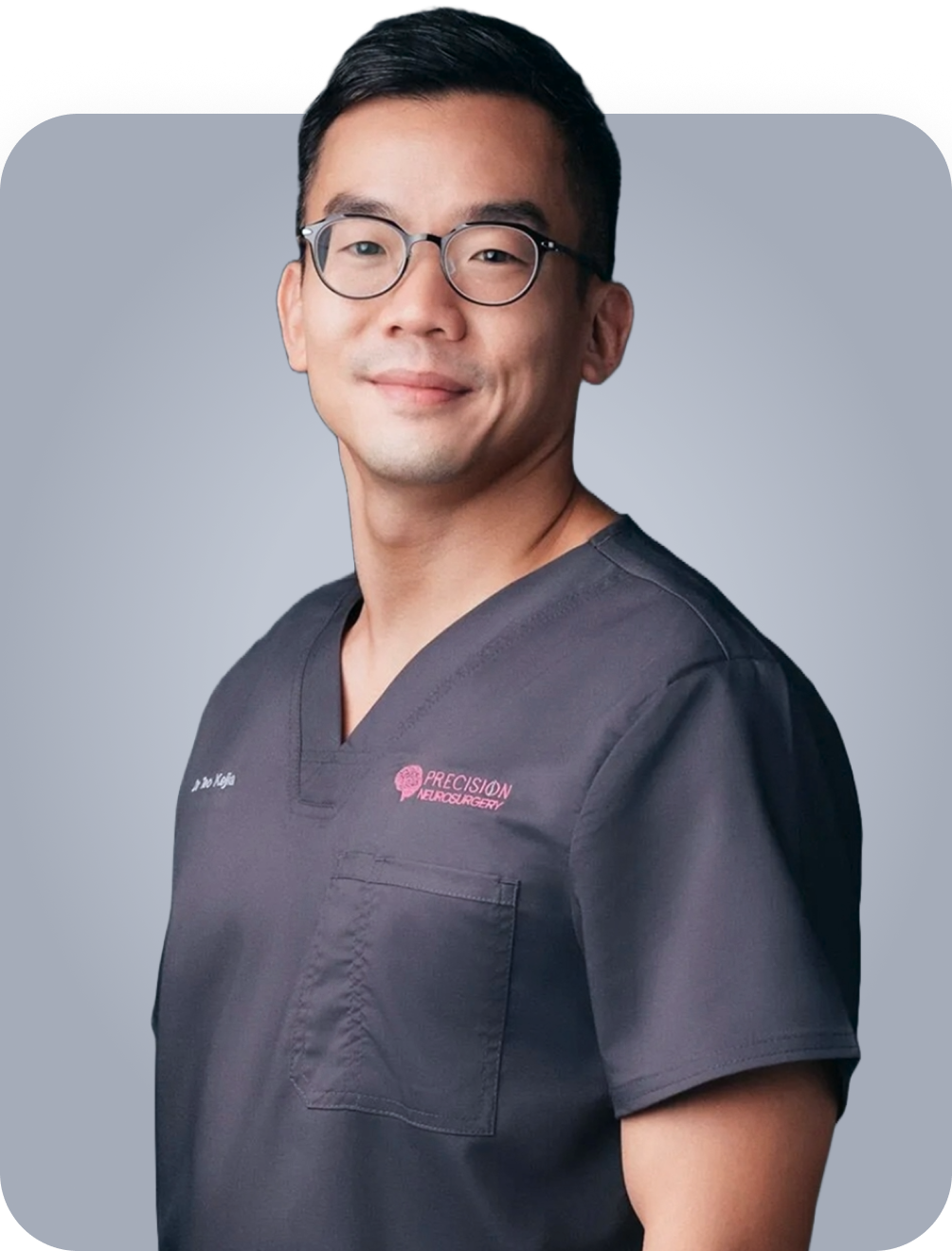
Dr Teo Kejia is a Senior Consultant Neurosurgeon and Medical Director at Precision Neurosurgery, with more than 15 years of clinical experience.
Dr Teo has extensive knowledge and experience in the field of neurosurgery, with a particular focus on complex brain tumour procedures. He is adept in employing advanced surgical techniques, including brain mapping and awake brain surgery, especially for treating gliomas and glioblastomas. His expertise extends to neuro-oncology, encompassing both brain and spinal tumours, as well as neurovascular and skull base surgery.
Additionally, Dr Teo offers treatment for a range of neurological conditions, such as traumatic head injuries, intracerebral aneurysms, and degenerative spine disorders, which include neck and back pain. He is also proficient in managing ischemic and haemorrhagic strokes, hydrocephalus, trigeminal neuralgia, and hemifacial spasm.
Have a question or need more information? Please fill in the form below, and our team will assist you.
Our brains are at the core of everything we do—our thoughts, memories, movements, and even our emo
Degenerative spine conditions refer to disorders that occur when there is a gradual deterioration of

Beyond conventional surgical treatments, awake brain surgery presents the intersection of precision,
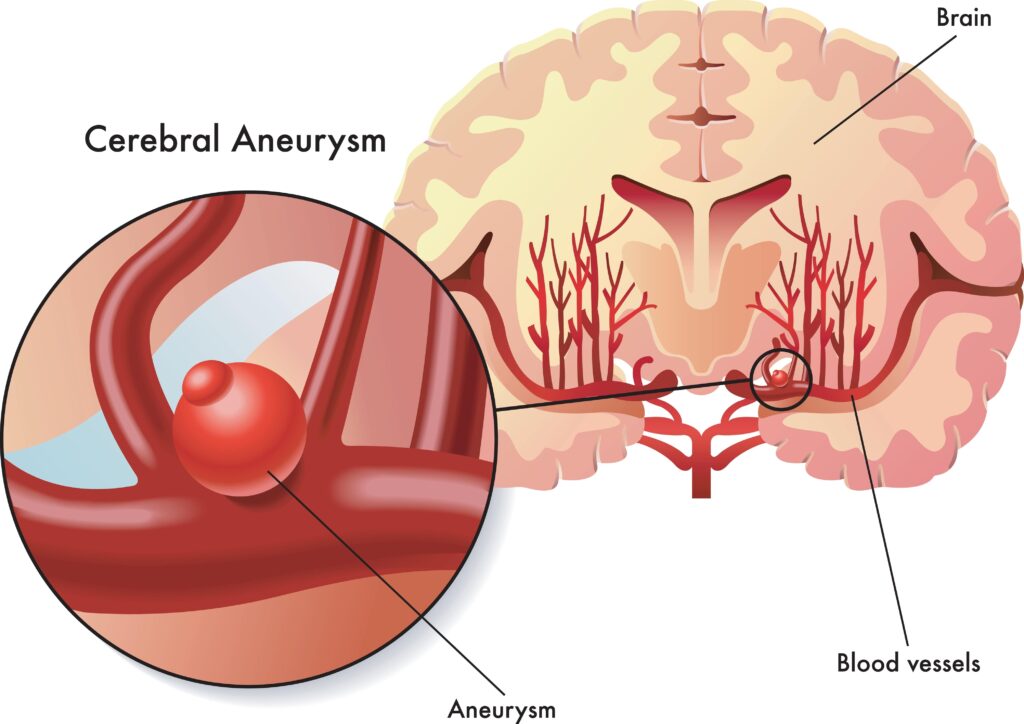
Brain aneurysms can severely impact lifestyle and is best to be treated at the earliest sign. There

Head injuries, commonly referred to as traumatic brain injuries (TBI), refer to a traumatic experien
Living with a brain tumour can be a daunting journey filled with uncertainty and questions. From und
Neurological irregularities can impact your life subtly and can be easily shrugged off as tiredness