

Notice: Function _load_textdomain_just_in_time was called incorrectly. Translation loading for the acf domain was triggered too early. This is usually an indicator for some code in the plugin or theme running too early. Translations should be loaded at the init action or later. Please see Debugging in WordPress for more information. (This message was added in version 6.7.0.) in /home/precisio/public_html/wp-includes/functions.php on line 6121
Minimally Invasive Spine Surgery Singapore | Dr Teo Kejia

Minimally Invasive Spine Surgery in Singapore | By Dr Teo Kejia

Living with chronic back pain or spinal conditions can significantly impact your daily life. If you’ve been exploring surgical options for your spine condition, you may have heard about minimally invasive spine surgery as an alternative to traditional open procedures.

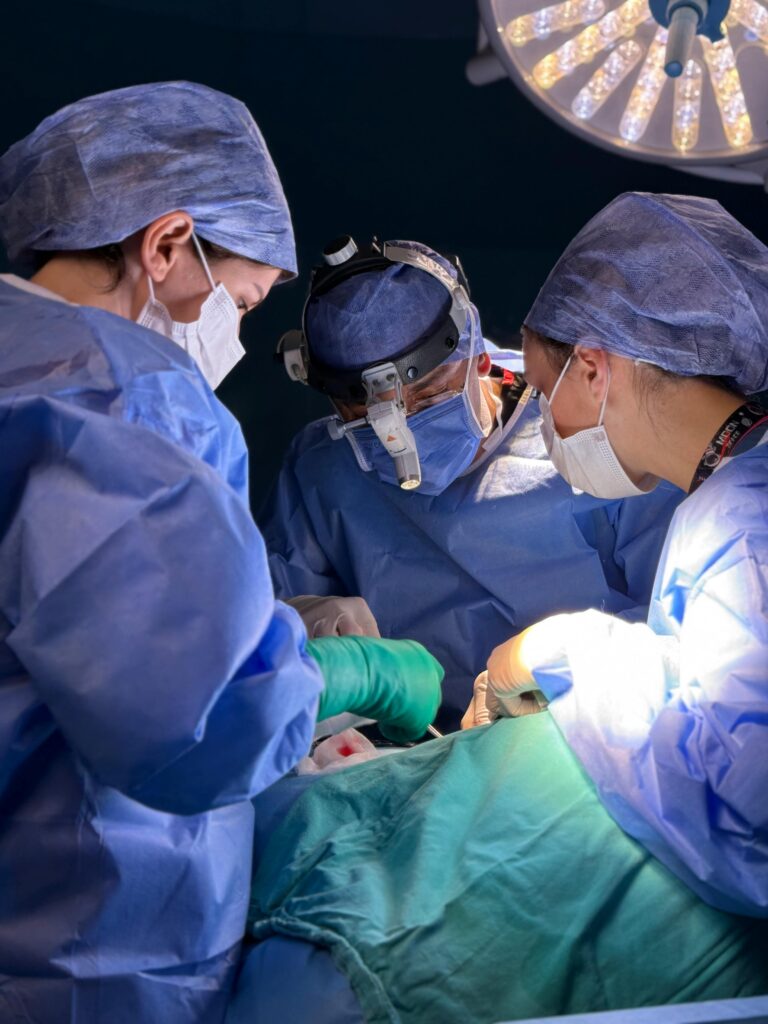
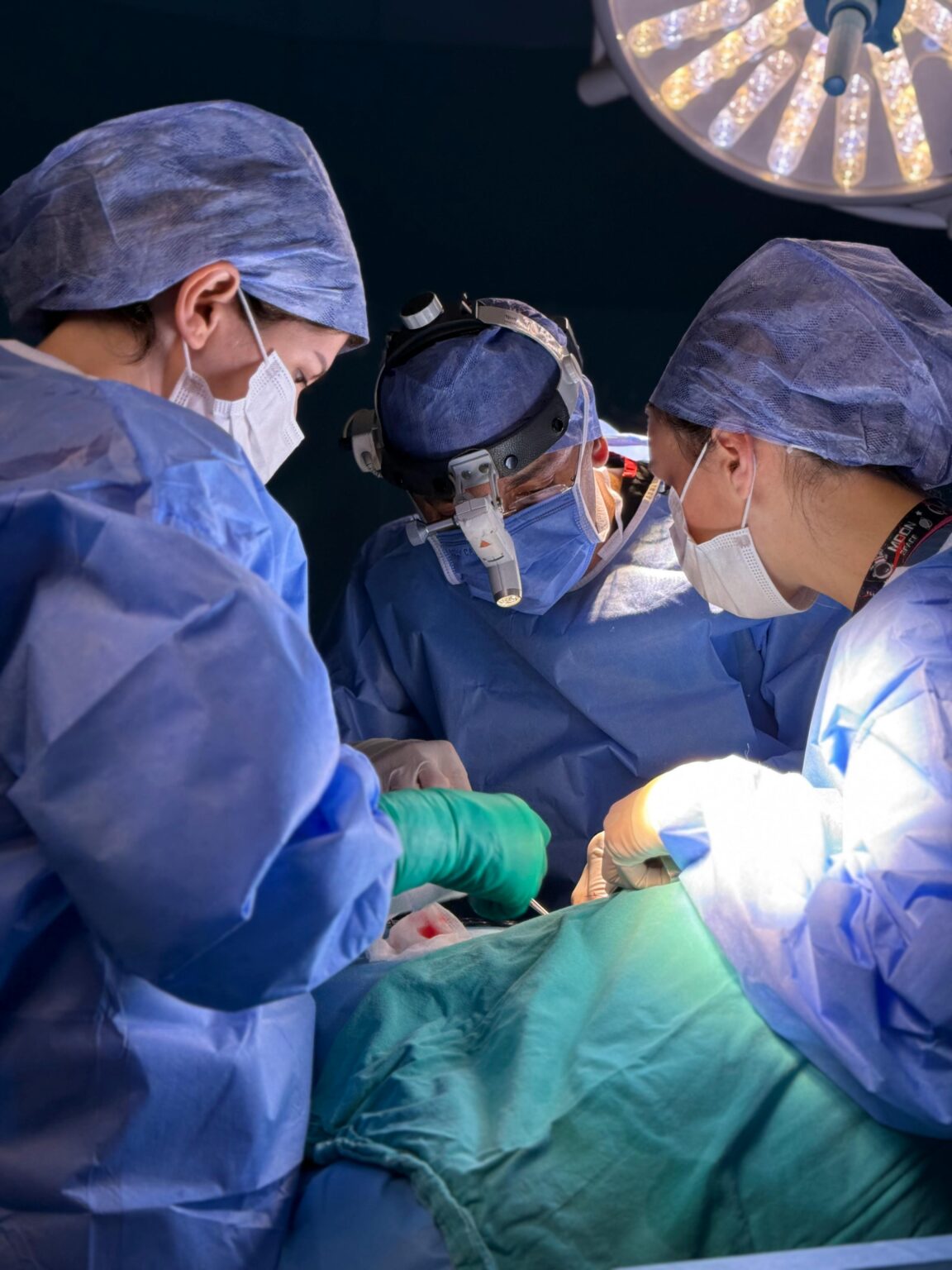
Minimally invasive spine surgery (MISS) represents an evolution in how spinal conditions are treated surgically. These techniques allow surgeons to address various spinal problems through smaller incisions. Traditional surgery typically requires incisions of several inches, whilst MISS uses incisions usually less than an inch. This approach can reduce tissue damage and recovery time. Dr Teo Kejia, a neurosurgeon, provides evaluation and treatment for patients considering this approach to spine surgery.

This guide will help you understand what minimally invasive spine surgery involves. You’ll learn who may benefit from these procedures and what to expect throughout your treatment journey.

doctor img
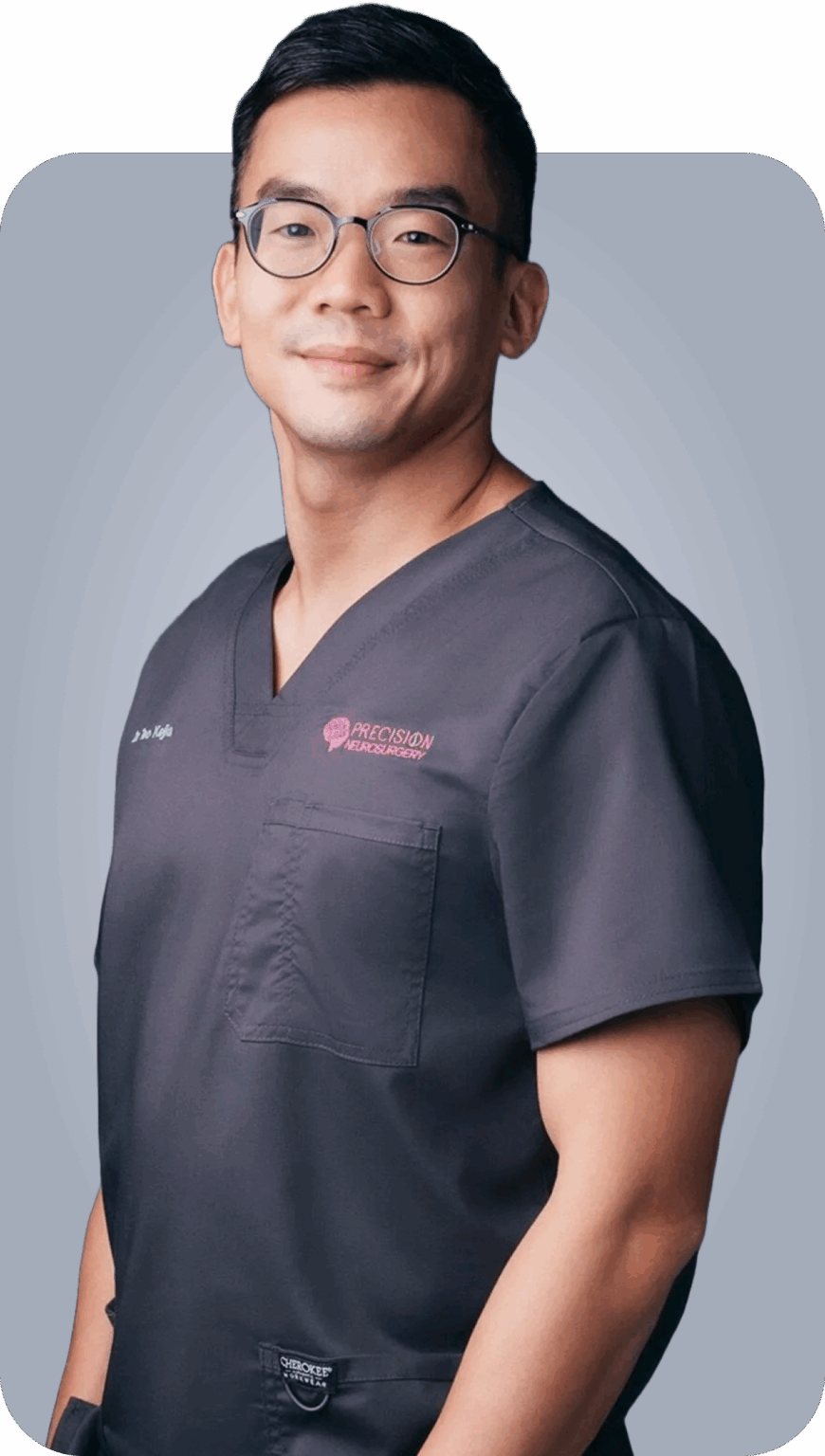
Dr Teo Kejia (张哿佳医生)

MBBS (SG) MRCS (Edin) IFAANS FAMS (Neuro Surg) FRCS Ed (Neuro Surg)

pexels zeynep ozata 2153642453 32828968

What is Minimally Invasive Spine Surgery?

Minimally invasive spine surgery refers to surgical techniques that access the spine through small incisions, typically ranging from 1 to 3 centimetres. Unlike traditional open spine surgery, which requires longer incisions and significant muscle retraction, MISS uses specialised instruments, tubular retractors, and imaging to perform procedures with reduced disruption to surrounding tissues. Tubular retractors are devices that gently hold tissue apart to create a working space.

The fundamental principle behind minimally invasive spine surgery is achieving the same surgical objectives as open procedures whilst minimising tissue damage. Surgeons use specialised tubular retractors that gently dilate muscles rather than cutting through them. This means they gradually stretch muscles apart, allowing access to the spine whilst preserving muscle attachments and function.

These techniques can address a wide range of spinal conditions, including:

  • Herniated or bulging discs (when the cushioning between vertebrae pushes out of place)
  • Spinal stenosis (narrowing of the spinal canal that can compress nerves)
  • Degenerative disc disease (wear and tear of the spinal discs over time)
  • Spondylolisthesis (vertebral slippage, where one vertebra slides forward over another)
  • Spinal fractures (breaks in the bones of the spine)
  • Certain spinal tumours (abnormal growths in or near the spine)
  • Spinal deformities (such as abnormal curvature of the spine)

Minimally invasive spine surgery can provide pain relief and functional improvement. Outcomes depend significantly on proper patient selection, the specific condition being treated, and the surgeon’s experience with these techniques. Your surgeon will assess whether this approach is suitable based on your individual condition and health factors.
Ideal Candidates

Not every patient with a spinal condition requires surgery. Not every surgical candidate is suitable for minimally invasive approaches. Generally, suitable candidates for MISS include individuals who:

  • Have specific, identifiable spinal pathology confirmed by imaging studies (such as X-rays, MRIs, or CT scans)
  • Have not responded adequately to conservative treatments (physiotherapy, medications, injections) for several weeks to a few months
  • Experience symptoms that significantly affect quality of life or daily function
  • Have localised spinal problems rather than extensive multi-level disease
  • Maintain a reasonable overall health status for surgery
  • Have realistic expectations about surgical outcomes
  • Are committed to post-operative rehabilitation

Conditions particularly amenable to minimally invasive techniques include single-level disc herniations (where one spinal disc bulges or ruptures), focal spinal stenosis (narrowing of the spinal canal in a specific area), and certain types of spinal instability requiring fusion.

Contraindications

Certain factors may make traditional open surgery more appropriate than minimally invasive approaches:

  • Severe spinal deformity requiring extensive correction
  • Multi-level pathology requiring broad surgical exposure
  • Significant spinal instability requiring complex reconstruction
  • Previous extensive spine surgery at the same levels
  • Active spinal infections
  • Certain spinal tumours require wide resection (where the surgeon needs to remove a larger area of tissue)
  • Severe osteoporosis (a condition where bones become weak and brittle) affects surgical planning
  • Medical conditions that increase surgical risk significantly

Your surgeon will determine the appropriate treatment approach based on your individual circumstances. They will consider factors such as the complexity of your spinal condition, your overall health, and your personal treatment goals tailored to your specific situation. Outcomes differ amongst patients based on the complexity of their spinal condition, their unique anatomy, and individual health factors.

Wondering which approach may be suitable for you?

Our Senior Consultant Neurosurgeon can evaluate your specific condition and discuss treatment options for your needs.

Treatment Techniques & Approaches

Minimally invasive spine surgery encompasses several distinct techniques, each suited to different spinal conditions and surgical goals.

Microdiscectomy

Microdiscectomy is a commonly performed minimally invasive spine procedure. It addresses herniated discs (when the cushioning between vertebrae pushes out and presses on nerves) that compress spinal nerves, causing leg pain (sciatica) or arm pain. Through a small incision and a tubular retractor, the surgeon uses a high-powered operating microscope to provide the magnification and illumination necessary to safely remove the disc fragment while protecting the delicate nerve roots.

The procedure typically takes under two hours. It is often performed as day surgery or with an overnight stay. Microdiscectomy may provide relief from radiating leg or arm pain, though outcomes differ among patients based on individual health factors.

Minimally Invasive Lumbar Decompression

For patients with spinal stenosis (narrowing of the spinal canal) causing nerve compression, minimally invasive decompression procedures remove bone spurs and thickened ligaments that narrow the spinal canal. Techniques include:


  • Laminotomy: Laminotomy is a minimally invasive procedure where a neurosurgeon removes a small “window” of bone from the lamina to relieve pressure on a specific pinched spinal nerve. Unlike a laminectomy, which removes the entire bony roof of the spinal canal, this technique preserves most of the natural bone structure to maintain greater spinal stability. It is an ideal option for treating conditions like herniated discs or localised bone spurs while allowing for a faster recovery through a smaller incision.
  • Foraminotomy: Foraminotomy is a spinal decompression surgery that enlarges the neural foramen—the bony opening on either side of the vertebrae (the small bones that make up your spine) through which spinal nerves exit the spinal column. The term derives from “foramen” (opening) and “otomy” (to cut or enlarge). During a foraminotomy, the neurosurgeon carefully removes small portions of bone, disc material, ligament tissue, or other structures that encroach upon the neural foramen, creating more space for the nerve root to function without compression.
  • Laminectomy: Laminectomy, sometimes referred to as decompression surgery, is a surgical procedure where the surgeon removes part or all of the lamina—the bony arch forming the back of the spinal canal. This creates additional space for the spinal cord and nerve roots. The procedure aims to relieve pressure that causes pain, weakness, or numbness. Laminectomy directly addresses this issue by widening the spinal canal. The surgeon removes any bone spurs (extra bone growth), thickened ligaments, or disc material contributing to the compression. These procedures aim to create more space for the nerves, helping to relieve symptoms of claudication (leg pain that occurs with walking) and radiculopathy (pain caused by nerve irritation or compression).


These procedures differ based on the anatomical structure being addressed: Laminotomy creates a small window in the bone, Laminectomy removes the entire bony roof to open the central canal, and Foraminotomy focuses specifically on the nerve exit points.

Minimally Invasive Spinal Fusion

When spinal instability or significant degenerative changes require fusion (joining two or more vertebrae together to prevent movement between them), minimally invasive techniques can accomplish vertebral fusion through smaller incisions. Common approaches include:


  • MIS-TLIF (Minimally Invasive Transforaminal Lumbar Interbody Fusion): The surgeon accesses the disc space from a posterior-lateral approach (from the back and side), allowing disc removal, bone graft placement, and stabilisation with screws and rods.
  • LLIF/XLIF (Lateral Lumbar Interbody Fusion): The surgeon approaches the spine through the side, particularly useful for certain levels and conditions.
  • ALIF (Anterior Lumbar Interbody Fusion): The surgeon approaches from the front, sometimes combined with minimally invasive posterior fixation.
Technology and Equipment Used

Modern minimally invasive spine surgery relies on several technological aids:


  • Tubular retractors: Instruments that gradually widen the surgical corridor and gently spread rather than cut muscle tissue.
  • Intraoperative imaging: Real-time X-ray imaging during surgery and sometimes navigation systems for instrument placement.
  • Microscopes and endoscopes: Instruments that provide magnification and illumination for visualising small anatomical structures.
  • Specialised instrumentation: Long, angled instruments designed for working through narrow corridors.

Considering minimally invasive spine surgery?

Consult with a neurosurgeon to evaluate your specific condition, review your imaging studies, and discuss whether a minimally invasive approach is suitable for your needs. Each patient receives an individualised treatment recommendation.

The Treatment Process

Pre-Treatment Preparation

Thorough preparation helps support surgical outcomes. Before your minimally invasive spine surgery, you can expect:

Medical Evaluation

  • Complete medical history review and physical examination
  • Blood tests to check your overall health
  • Cardiac evaluation (a heart health check) if indicated by your medical history
  • Review of current medications, with instructions about which to continue or stop


Imaging Studies (tests that create pictures of your spine)

  • MRI scans to create detailed images of soft tissues, discs, and compressed nerves
  • CT scans are used when the doctor needs to see bone structures in detail
  • X-rays, including flexion-extension views (images taken whilst you bend) to assess spinal stability
  • Sometimes, diagnostic injections (pain-relief injections used to pinpoint the exact source of your pain)


Pre-operative Instructions

  • Fasting requirements (typically nothing to eat or drink after midnight)
  • Medication adjustments, particularly blood thinners (medications that prevent clotting)
  • Smoking cessation, as smoking impairs healing and fusion outcomes
  • Arrangements for post-operative transport and home support
During the Procedure

On the day of surgery, you will be admitted to the hospital or surgical centre. After final preparations and safety checks, you will receive anaesthesia (medication that puts you to sleep). Spine procedures typically use general anaesthesia.

The surgical process follows these general steps:


  • Positioning: The surgical team will carefully position you on the operating table. This is usually face-down (prone) for posterior approaches or on your side for lateral approaches.
  • Incision and access: The surgeon makes a small incision. They then use sequential dilatators (gradually larger tubes that gently separate tissue) to create a working channel to the spine. This approach minimises muscle damage.
  • Procedure execution: The surgeon uses magnification and specialised instruments to perform the necessary work. This might include removing pressure from nerves, taking out damaged disc material, or joining vertebrae together.
  • Implant placement (if applicable): The surgeon positions screws, rods, cages, or other implants using imaging guidance (real-time X-ray images that help them place devices precisely).
  • Closure: The surgeon closes the incision in layers, often with dissolvable sutures.


Procedure duration varies based on complexity. A microdiscectomy (removal of a small portion of a herniated disc) may take a relatively short time. A fusion procedure (joining two or more vertebrae together) may require several hours.

Immediate Post-Treatment

Following surgery, you will be monitored in the recovery area as anaesthesia wears off. The medical team will:


  • Monitor vital signs (such as heart rate, blood pressure, and breathing) and neurological function (your ability to move and feel sensation)
  • Manage pain with appropriate medications
  • Encourage early mobilisation (getting up and moving) when safe
  • Provide wound care instructions
  • Watch for any immediate complications


Minimally invasive procedures may allow same-day discharge or a single overnight stay. Fusion procedures typically require a brief hospitalisation. Before discharge, you will receive detailed instructions about wound care, activity restrictions, medications, and warning signs requiring immediate attention.

Recovery & Aftercare


First 24-48 hours The initial recovery period focuses on comfort and safety:


Pain Management

  • Use prescription pain medications as needed.
  • Apply ice to reduce swelling.
  • Position yourself for comfort.

While pre-operative radiating nerve pain often improves significantly immediately after surgery, surgical site discomfort is normal and typically peaks within 72 hours before gradually decreasing.


Activity Guidelines

  • Get up and walk with assistance.
  • Avoid prolonged sitting initially.
  • Do not bend, lift, or twist.
  • Use proper body mechanics when moving.


Warning Signs to Report

  • Fever above a certain threshold
  • Increasing pain uncontrolled by medication
  • New or worsening numbness or weakness, such as tingling in your legs or difficulty moving your feet
  • Difficulty urinating
  • Wound drainage, redness, or separation
 

First Week

During the first week, you may see gradual improvement:

Daily Care

  • Keep the incision clean and dry.
  • Follow wound care instructions precisely.
  • Take medications as prescribed.
  • Perform gentle walking several times daily.


Follow-up

  • A post-operative appointment is typically scheduled within one to two weeks.
  • Your healthcare provider can check your wound and remove sutures if needed.
  • Your healthcare provider can assess your early recovery progress.


Activity Progression

  • Gradually increase walking distance.
  • Begin gentle movements as instructed.
  • Continue avoiding strenuous activities, such as heavy lifting, vigorous exercise, or bending at the waist.
  • Patients may be able to manage self-care independently.
Long-Term Recovery Recovery timelines vary among patients based on the procedure performed, overall health, and individual healing progress. Your doctor can set recovery targets based on your specific situation.

Decompression Procedures (Microdiscectomy, Laminectomy)

  • Return to desk work: Variable, typically several weeks
  • Light activities: Variable, typically several weeks
  • Full activities: Variable, typically several weeks to months


Fusion Procedures

  • Return to desk work: Variable, typically several weeks
  • Light activities: Variable, typically several weeks to months
  • Bone healing (fusion maturation): Variable, typically several months
  • Full activities: Variable, typically several months, depending on progress


Rehabilitation

  • Physiotherapy typically begins several weeks post-surgery.
  • Sessions focus on core strengthening and proper body mechanics.
  • You can follow a gradual progression of exercises and activities.
  • You can maintain an ongoing home exercise programme.

Post-operative support

Dr Teo Kejia provides follow-up care throughout your recovery journey. Regular assessments help monitor your healing progress and address any concerns.

Benefits of Minimally Invasive Spine Surgery

When appropriately indicated and properly performed, minimally invasive spine surgery offers several potential advantages compared to traditional open procedures:

  • Smaller incisions

    Incisions are typically smaller compared to open surgery. This results in less visible scarring.

  • Reduced muscle damage

    Muscle-sparing techniques preserve tissue that would be cut in open approaches.

  • Less blood loss

    Smaller surgical exposure generally means less bleeding during the procedure.

  • Shorter hospital stays

    Procedures may allow same-day discharge or overnight stays.

  • Faster initial recovery

    Reduced tissue trauma (less damage to muscles and surrounding tissue) may allow quicker return to basic activities.

  • Lower infection rates

    Smaller incisions may reduce surgical site infection risk.

  • Reduced post-operative pain

    Less tissue disruption may translate to less post-surgical discomfort.

  • Quicker return to work

    Patients may be able to resume desk work within several weeks for decompression procedures (procedures that relieve pressure on nerves or the spinal cord).

Outcomes differ among patients based on individual health factors. The primary goal of any spine surgery—whether minimally invasive or open—is addressing the underlying condition. The approach that can address this goal for your specific situation is the appropriate choice.

Common Side Effects

As with any surgical procedure, minimally invasive spine surgery carries certain risks. Understanding these helps you make informed decisions about your care. Patients may experience some temporary effects following surgery:

  • Post-operative pain: Surgical site discomfort is normal. It is typically well-controlled with medication.
  • Muscle soreness: Despite muscle-sparing techniques (surgical approaches designed to work around muscles rather than cutting through them), some muscle irritation occurs.
  • Temporary numbness: Nerve irritation during surgery may cause temporary sensory changes.
  • Fatigue: General tiredness is common during early recovery.
  • Constipation: Anaesthesia (medication used to prevent pain during surgery) and pain medications can affect bowel function temporarily.

These effects typically resolve within days to weeks as healing progresses.

Rare Complications

Less common but more serious complications can include:

  • Infection: Surgical site infections can occur in spine surgeries.
  • Nerve injury: Risk of new or worsened nerve symptoms exists.
  • Dural tear: Spinal fluid leak from the membrane (protective covering) surrounding the nerves.
  • Hardware-related issues: Screw loosening or malpositioning (for fusion procedures, where vertebrae are joined together).
  • Persistent symptoms: Symptoms may continue despite technically successful surgery.
  • Adjacent segment disease: Degeneration (wear and tear) of levels above or below a fusion.
    Blood clots: Deep vein thrombosis (clots in leg veins) or pulmonary embolism (clots in lung arteries).

Risk Minimisation

Healthcare providers aim to minimise complication risks through:

  • Careful patient selection and pre-operative planning
  • Experienced surgical technique
  • Appropriate use of imaging guidance (real-time X-rays or scans that help guide surgical instruments)
  • Proper post-operative care and rehabilitation
  • Patient compliance with activity restrictions

Choosing an experienced surgeon who performs these procedures regularly can assist in achieving good outcomes and minimising risks.

Cost Considerations

The cost of minimally invasive spine surgery in Singapore varies based on several factors:

Factors Affecting Cost

  • Specific procedure performed (decompression, where the surgeon relieves pressure on spinal nerves, vs. fusion, where two or more vertebrae are joined together)
  • Number of spinal levels treated
  • Type and number of implants used
  • Hospital choice and facility fees
  • Length of hospital stay
  • Anaesthesia requirements (medications that prevent pain during surgery)
  • Post-operative care needs

What’s Typically Included

  • Surgeon’s professional fees
  • Hospital charges (room, operating theatre, medications)
  • Anaesthesia fees
  • Implants and surgical supplies
  • Initial post-operative follow-up visits

Consultation for Accurate Estimates

Because everyone’s situation differs based on individual health factors, a consultation is necessary to provide accurate cost information for your specific procedure. Your surgeon can provide cost estimates based on your individual medical needs, the complexity of your condition, and your treatment goals. During your appointment, you can receive a detailed breakdown of expected costs. You can also discuss any financial considerations you may have.

ask us anything

Frequently Asked Questions

How long does minimally invasive spine surgery take?

Procedure duration varies significantly based on the type of surgery. A microdiscectomy typically takes a certain duration. More complex procedures like minimally invasive fusion (where two or more vertebrae are joined together to stabilise the spine) may require several hours. Your surgeon will provide a more specific estimate based on your particular procedure. Factors affecting duration include the number of levels involved, the complexity of the pathology, and whether additional procedures are needed simultaneously.

Will I need to stay in the hospital overnight?

This depends on the procedure performed and your individual circumstances. Decompression procedures (procedures that relieve pressure on nerves, such as microdiscectomy or laminectomy) may be performed as day surgery, allowing same-day discharge. Fusion procedures typically require hospitalisation for monitoring and pain management. Your surgeon will discuss the expected hospital stay during your consultation based on your planned procedure and overall health status.

How soon can I return to work after minimally invasive spine surgery?

Return to work depends on both the procedure performed and the nature of your work. For desk-based jobs with minimal physical demands, patients may return within several weeks after decompression procedures and several weeks after fusion. Jobs requiring physical labour may require a longer period. Your surgeon will provide specific guidance tailored to your procedure and job requirements. They will take into account your individual recovery and physical demands. They may provide graduated return-to-work recommendations.

Is minimally invasive spine surgery suitable for all spine conditions?

Minimally invasive techniques have expanded significantly, but they are not suitable for all spinal conditions. Some situations may be addressed through traditional open approaches. These include severe deformities (abnormal curvature or alignment of the spine), extensive multi-level disease (problems affecting multiple vertebrae), or complex tumours. The goal is always to choose the approach that addresses your specific condition. Your surgeon will recommend an appropriate technique based on your imaging findings and clinical situation.

What are the outcomes of minimally invasive spine surgery?

Outcomes differ amongst patients based on the specific condition treated and individual health factors. For disc herniations (when the soft inner material of a disc pushes out and presses on nerves) treated with microdiscectomy, procedures may provide improvement in leg pain for patients. Fusion procedures for appropriate indications may show bone healing. Outcomes should be discussed in terms of your specific goals—pain reduction, improved function, or return to activities. Your surgeon can discuss expected outcomes for your particular situation based on your individual risk factors and health status.

Will I need physiotherapy after surgery?

Patients may benefit from structured physiotherapy following minimally invasive spine surgery. For decompression procedures, physiotherapy typically begins several weeks after surgery. For fusion procedures, rehabilitation may start after initial healing in several weeks. Physiotherapy focuses on several key areas:

  • Core strengthening
  • Flexibility
  • Proper body mechanics (how you move and position your body during daily activities)
  • Gradual return to activities

A home exercise programme can also support long-term spine health. Your surgeon will provide personalised recommendations and guidance on rehabilitation timing.

Can the same problem recur after minimally invasive spine surgery?

Recurrence is possible, depending on the condition treated. For disc herniations, there is a possibility of reherniation (when disc material pushes out again) at the same level. Degenerative conditions (wear-and-tear changes in the spine) may progress over time, potentially affecting adjacent levels. Fusion procedures eliminate motion at the treated level but may increase stress on neighbouring segments. You can help reduce recurrence risk by maintaining good spinal health. This includes proper body mechanics, regular exercise, weight management, and avoiding smoking.

How does minimally invasive surgery compare to traditional open surgery in terms of outcomes?

For appropriately selected patients, MISS achieves comparable long-term outcomes to open surgery in terms of nerve decompression and fusion success rates, while offering the immediate advantages of reduced blood loss and shorter hospital stays.

Procedures may show similar rates of decompression (relief of nerve pressure) and fusion (bone healing to join vertebrae). MISS patients typically experience less blood loss, shorter hospital stays, and faster initial recovery. Open surgery remains important for complex cases where broader exposure is needed. Your surgeon will recommend the approach suited to your specific condition.

For appropriately selected patients, MISS achieves comparable long-term outcomes to open surgery in terms of nerve decompression and fusion success rates, while offering the immediate advantages of reduced blood loss and shorter hospital stays.

Conclusion

Minimally invasive spine surgery represents an important option for patients with spinal conditions that have not responded to conservative treatment. Conservative treatment includes physical therapy, pain management, or lifestyle modifications. These procedures use smaller incisions and muscle-sparing techniques. They can address various spinal problems whilst potentially reducing recovery time and post-operative discomfort.

The key to outcomes lies in proper patient selection, accurate diagnosis, and experienced surgical technique. Not every patient is a candidate for minimally invasive approaches. The primary goal remains treatment of the underlying condition rather than the approach itself.

If you’re experiencing persistent back or neck pain, radiating pain to your arms or legs, or other symptoms affecting your daily life, a thorough evaluation can help determine whether surgery is appropriate. It can also help identify which approach may be suitable for your needs. Radiating pain symptoms may include numbness, tingling, or weakness.

Take the Next Step

The decision to undergo a specialised medical procedure involves a thorough clinical evaluation to determine the most appropriate treatment path. If you are considering your options, a consultation with our Senior Consultant Neurosurgeon can provide a structured assessment of your condition.

doctor desktop w alpha doctor mobile w alpha

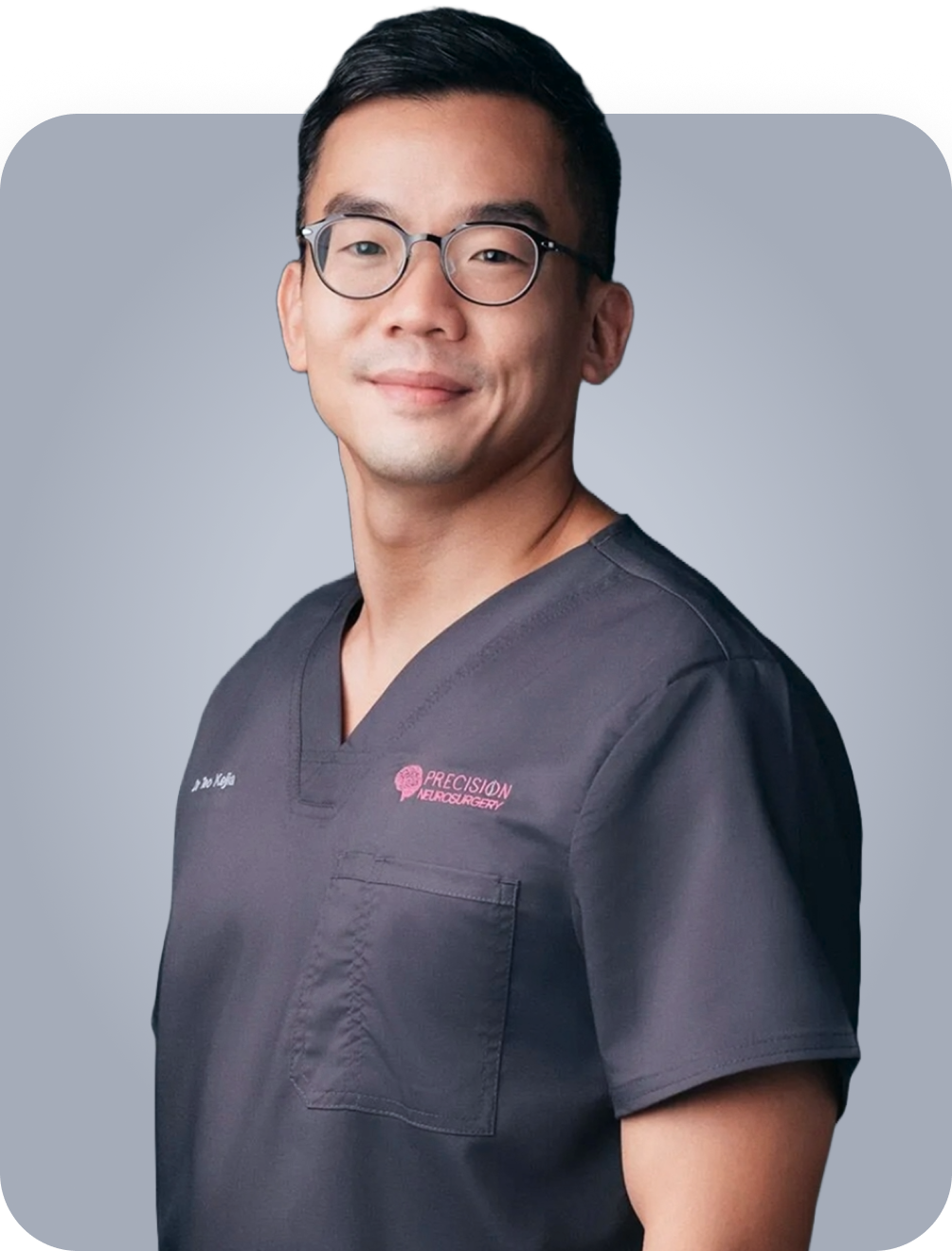
Dr Teo Kejia (张哿佳医生)

MBBS (SG)MRCS (Edin)FAMSFRCS EdIFAANS

Dr Teo Kejia is a Senior Consultant Neurosurgeon and Medical Director at Precision Neurosurgery, with more than 15 years of clinical experience.

Dr Teo has extensive knowledge and experience in the field of neurosurgery, with a particular focus on complex brain tumour procedures. He is adept in employing advanced surgical techniques, including brain mapping and awake brain surgery, especially for treating gliomas and glioblastomas. His expertise extends to neuro-oncology, encompassing both brain and spinal tumours, as well as neurovascular and skull base surgery.

Additionally, Dr Teo offers treatment for a range of neurological conditions, such as traumatic head injuries, intracerebral aneurysms, and degenerative spine disorders, which include neck and back pain. He is also proficient in managing ischemic and haemorrhagic strokes, hydrocephalus, trigeminal neuralgia, and hemifacial spasm.

Make an Enquiry

Have a question or need more information? Please fill in the form below, and our team will assist you.

    Full Name*

    Email Address*

    Phone Number*

    Your Message*

    For Faster Response, Call us!

    +65‎ 6956‎ 6588


    Billing & insurance

    Corporate & Personal Insurance Plans

    For Singaporeans, Singapore Permanent Residents and Foreigners.
    Please speak to our friendly clinic staff about using your insurance plans.