
Notice: Function _load_textdomain_just_in_time was called incorrectly. Translation loading for the acf domain was triggered too early. This is usually an indicator for some code in the plugin or theme running too early. Translations should be loaded at the init action or later. Please see Debugging in WordPress for more information. (This message was added in version 6.7.0.) in /home/precisio/public_html/wp-includes/functions.php on line 6121
Neurovascular Surgery Singapore | Dr Teo Kejia | Brain & Spine

Neurovascular Surgery in Singapore

Living with a condition affecting the blood vessels of the brain or spinal cord can be serious and require careful assessment. These include brain aneurysms (bulges in blood vessel walls), arteriovenous malformations (AVMs, abnormal tangles of blood vessels), or complications following a stroke. Understanding available treatment options is an important step in managing these conditions.

In Singapore, patients can access neurovascular surgical procedures performed by neurosurgeons. These procedures are designed to address abnormalities in blood vessels, support blood flow, and reduce the risk of complications. This guide provides an overview of neurovascular surgery, including potential indications and what patients can expect during the treatment process.

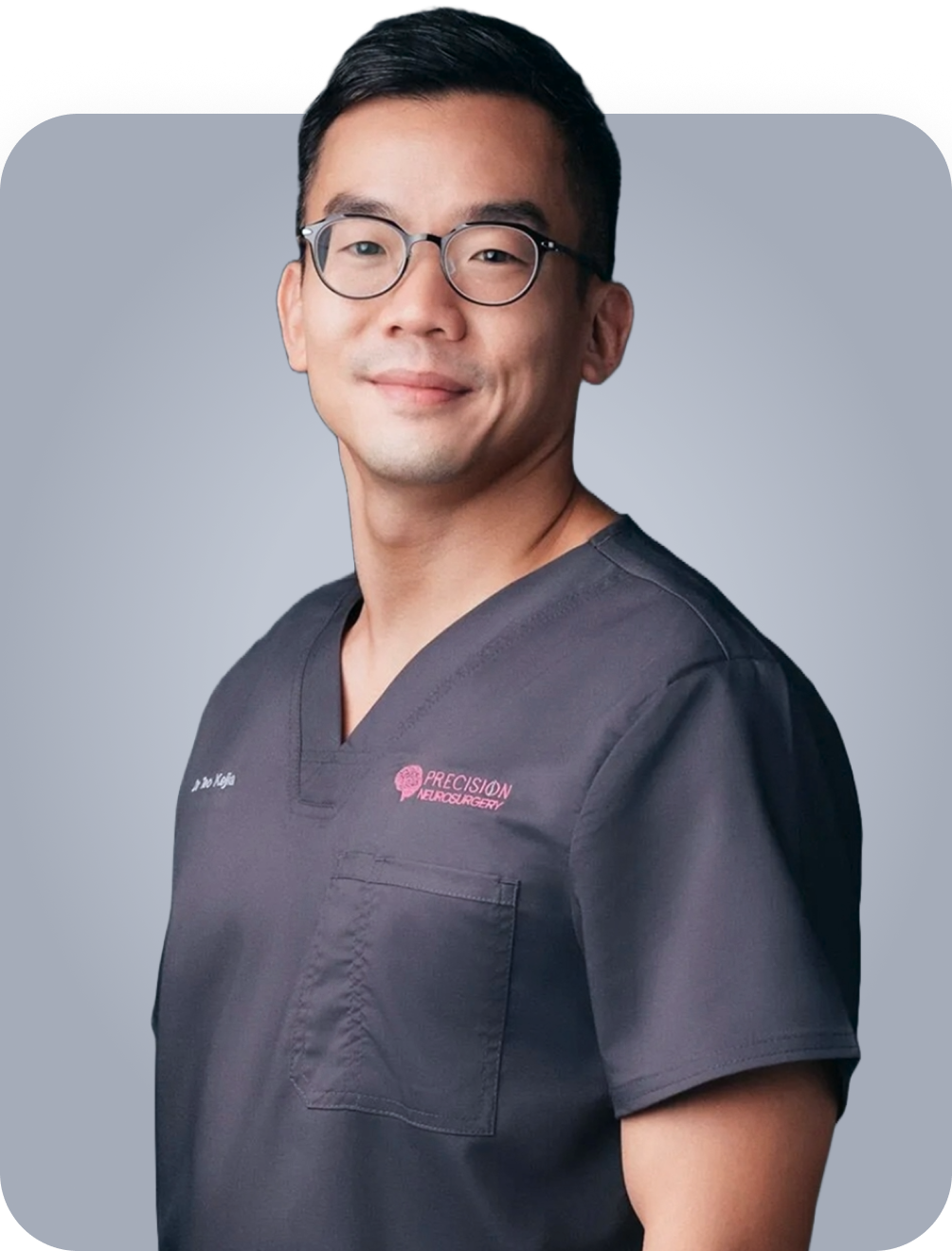
doctor img
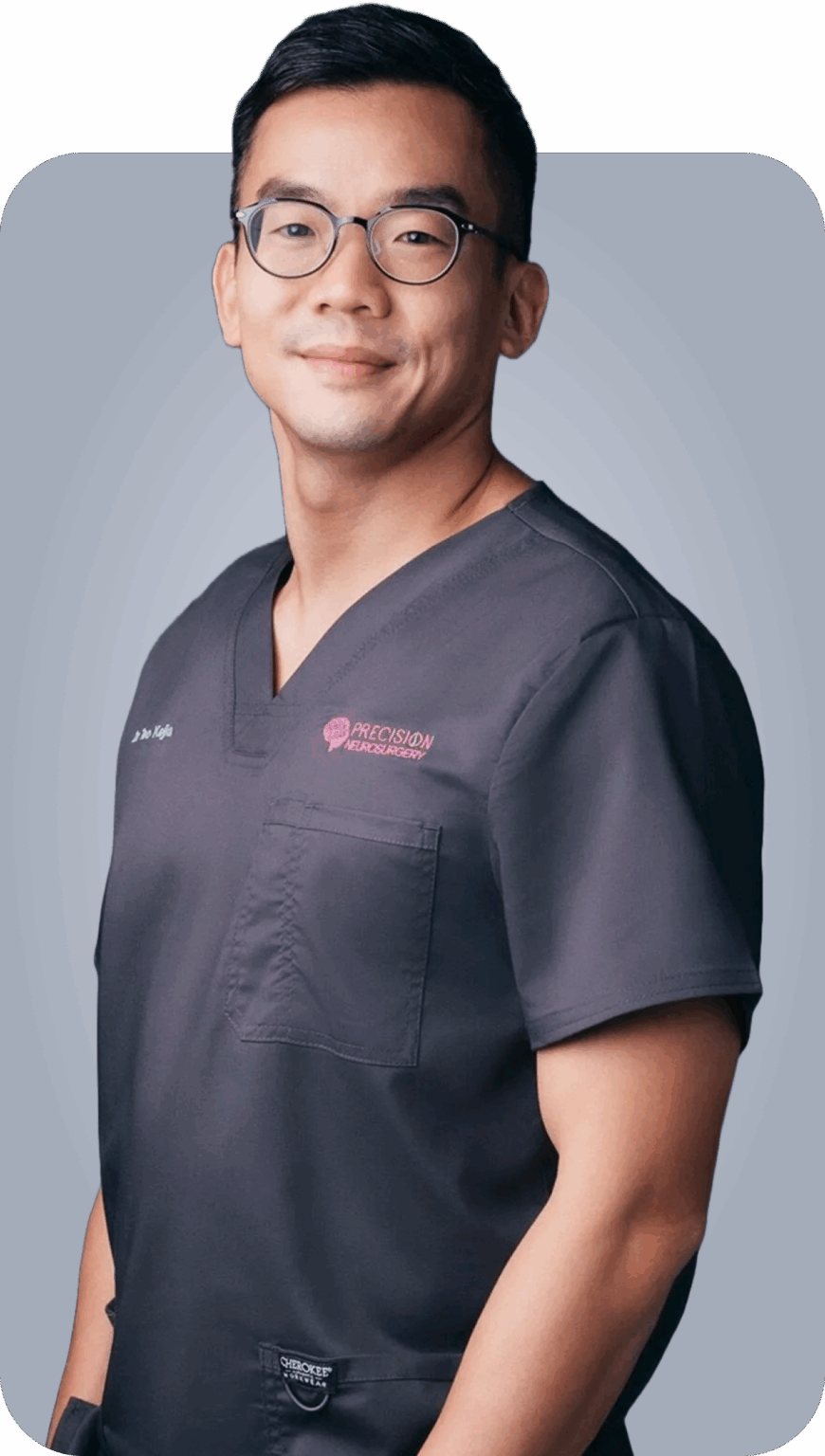
Dr Teo Kejia (张哿佳医生)

MBBS (SG) MRCS (Edin) IFAANS FAMS (Neuro Surg) FRCS Ed (Neuro Surg)

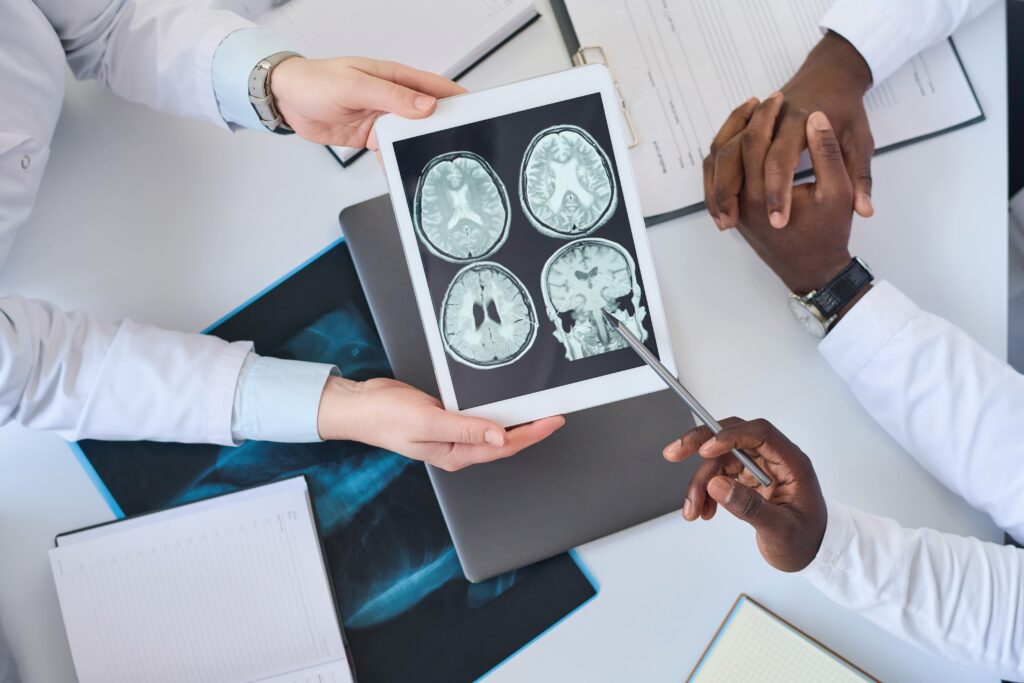
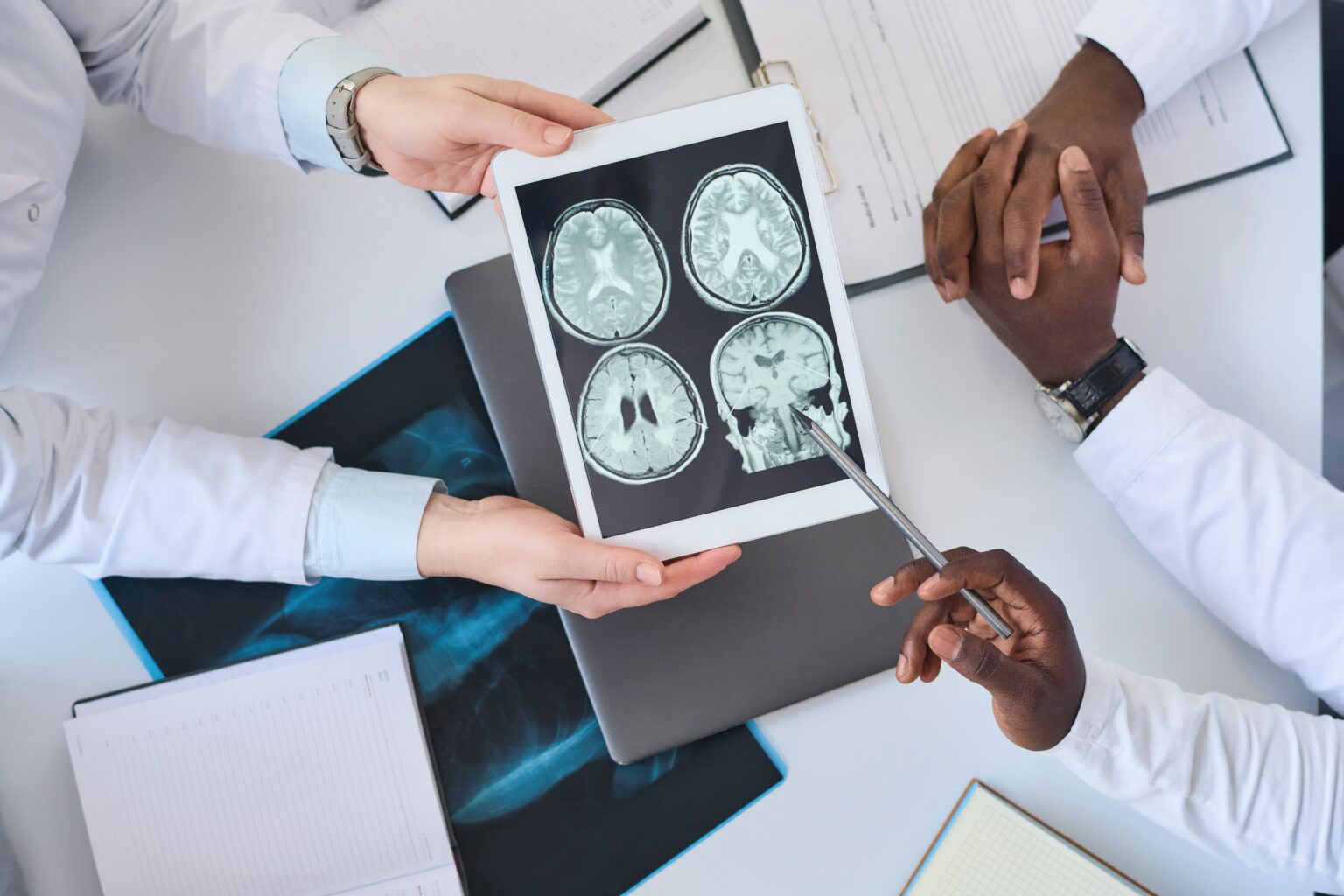
doctors examining brain tomography image in team 2026 01 08 00 15 14 utc

What is Neurovascular Surgery?

Neurovascular surgery is a subspecialty of neurosurgery that focuses on conditions affecting the blood vessels within the brain, spinal cord, and surrounding structures. These blood vessels supply oxygen and nutrients to neural tissue whilst removing waste products.

The term “neurovascular” combines “neuro” (relating to the nervous system) and “vascular” (relating to blood vessels). Surgeons who perform neurovascular surgery are trained in both open microsurgical techniques (operations performed with microscopes to work on small structures) and endovascular approaches (catheter-based procedures in which a thin tube is guided through blood vessels).

Neurovascular surgery can be used to manage several conditions, including:

  • Cerebral aneurysms: Balloon-like bulges in brain arteries that may carry a risk of rupture
  • Arteriovenous malformations (AVMs): Tangled connections between arteries and veins that can affect normal blood flow
  • Cavernous malformations: Clusters of abnormal blood vessels within the brain
  • Dural arteriovenous fistulas: Abnormal connections in the dura, the protective covering of the brain
  • Stroke: Both ischaemic (caused by blocked vessels) and haemorrhagic (caused by bleeding) types
  • Moyamoya disease: Progressive narrowing of brain arteries

Neurovascular surgery is performed to manage these conditions, address risks such as bleeding, and aim to preserve neurological function (the ability of the brain and nervous system to work normally). Our neurosurgeon can explain which treatment approaches may be suitable for your specific situation, based on the condition, its location, and overall health.
Ideal Candidates

Not all individuals with a neurovascular condition require surgery. The decision depends on careful assessment of several factors. People who may be considered suitable candidates often include those who:
<

  • Have an unruptured aneurysm that carries a significant risk of rupture based on size, location, or shape
  • Have experienced a ruptured aneurysm requiring urgent treatment
  • Present with symptomatic AVMs causing headaches, seizures, or neurological changes (such as weakness, numbness, or difficulty speaking)
  • Are within the treatment window for mechanical thrombectomy (a procedure to remove blood clots from large arteries in the brain) following an acute ischaemic stroke
  • Exhibit progressive neurological symptoms from conditions such as moyamoya disease
  • Are in overall health that permits anaesthesia and surgical procedures
  • Have conditions located in areas that are surgically accessible
  • Are able and willing to follow pre-operative preparation and post-operative care instructions

Age alone does not determine suitability. Our neurosurgeon will evaluate each case individually, considering the condition, risk factors, and overall health to determine whether surgical intervention is appropriate.

Contraindications

Certain factors may limit or delay neurovascular surgery. These can include:

  • Significant medical comorbidities (the presence of two or more health conditions or diseases in the same person at the same time) that increase surgical risk
  • Active infections, either systemic or near the intended surgical site
  • Bleeding disorders or issues with safely managing anticoagulants (blood-thinning medications)
  • Small, incidentally detected aneurysms in older patients, where observation may be preferred
  • Extensive brain injury from prior stroke that may limit potential benefits
  • Patient preference to pursue non-surgical management after informed discussion
  • Pregnancy, which may require modified treatment approaches
  • Medication interactions that cannot be safely managed during surgery

A comprehensive assessment by a qualified neurosurgeon is essential. This typically involves detailed imaging (such as CT or MRI scans), medical history review, and sometimes multidisciplinary consultation to weigh the risks and potential benefits of surgery compared with observation or alternative treatments.

Neurovascular Surgery Techniques & Approaches

Modern neurovascular surgery generally involves two main approaches: open microsurgery and endovascular intervention. Many neurovascular surgeons are trained in both techniques, allowing them to recommend an approach based on each patient’s condition, anatomy, and overall health.

Open Microsurgical Techniques

Open microsurgery involves creating a surgical opening in the skull (craniotomy) to directly access and treat the affected blood vessels. This approach has been refined over decades and remains an established option for managing many neurovascular conditions.

Aneurysm Clipping: In this procedure, a small titanium clip is placed across the neck of an aneurysm, excluding it from circulation while preserving the normal parent artery. This technique is associated with durable, long-term results and allows direct visualisation of the aneurysm and surrounding vessels.

Arteriovenous Malformations Resection: AVMs may be surgically removed by carefully disconnecting feeding arteries, removing the abnormal tangles of vessels, and managing draining veins. The goal of this is the complete elimination of the malformation, where appropriate.

Extracranial-Intracranial (EC-IC) Bypass Surgery: For conditions like moyamoya disease or complex aneurysms, surgeons may create new pathways for blood flow by connecting scalp arteries to brain arteries. This helps restore circulation to areas with compromised blood supply.

Endovascular Techniques

Endovascular neurosurgery treats brain vessels from within the blood vessel itself. Thin, flexible catheters are inserted into an artery, usually through the groin or wrist, and guided to the treatment site using real-time X-ray imaging (fluoroscopy).

  • Coiling: Soft platinum coils are packed into an aneurysm to promote clot formation within it, helping to reduce the risk of rupture. This method avoids the need for open surgery.
  • Flow Diversion: Mesh stents redirect blood flow away from an aneurysm, encouraging gradual thrombosis (blood clotting) and healing of the vessel wall. This approach may be considered for wide-necked or complex aneurysms.
  • Mechanical Thrombectomy: For selected cases of acute ischaemic stroke, specialised devices may be used to remove blood clots from blocked brain arteries. Restoring blood flow promptly can help limit neurological damage.
  • Embolisation: Specific materials are introduced to deliberately block abnormal blood vessels, reducing blood flow to AVMs or fistulas (passages between a hollow or tubular organ). This technique may be used on its own or as part of a staged treatment plan.
Technology & Equipment Used

Modern neurovascular surgery uses specialised technology to support precision and safety during procedures:

  • Operating microscopes provide high magnification and illumination for microsurgery
  • Intraoperative angiography performed in hybrid operating suites to visualise blood vessels during surgery
  • Neuronavigation systems integrate pre-operative imaging and guide surgical planning and execution with greater accuracy
  • Intraoperative neurophysiological monitoring allows continuous assessment of nerve and brain function throughout the procedure, helping to reduce the risk of neurological injury
  • Indocyanine green (ICG) videoangiography is a dye-based imaging technique that enables real-time assessment of blood flow
  • Biplane fluoroscopy provides X-ray imaging from two angles simultaneously for detailed vessel visualisation during endovascular procedures

Wondering which approach is right for you?

Choosing an appropriate approach depends on individual factors. Our Senior Consultant Neurosurgeon can evaluate your condition through detailed imaging and assessment, and discuss suitable options for your situation.

The Neurovascular Surgery Process

Understanding what happens before, during, and after neurovascular surgery can help patients feel more prepared for their treatment journey.

Pre-Treatment Preparation

Preparation is an important part of neurovascular surgery and usually begins with:

Diagnostic Imaging: Patients may undergo imaging studies such as CT angiography (CTA), MR angiography (MRA), or conventional catheter angiography (imaging tests that use X-rays and contrast dye to visualise blood vessels). These tests use advanced imaging and contrast dye to create detailed views of the blood vessels, allowing the surgeon to assess the location, size, and surrounding structures of the condition accurately.

Medical Evaluation: A comprehensive medical evaluation is also performed. This includes a review of medical history, current medications, and known allergies. Blood tests are carried out to assess clotting function, kidney function, and overall fitness for surgery. Patients with underlying heart conditions may require additional cardiac evaluation before proceeding.

Medication Adjustments: Medication management is an important aspect of preparation. Blood-thinning medications, including warfarin, aspirin, or newer anticoagulants, may need to be adjusted before surgery. Our neurosurgeon will provide specific instructions based on the patient’s medication regimen and the planned procedure.

Pre-operative Instructions: You will receive guidelines about:

  • Fasting (typically avoiding food and drinks after midnight before surgery
  • Showering with antiseptic soap prior to the procedure
  • Arranging transportation and post-operative support
During the Procedure
  • For Open Microsurgery: For open microsurgical procedures, patients are placed under general anaesthesia. Careful positioning and continuous monitoring are used to support safety throughout the operation. After a precisely planned opening is made in the skull, the surgeon uses an operating microscope to access the affected blood vessels.
    Depending on the condition, this may involve aneurysm clipping, AVM resection, or bypass surgery. Blood flow and neurological function are monitored throughout the procedure. Once treatment is completed, the bone flap is secured in place, and the scalp is closed in layers. Open microsurgical procedures may take several hours, depending on complexity.
  • For Endovascular Procedures: Patients may receive general anaesthesia or conscious sedation (medications that make you relaxed and drowsy, while still allowing you to respond to cues), depending on the nature of the treatment. A small puncture is made in an artery, usually at the groin or wrist. Using real-time X-ray guidance, the surgeon advances thin catheters through the blood vessels to reach the treatment area in the brain. Treatment is delivered through these catheters and may include the placement of coils, stents, or thrombectomy (clot-retrieval) devices. Contrast dye is used during the procedure to monitor blood flow and treatment progress. Endovascular procedures also typically take several hours.
Immediate Post-Treatment

After the procedure, patients are transferred to an intensive care unit (ICU) or high-dependency unit for close observation. This period allows the care team to monitor neurological function and manage any early complications.

Recovery & Aftercare

Recovery from neurovascular surgery is gradual and requires adherence to post-operative instructions.

First Hours The initial post-operative period focuses on close monitoring and stabilisation:

  • Continuous monitoring in the ICU or high-dependency unit- Frequent neurological assessments to detect any changes promptly
  • Adjustment of blood pressure medications as needed
  • Pain management with prescribed medications; communicate discomfort to the healthcare team- Presence of a urinary catheter and intravenous lines for fluids and medications
  • Gradual introduction of a light diet as tolerated
  • Warning Signs: Contact your healthcare team immediately if you experience sudden severe headache, vision changes, weakness or numbness on one side, difficulty speaking, or seizures.
 

First Week

During the transition from intensive monitoring to ward care:

  • Gradual increase in activity under supervision
  • Removal of drains, catheters, and IV lines as appropriate
  • Transition from injectable to oral pain medications
  • Wound care instructions for craniotomy incisions
  • Guidance on medications, activity restrictions, and follow-up appointments
  • Home Preparation: Arrange assistance at home, especially in the initial recovery period. Avoid driving, heavy lifting, and strenuous activities.


Hospital stay duration varies; some patients may require extended hospitalisation or transfer to specialised care.

Long-Term Recovery Complete recovery timelines vary depending on procedure type, pre-operative condition, and individual healing.

Timeline Expectations:

  • Recovery timelines differ by individual and procedure type
  • Our surgeon will provide guidance specific to your situation
  • Follow-up Care: Scheduled appointments with the neurosurgeon are arranged to monitor recovery and assess treatment outcomes. Follow-up imaging studies, such as angiography, MRA, or CTA scans, are typically performed at planned intervals to confirm the stability and durability of treatment.
  • Lifestyle Modifications: Ongoing measures such as blood pressure management, smoking cessation, and healthy lifestyle practices may be advised to help reduce future neurovascular risks and support long-term brain and vascular health.

Our neurosurgeon provides post-procedure support throughout your recovery.

Schedule a consultation to discuss what to expect throughout your treatment journey and recovery process.

Potential Benefits of Neurovascular Surgery

When appropriately indicated, neurovascular surgery may offer several benefits for patients with cerebrovascular conditions:

  • Prevention of catastrophic bleeding

    Treatment of aneurysms and AVMs aims to eliminate or substantially reduce the risk of life-threatening haemorrhage.

  • Stroke prevention

    Management of unruptured aneurysms, stenotic (narrowed) blood vessels, or moyamoya disease may help reduce the risk of future strokes.

  • Stroke reversal (in selected cases)

    Mechanical thrombectomy may restore blood flow during acute ischaemic stroke, potentially improving neurological outcomes.

  • Symptom relief or control

    Treatment may help reduce headaches, seizures, or neurological symptoms associated with neurovascular lesions. Certain interventions, such as microsurgical clipping or complete AVM resection, are designed to provide lasting treatment outcomes.

  • Preserved neurological function

    Modern techniques prioritise protection of brain tissue and aim to minimise the risk of new neurological deficits.

Clinical outcomes vary depending on the underlying condition, overall health status, and treatment approach. Our neurosurgeon will provide guidance based on individual assessment and imaging findings.

Common Side Effects

These effects are generally temporary and manageable:

  • Headache: Common after craniotomy and typically responsive to standard pain medication, with gradual improvement over time.
  • Fatigue: Post-operative tiredness is expected and usually resolves as recovery progresses.
  • Scalp numbness: Temporary numbness around the incision site may occur and often improves gradually.
  • Nausea: Nausea related to anaesthesia is usually short-lived and treatable.
  • Bruising at access sites: Bruising at the groin or wrist following endovascular procedures is common and resolves over time.
  • Mild cognitive changes: Temporary difficulties with concentration or memory may be observed and typically improve during recovery.

All surgical procedures carry inherent risks. Understanding these risks supports informed decision-making and early recognition of potential complications.

Specific Neurological Risks

Although uncommon, serious complications may occur. Awareness of these risks allows timely monitoring and management:

  • Stroke: Procedures involving brain blood vessels carry a risk of stroke, which may result in weakness, speech difficulties, or other neurological deficits.
  • Bleeding: Intraoperative or post-operative bleeding may require additional medical or surgical intervention.
  • Infection: Wound infections or meningitis (inflammation of the protective membranes covering the brain and spinal cord) are rare but require prompt treatment.
  • Blood clots: Deep vein thrombosis (the formation of a blood clot in a large vein located deep inside the body, most often in the leg) or pulmonary embolism ( a blood clot that gets stuck in an artery in your lung) may occur, particularly with prolonged immobility.
  • Aneurysm recurrence: Some treated aneurysms may recur over time and require further assessment or treatment.
  • Vessel injury: Injury to blood vessels during catheter-based procedures may occur in rare cases.
  • Allergic reactions: Reactions to contrast dye or medications are uncommon and are usually preventable or manageable.

Risk reduction involves careful patient selection, detailed pre-operative planning, meticulous surgical technique, and close post-operative monitoring. Management by an experienced neurovascular surgeon supports procedural safety and clinical outcomes.

Cost Considerations

The cost of neurovascular surgery in Singapore varies based on several factors:

  • Type of procedure: Endovascular interventions and open microsurgical procedures differ in technique, duration, and resource requirements, which may influence overall costs. Items such as coils, stents, flow diverters, or other specialised implants can contribute significantly to treatment costs.
  • Complexity of the condition: Larger aneurysms, multiple lesions, or anatomically complex locations may require longer operating times and additional specialised resources.
  • Hospital stay duration: Time spent in the intensive care unit and total length of hospitalisation affect overall charges.
  • Imaging tests: Pre-operative and post-operative imaging studies form part of the overall cost.

A detailed cost estimate is usually provided after clinical assessment, based on the specific condition and the recommended treatment approach.

ask us anything

Frequently Asked Questions

How do I know if I need neurovascular surgery versus observation?

The decision between surgery and observation depends on multiple factors, including the type, size, and location of your condition, your age and overall health, and the presence or absence of symptoms. For example, small unruptured aneurysms in elderly patients may be managed with careful observation and regular monitoring, whilst larger aneurysms in younger patients may warrant treatment. Our neurosurgeon will review your imaging, medical history, and personal circumstances to provide a recommendation tailored to your specific situation. Some conditions, such as ruptured aneurysms, require urgent or emergency treatment.

What is the difference between open surgery and endovascular treatment?

Open microsurgery involves a craniotomy to directly access and treat affected blood vessels. Endovascular treatment uses thin, flexible catheters that are navigated through the blood vessels to reach the brain without opening the skull.

Each approach has different characteristics. Open surgery allows direct visualisation and can offer durable results in selected areas, but it often involves a longer recovery period. Endovascular treatment generally involves shorter hospital stays and quicker recovery, although some conditions may require closer long-term surveillance. Our neurosurgeon has experience in both techniques and can recommend the approach suited to your individual condition.

How long will I be in the hospital after neurovascular surgery?

The length of hospital stay varies depending on the procedure performed and your recovery progress. After uncomplicated endovascular procedures, some patients may be discharged within a few days. Open microsurgical procedures typically require a longer hospitalisation. Emergency treatments for ruptured aneurysms or stroke may involve extended stays due to the severity of the underlying condition. Complications can also affect the duration of hospitalisation. Our surgeon can provide a more specific estimate based on your planned treatment and clinical progress.

When can I return to work after neurovascular surgery?

Return to work depends on the type of procedure, the physical demands of your job, and your individual recovery. Some patients who undergo uncomplicated endovascular procedures and have office-based jobs may be able to return to work within a few weeks. Those who have physically demanding jobs or undergo open surgery often require a longer recovery period before resuming full duties. A gradual return to work, such as reduced hours or modified responsibilities, may be recommended. Recovery timelines vary widely, and these timeframes are general estimates rather than guarantees. Our surgeon will provide guidance tailored to your progress during follow-up visits.

Will I need follow-up imaging after treatment?

Yes, follow-up imaging is an important part of ongoing neurovascular care. The imaging schedule varies depending on the condition treated and the type of procedure performed. After aneurysm coiling, imaging is typically carried out at regular intervals to monitor for recurrence. After aneurysm clipping or AVM resection, imaging is used to confirm complete treatment and may then be performed periodically.

These studies often involve MR angiography or CT angiography, although catheter angiography may be required in certain situations. Adhering to the recommended follow-up schedule helps detect recurrence or new issues early.

Are there lifestyle changes I should make after neurovascular surgery?

Maintaining a healthy lifestyle can support recovery and help reduce future neurovascular risks. Common recommendations include:

  • Controlling blood pressure through medication compliance and dietary modifications
  • Quitting smoking
  • Limiting alcohol consumption
  • Engaging in regular moderate exercise once cleared by your surgeon
  • Managing medical conditions like diabetes and high cholesterol
  • Attending all scheduled follow-up appointments

Always discuss lifestyle changes with our healthcare team to ensure they are appropriate for your recovery stage and individual health needs.

What happens if my aneurysm or AVM comes back after treatment?

Some neurovascular conditions can recur after treatment. Studies suggest that aneurysms treated with endovascular coiling may have higher recurrence rates than those treated with surgical clipping, which is why follow-up imaging is essential. If a recurrence is detected, our surgeon will review your specific circumstances to determine the most appropriate approach. Options may include continued observation with monitoring, repeat endovascular treatment, or open surgery, depending on factors such as the size and location of the recurrence and your overall health.

AVMs may recur if they are not completely treated initially. Our neurosurgeon can discuss the likelihood of recurrence for your specific condition and outline a surveillance plan to detect any issues early.

Conclusion

Neurovascular surgery provides treatment options for conditions affecting the blood vessels of the brain. These treatments may help reduce the risk of complications such as aneurysm rupture and support the restoration of blood flow in selected cases of acute stroke. Management is individualised, taking into account the specific diagnosis, clinical circumstances, and overall health of each patient. Both open microsurgical and endovascular approaches may be considered, depending on the condition and its complexity.

Understanding your diagnosis, available treatment options, and what to expect throughout the care journey can help you make informed decisions about your health. While neurovascular conditions can be serious, advances in imaging, surgical techniques, and perioperative care have contributed to improved outcomes for many patients.

Working with a neurosurgeon who is qualified in neurovascular surgery allows for a thorough evaluation and a treatment plan that is tailored to your individual needs and circumstances.

Ready to Take the Next Step?

If you have been diagnosed with a neurovascular condition or are experiencing concerning symptoms, our Senior Consultant Neurosurgeon can help you understand your diagnosis, explore appropriate management options, and develop an individualised care plan.

doctor desktop w alpha doctor mobile w alpha

Dr Teo Kejia (张哿佳医生)

MBBS (SG)MRCS (Edin)FAMSFRCS EdIFAANS

Dr Teo Kejia is a Senior Consultant Neurosurgeon and Medical Director at Precision Neurosurgery, with more than 15 years of clinical experience.

Dr Teo has extensive knowledge and experience in the field of neurosurgery, with a particular focus on complex brain tumour procedures. He is adept in employing advanced surgical techniques, including brain mapping and awake brain surgery, especially for treating gliomas and glioblastomas. His expertise extends to neuro-oncology, encompassing both brain and spinal tumours, as well as neurovascular and skull base surgery.

Additionally, Dr Teo offers treatment for a range of neurological conditions, such as traumatic head injuries, intracerebral aneurysms, and degenerative spine disorders, which include neck and back pain. He is also proficient in managing ischemic and haemorrhagic strokes, hydrocephalus, trigeminal neuralgia, and hemifacial spasm.

Make an Enquiry

Have a question or need more information? Please fill in the form below, and our team will assist you.

    Full Name*

    Email Address*

    Phone Number*

    Your Message*

    For Faster Response, Call us!

    +65‎ 6956‎ 6588


    Billing & insurance

    Corporate & Personal Insurance Plans

    For Singaporeans, Singapore Permanent Residents and Foreigners.
    Please speak to our friendly clinic staff about using your insurance plans.